
Last updated November 2, 2026
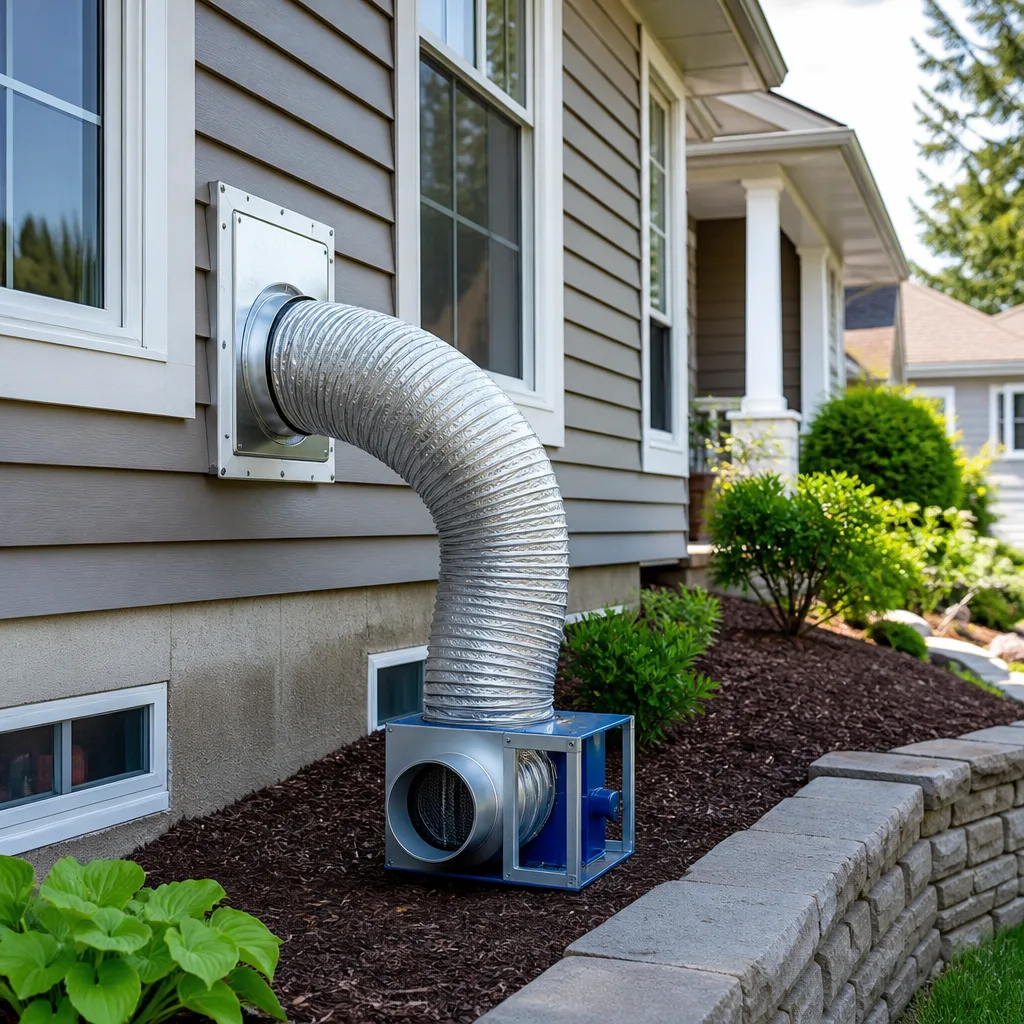 Whole-home duct cleaning
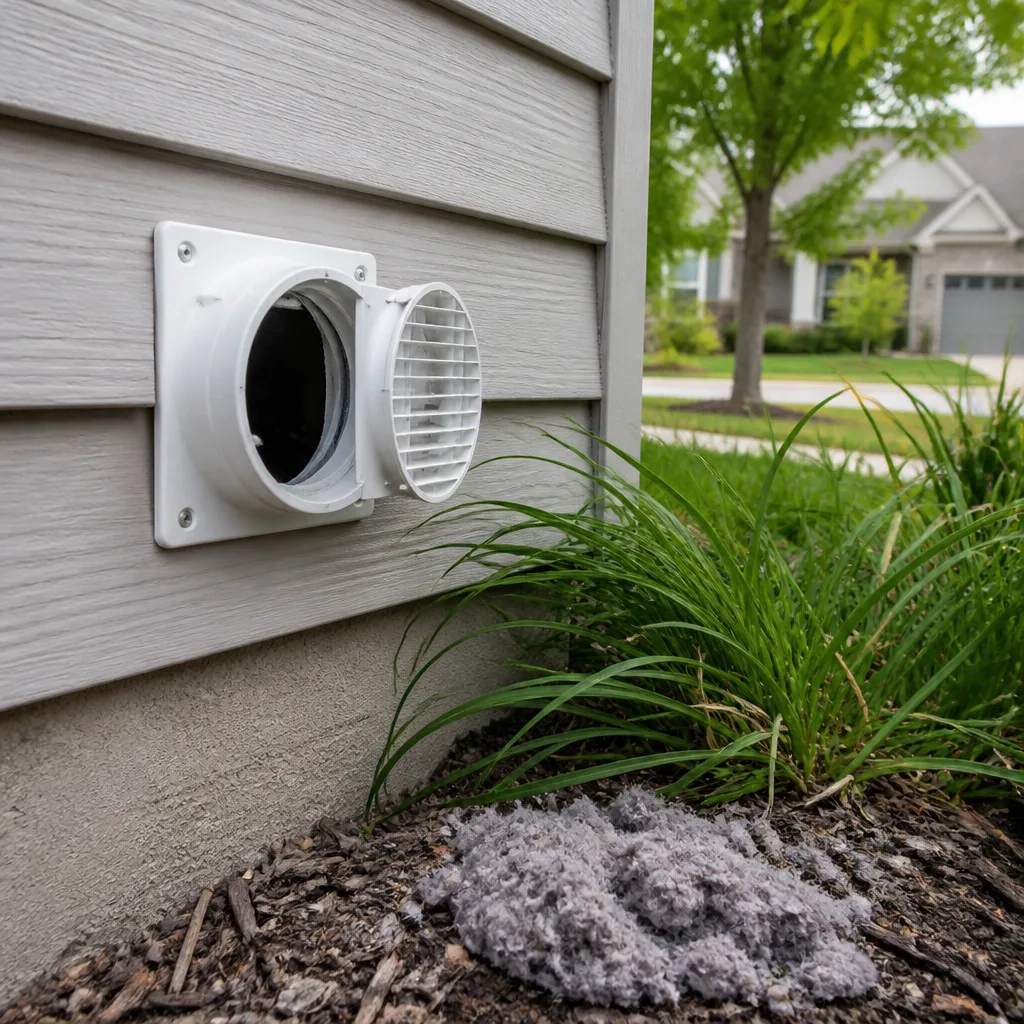 Dryer vent cleaning
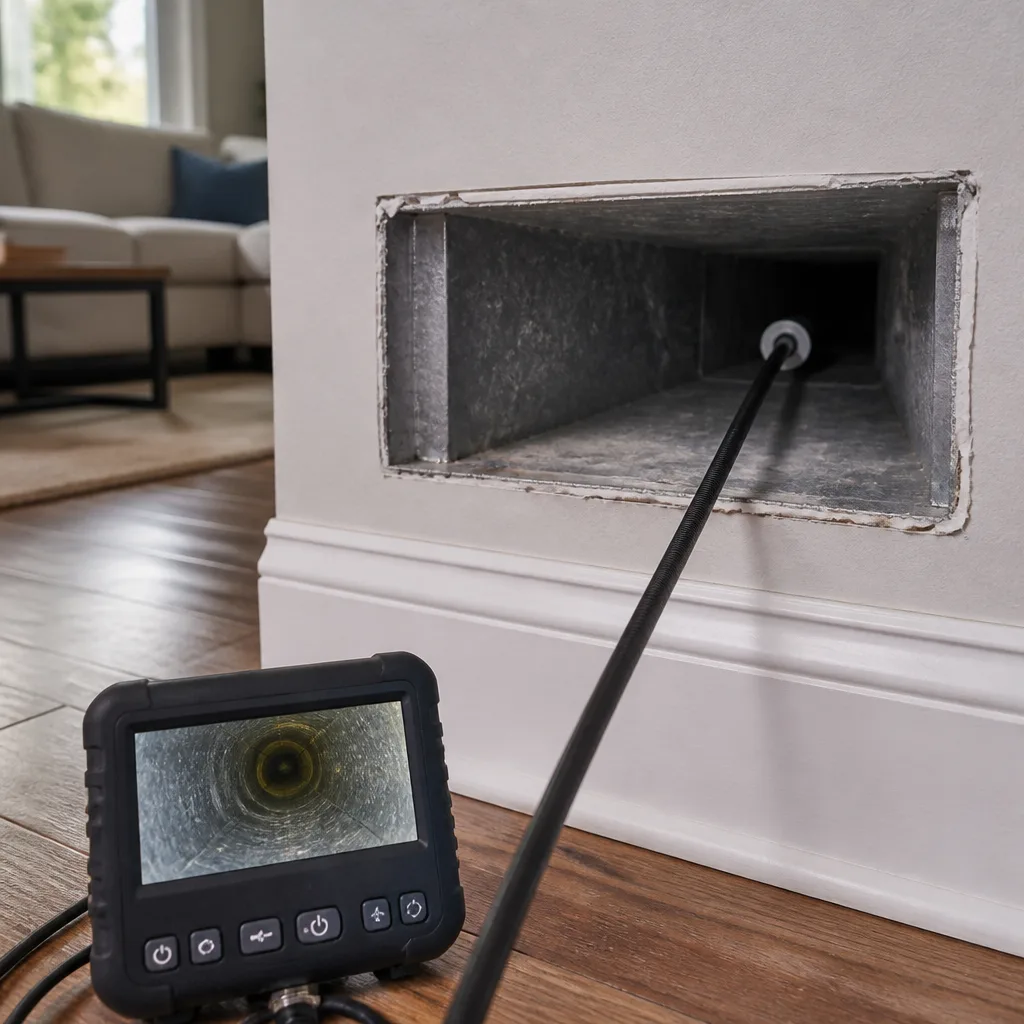 Camera inspection
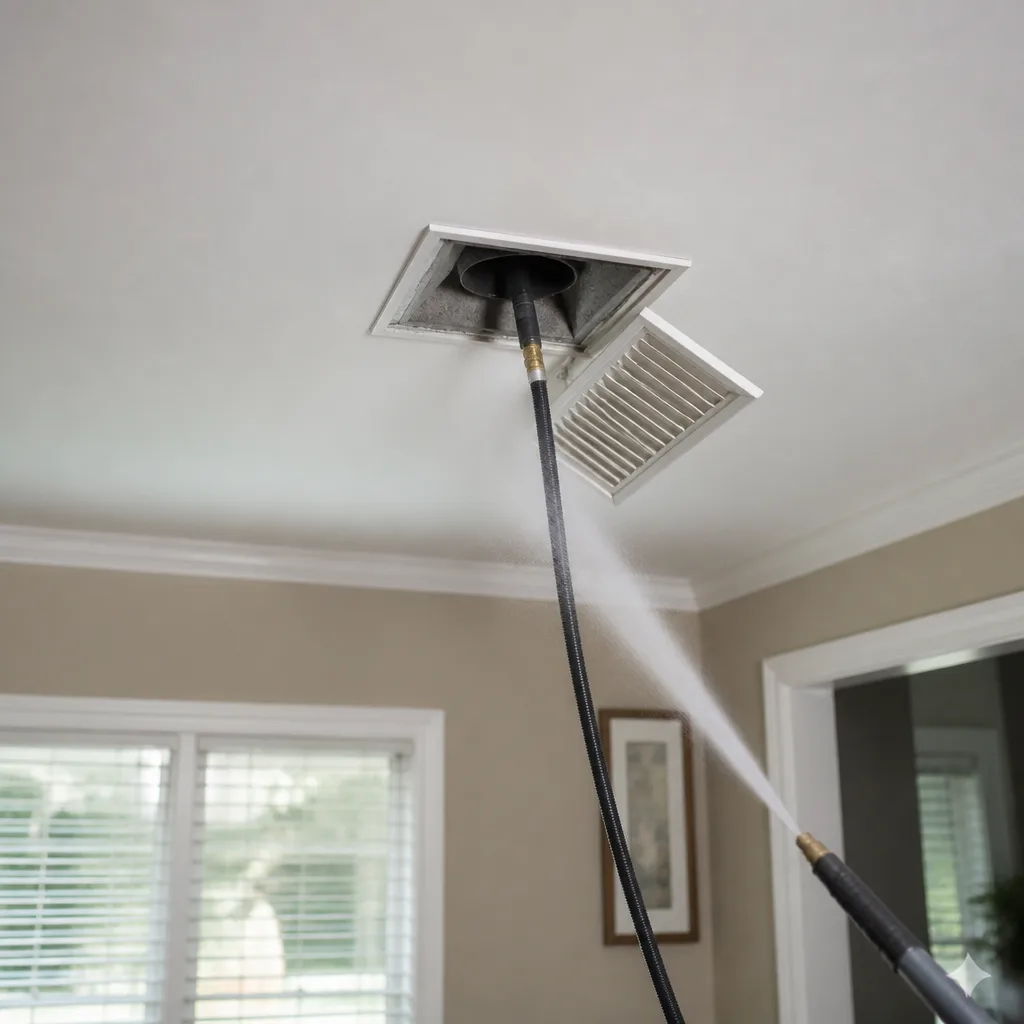 Sanitizing & deodorizing
Whole-system duct and dryer vent check with before-and-after photos - you see exactly what came out of your vents
That "$99 whole-house special" is a bait ad - the real number appears once they are in your hallway, or the "clean" is a shop-vac at the register. We photograph the inside of your ducts before and after instead.
DIY vs Professional Air Duct Cleaning: The Clovis Homeowner’s Decision Guide
Every piece of consumer duct cleaning equipment – the brush kits, the flexible rods, the shop vac attachments – is designed to agitate debris. None of it is designed to contain and extract it. That gap is where DIY duct cleaning actually makes air quality worse. In Clovis, where summer dust season runs from May through October and HVAC systems cycle constantly, the stakes are higher than most homeowners realize. This guide breaks down what you can safely do yourself, what requires professional Air Duct Cleaning services, and how to avoid spending money on tools that will leave your air dirtier than when you started.
Quick Answer
DIY air duct cleaning is safe and effective for exactly two tasks: cleaning visible supply registers and replacing HVAC filters. Everything beyond that – cleaning the actual duct runs, the return plenum, the supply trunk lines, or the blower compartment – requires negative-pressure containment equipment that no consumer tool can replicate. Attempting full-system cleaning with a shop vac and brush kit dislodges contaminants without capturing them, redistributing dust, mold spores, and allergens directly into your living space. For full-system work, professional equipment operating at 2,000 – 4,000 CFM of negative pressure is the only method that removes debris from the home rather than recirculating it.
Styles & brands we work with
- Whole-home duct cleaning
- Dryer vent cleaning
- Camera inspection
- Sanitizing & deodorizing
Table of Contents
- The Containment Problem: Why Agitation Without Capture Fails
- What Homeowners Can Legitimately Do Themselves
- What Professional Equipment Actually Does Differently
- The Cost Comparison That Actually Matters
- Clovis-Specific Factors: Climate, Dust, and HVAC Load
- The Narrow Legitimate DIY Window: Post-Renovation Register Cleaning
- How to Spot Damage Beyond Dirt
- Common Mistakes to Avoid
The Containment Problem: Why Agitation Without Capture Fails
The core issue with DIY duct cleaning is not the tools – it’s the physics. When you run a brush through a duct, you dislodge dust, debris, and whatever else has accumulated over years of operation. What happens next depends entirely on air pressure. Professional systems create negative pressure inside the ductwork, pulling air inward at 2,000 to 4,000 cubic feet per minute while the brush agitates debris. This means every particle that gets knocked loose is immediately drawn toward the vacuum collection system, not pushed outward into your home. A consumer shop vac pulls maybe 100 to 150 CFM through a small hose. That’s roughly 5% of what professional extraction equipment achieves.
The result of DIY agitation without proper containment is predictable and well-documented in our experience: dust that was settled and inert inside a duct becomes airborne and active. Particles that would have stayed put – stuck to duct walls by years of accumulated moisture and static buildup – get knocked loose and recirculated through the supply registers within minutes. In a Clovis home running the AC for 10 to 12 hours a day during peak summer, that redistribution happens fast. The air quality problem you were trying to solve just got worse, and you spent a Saturday doing it.
What’s Actually in Ductwork That You Can’t See
Ducts accumulate more than visible dust. In our work across Clovis, we consistently find the same categories of contaminants in residential systems. Dead skin cells and dust mite matter account for a large percentage of the fine particulate. Pollen from the Central Valley’s agricultural strip – almond, citrus, and cotton – works its way into return ducts during spring bloom. Construction dust from new-home developments in northeast Clovis settles into systems within the first year of occupancy. In some homes, rodent activity leaves dander and droppings in return plenums. And in systems with any history of moisture, mold spores can colonize duct surfaces. When you agitate these materials without negative-pressure capture, you’re aerosolizing a concentrated mixture of everything that’s been settling for years. The Air Duct Cleaning in Clovis work we do starts with containment precisely because of this dynamic.
What Homeowners Can Legitimately Do Themselves
You do not need a professional for everything related to your duct system. Two tasks are well within reach of any homeowner with basic tools and are genuinely effective. The first is cleaning visible supply registers and return grilles. The second is replacing your HVAC filter on schedule. Both are maintenance tasks that prevent larger problems and keep your system running efficiently between professional cleanings. Everything else is better left to equipment designed for full-system work.
Register and Grille Cleaning: A Step-by-Step
Supply registers – the metal or plastic vents in your floors, walls, or ceilings – collect visible dust and debris. Cleaning them takes about 15 minutes per register and requires nothing more than a screwdriver, a vacuum with a crevice tool, and warm soapy water. Here’s the process we recommend to Clovis homeowners:
- Turn the HVAC system off at the thermostat before removing any registers. Running the system with registers removed pulls unfiltered air through the duct ends.
- Unscrew the register from the wall or floor. Most use two flathead or Phillips screws.
- Take the register outside or to a utility sink. Rinse it with warm water and mild dish soap. Use a soft brush for stubborn buildup.
- Let it dry completely before reinstalling. Wet registers catch dust faster than dry ones.
- Use a vacuum with a crevice tool to remove loose debris from the visible duct opening – but do not insert the hose more than an inch or two past the floor or wall surface.
- Reinstall the register and turn the system back on.
That inch-or-two limit matters. Consumer vacuums do not have the reach, suction, or filtration to clean deeper duct runs. Inserting a shop vac hose deeper into a duct simply dislodges debris into the airstream. You may pull some dust out, but you’re pushing most of it further down the line or into the living space.
Filter Replacement: The Highest-Impact DIY Task
If you do nothing else yourself, replace your HVAC filter every 30 to 60 days during peak cooling season in Clovis. Summer here means the AC runs nearly continuously from June through September, and a clogged filter reduces airflow, strains the blower motor, and allows more particulate to bypass the filter entirely. The filter media choice matters too. For homes with pets, allergies, or anyone with respiratory sensitivity, MERV 11 to MERV 13 pleated filters strike a reasonable balance between filtration and airflow restriction. MERV 16 and HEPA-style filters can restrict airflow in systems not designed for them, which increases energy costs and stresses the blower.
We also service Honeywell and Aprilaire whole-home filtration systems, which change the math here. These systems use larger media cabinets that operate at lower static pressure and catch far more particulate than a 1-inch disposable filter. If your Clovis home has one of these installed, proper maintenance means understanding your specific media replacement schedule – and that’s one place where the system’s design, not the filter itself, dictates what you can do. Our team works with these systems regularly, integrating Duct Cleaning Clovis home service approach with the broader indoor air quality equipment already in your house.
What Professional Equipment Actually Does Differently
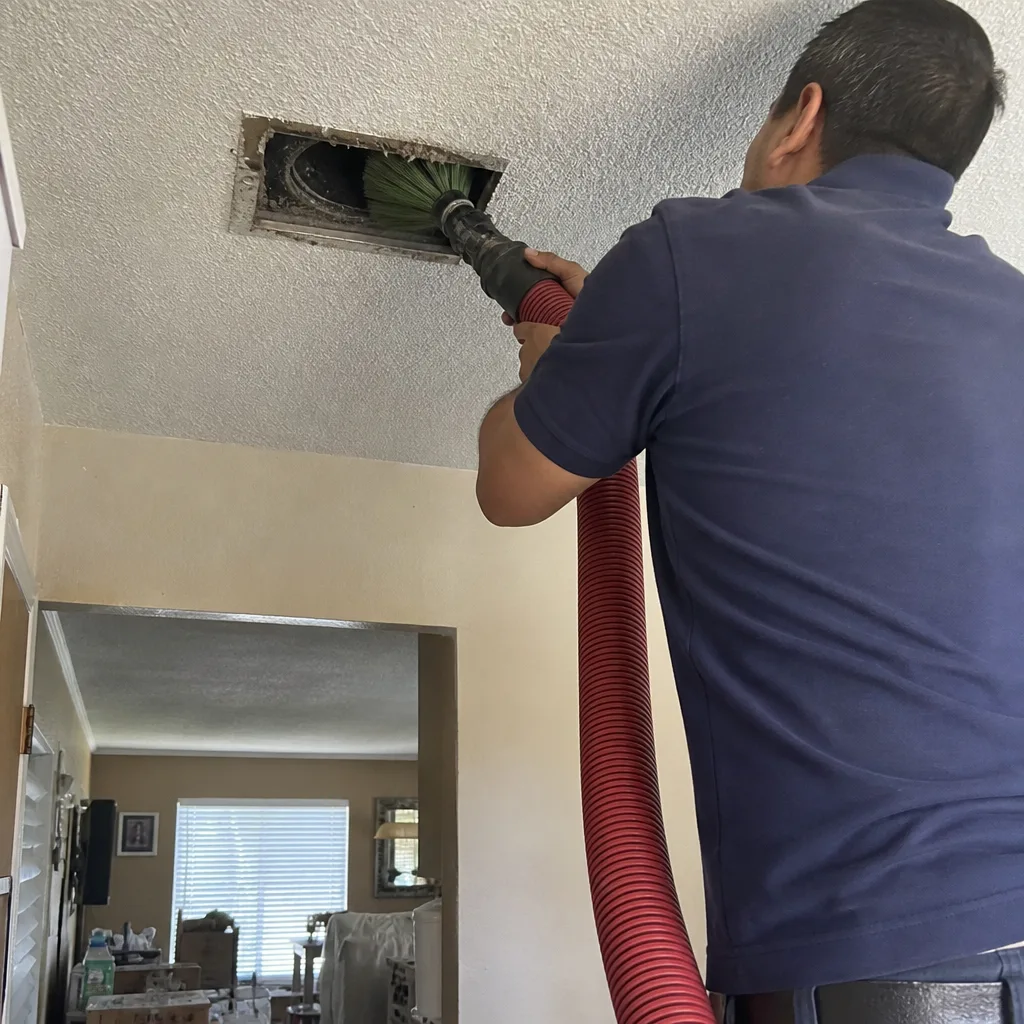
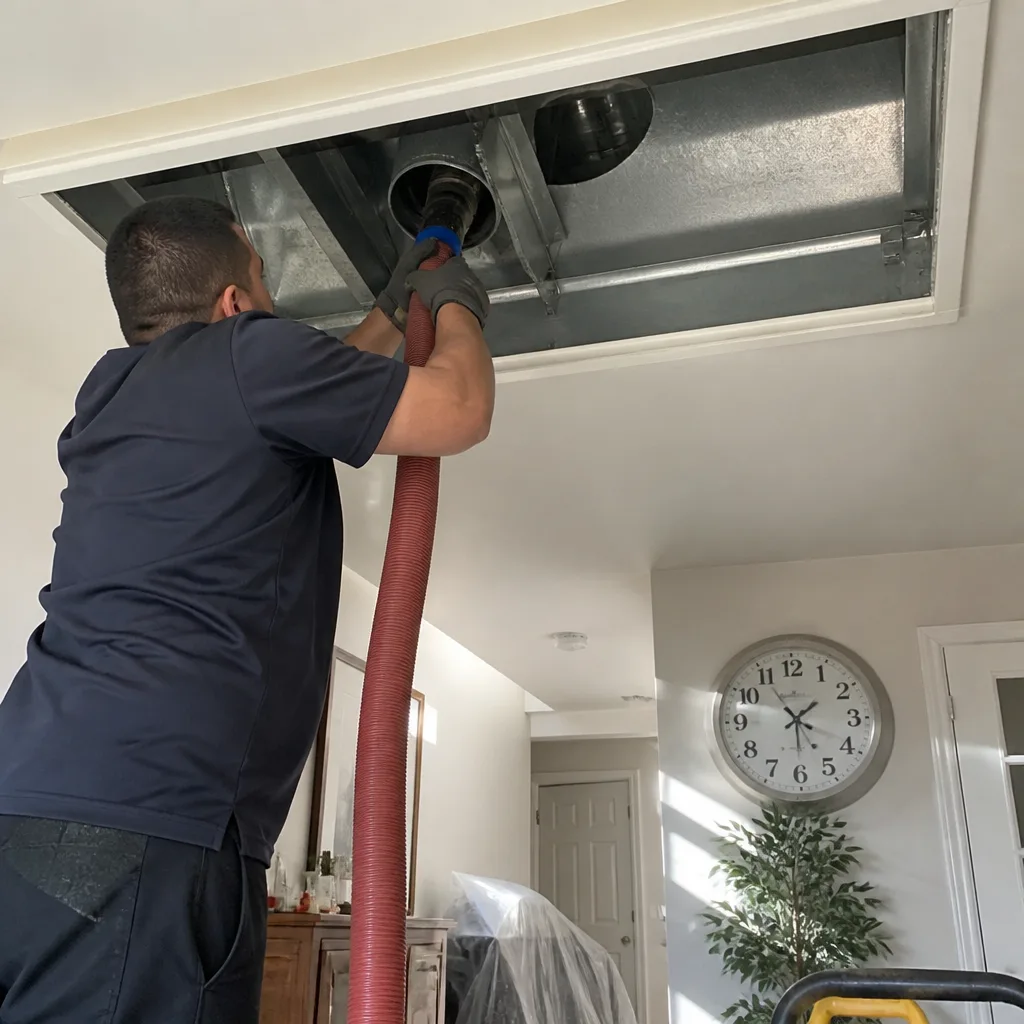
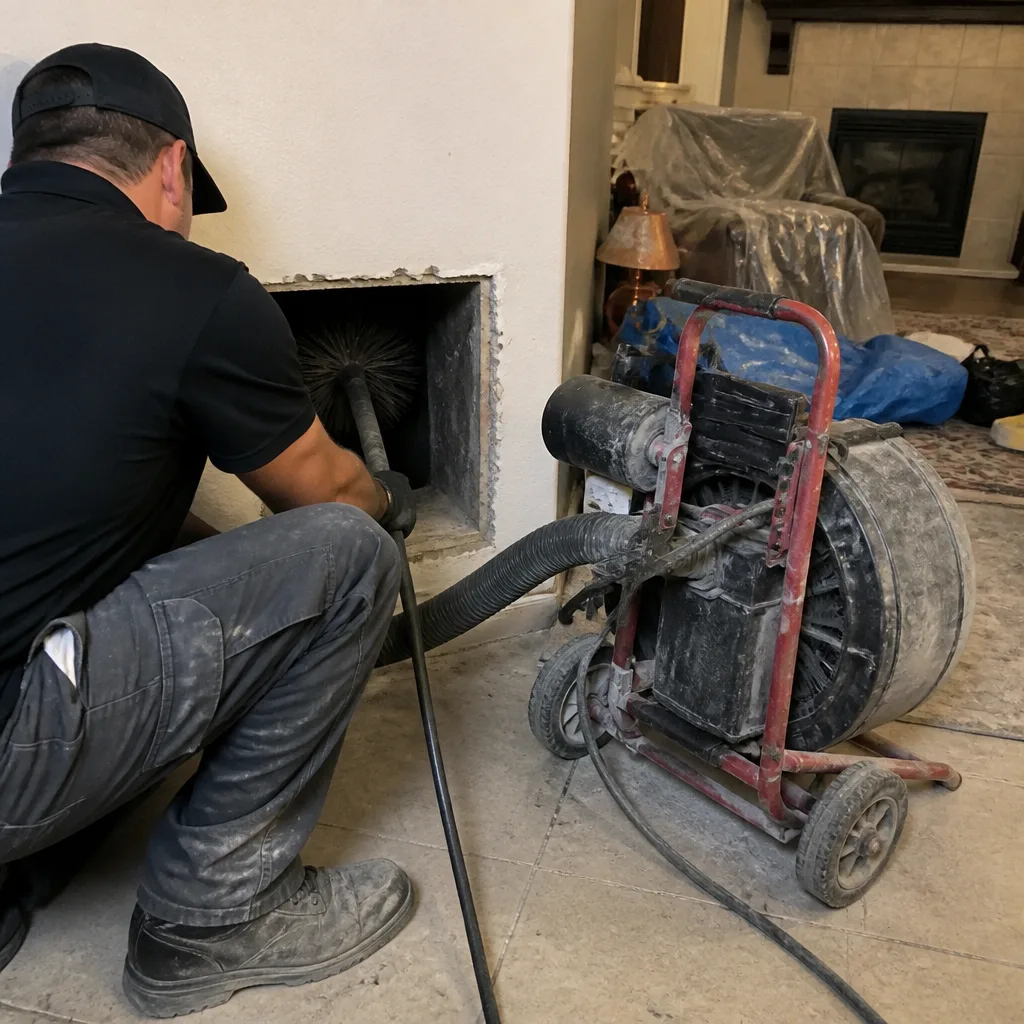
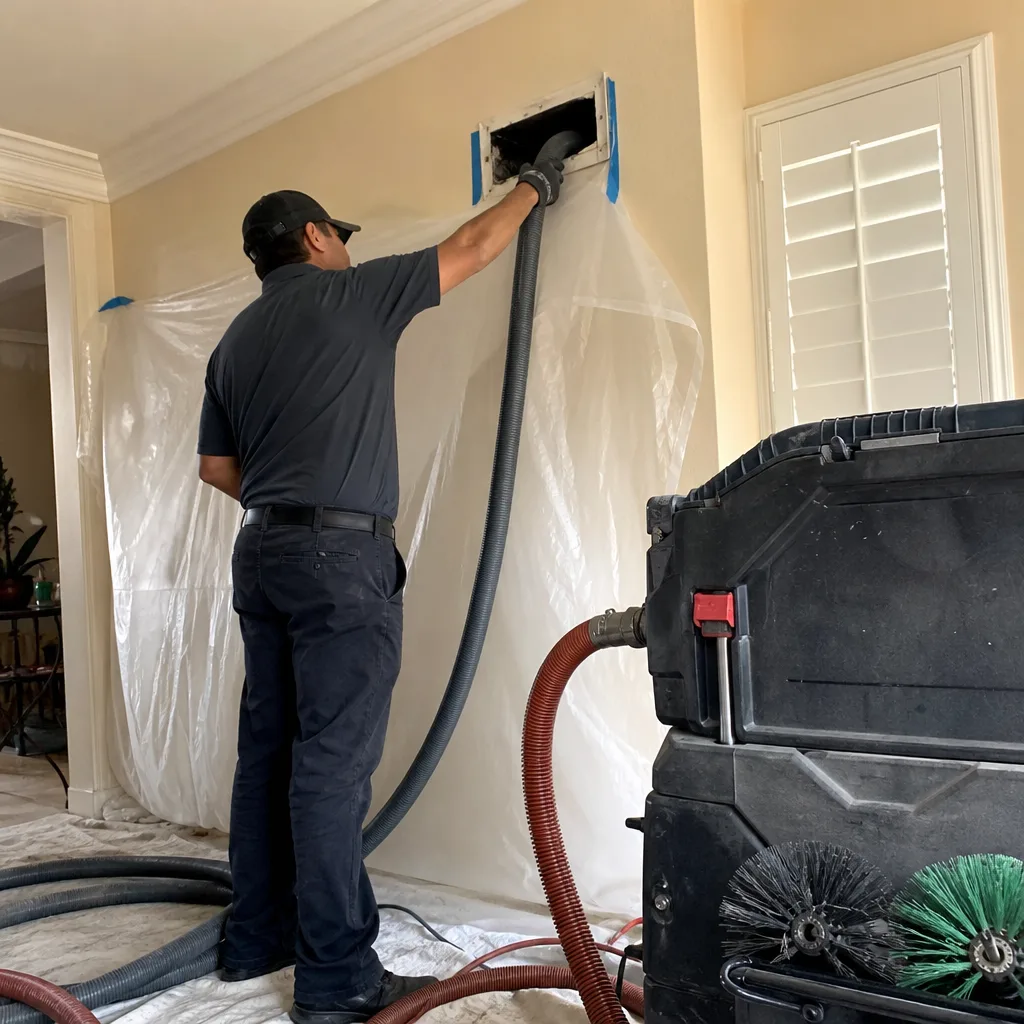
The difference between professional duct cleaning and a DIY attempt is not effort – it’s equipment. Professional systems used in residential work, including the Rotobrush and Nikro systems we run, combine brush-contact agitation with high-flow negative air pressure to extract debris from the entire duct run. The brush component physically breaks the bond between debris and duct walls. The vacuum component captures the debris at the point of agitation and removes it from the home entirely. These are the same professional-grade tools used in remediation and restoration work nationwide – the same equipment class you’d see on a water damage or mold remediation job, not a beefed-up household vacuum.
The Numbers: Professional CFM vs. Consumer CFM
Let’s put the numbers side by side. A consumer shop vac operates at roughly 100 to 150 CFM through a 1.5-inch hose with a static pressure drop that increases as the hose extends. A professional duct cleaning system operates at 2,000 to 4,000 CFM through an 8-inch or larger extraction hose connected directly to the duct system. That’s a 15 to 30 times difference in airflow capacity. The practical effect: a shop vac can pull loose dust from the first few feet of a duct run. A professional system creates enough negative pressure to pull debris from the entire supply side, the return side, and the plenum compartments. The physics of why this matters for air quality in your living space is straightforward. More airflow means more debris captured and less debris escaping into the home.
The Filtration Standard
Another critical difference sits inside the vacuum unit itself. Professional extraction equipment runs HEPA-filtered exhaust – the Nikro systems we operate are built around this standard. That means the air exhausting from the vacuum during cleaning is filtered to 99.97% of particles at 0.3 microns. A consumer shop vac with a standard cartridge filter exhausts unfiltered or minimally filtered air directly into your home. If you’re running a shop vac inside the living space while cleaning ducts, you’re effectively aerosolizing fine particulate from the vacuum exhaust. The HEPA standard exists precisely because remediation work demands that what leaves the system is cleaner than what entered it. Abatement Technologies equipment – which appears in our tooling lineup – was developed for contamination remediation environments, not residential convenience cleaning. That distinction is not marketing language. It’s a capability difference with measurable air quality outcomes.
The Cost Comparison That Actually Matters
Homeowners evaluating DIY vs. professional duct cleaning typically compare two numbers: the cost of a brush kit and a shop vac attachment against the cost of a professional cleaning. That comparison misses the real financial risk entirely. The cost that matters is what professional remediation costs when DIY agitation goes wrong. If a contained mold colony in a return plenum gets disturbed and distributed through the supply ducts, the cleanup is no longer a duct cleaning – it’s a contamination remediation project, often involving antimicrobial treatment, possible duct replacement, and specialized air quality testing. That’s a multiple-thousand-dollar difference. The brush kit cost is irrelevant next to it.
Let’s be concrete. A homeowner in Clovis can buy a DIY duct cleaning kit for $30 to $80 at any hardware store. A professional full-system cleaning for a typical 2,000-square-foot home runs several hundred dollars depending on system size, number of returns, and condition. The remediation scenario – mold distributed through the system by improper agitation – can run $3,000 to $8,000 depending on severity. The savings you capture with the DIY kit evaporates instantly if the wrong material gets disturbed. And in our experience with Air Duct Repair in Clovis clients, the discovery that DIY agitation damaged flexible duct connections or separated a plywood return pan is a recurring theme.
When DIY Duct Cleaning Causes Damage
Brush kits and flexible rods are not precision tools. Run them aggressively through a duct system and you can break seals, disconnect sections of flex duct, puncture insulated ducting, or damage internal dampers. Flex duct in particular disconnects or tears more easily than most homeowners expect. The repair for a torn flex run or a broken damper costs more than the professional cleaning would have. And the damage often goes unnoticed until the system’s performance drops noticeably – higher energy bills, weaker airflow in certain rooms, or increased dust accumulation in one zone of the house.
The tools sold for DIY work are not the problem. The problem is the context they’re used in. Ducts are not open-ended pipes. They’re sealed systems designed to deliver conditioned air with minimal leakage. Anything you push through them without the proper seal, suction, and filtration components risks the system’s integrity. Professional equipment includes access ports, high-volume extraction, and the experience to know how much mechanical agitation a given duct material can handle. That judgment is not something a product listing can provide.
Clovis-Specific Factors: Climate, Dust, and HVAC Load
Clovis has a particular set of conditions that shape how duct systems get dirty and how often they need attention. The city sits in the San Joaquin Valley, where summer temperatures routinely exceed 100 degrees and air conditioning runs from late May through early October. That creates two compounding effects. First, HVAC systems cycle more heavily than in coastal California, which means more air volume passes through the ducts and more particulate deposits over time. Second, the dry heat during summer alternates with winter moisture events, creating cycles where dust and debris in ducts shift between dry, loose particles and caked, adhered buildup.
The agricultural corridor surrounding Clovis adds another layer. Almond harvest in August, cotton in the fall, and the general dust of farming operations all contribute airborne particulate that enters return ducts and settles in the system. New-home construction in the city’s northern and eastern development areas adds construction dust to the equation for newer homes. A five-year-old system in Clovis can look like a ten-year-old system in a climate with less agricultural activity and more consistent humidity. That’s not a sales pitch – it’s a measurable difference that affects the frequency of professional cleaning needed.
Energy Cost Implications
Dirty duct systems cost money in Clovis specifically because the cooling load here is so high. A system running at reduced airflow due to buildup in the coil, the blower, or the supply runs has to work harder to move the same volume of conditioned air. The result is higher energy consumption per degree of cooling. The California Central Valley’s summer electricity rates make that inefficiency even more expensive than in other parts of the country. Cleaning alone won’t fix a mechanical system problem – but a professional cleaning that removes airflow-restricting buildup can meaningfully reduce the energy cost of running your AC through the hottest months. That’s a concrete, measurable outcome tied directly to the local climate and energy market, not a generic claim about home comfort.
The Narrow Legitimate DIY Window: Post-Renovation Register Cleaning
There is one scenario where DIY duct cleaning makes sense: single-room register cleaning after a renovation, done with proper isolation. If you’ve sanded drywall, cut tile, or done any construction work in a single room, the supply and return registers in that room will have visible construction dust at the openings. This dust is surface-level, localized, and can be safely removed with a household vacuum if you follow a specific protocol. Here’s the exact method we describe to clients who call us after renovations and want to know if they can handle the immediate post-construction dust themselves:
- Turn off the HVAC system at the thermostat before starting.
- Close the door to the room and open a window if possible. This limits the dust that escapes during cleaning.
- Tape plastic sheeting over the door opening to create a basic isolation zone if the renovation generated heavy dust.
- Remove the register covers in the affected room and wash them as described in the earlier section.
- Use a vacuum with a HEPA-rated filter to remove visible dust from the register openings. Insert the hose no more than 2 inches into the duct opening.
- Replace the register covers and run the system on fan-only mode for 20 minutes with a clean filter installed to clear any remaining airborne particulate.
The limits of this protocol are clear. It addresses surface dust at register openings in a single contained room. It does not address the duct runs themselves, the return plenum, the supply trunk, or the blower compartment. If the renovation generated enough dust that it’s visible inside the duct beyond the register opening, that’s a full-system cleaning situation – and it’s one where professional containment matters even more than usual, because construction dust is highly mobile and easily redistributed through the system.
How to Spot Damage Beyond Dirt and When Repair Matters
Duct cleaning is not a substitute for duct repair. The two are different services addressing different problems, and one of the most common mistakes we see from homeowners attempting DIY work is confusing the two. Here’s how to tell them apart. Dirt is visible dust, debris, and particulate on the inside surfaces of ducts. You see it on registers, in return grilles, and sometimes at the inside edges of supply runs. It looks like gray or brown fuzz, sometimes with visible fibers or larger particles. Cleaning addresses this. Damage is physical failure of the duct system – separated joints, torn flex duct, crushed metal duct, disconnected runs, missing insulation, or dry-rotted duct board. These conditions require repair or replacement of the affected sections. No amount of cleaning fixes a separated duct joint, and attempting to clean around damaged sections can worsen the problem by further disturbing compromised connections.
In our work with Air Duct Repair in Clovis clients, we consistently find DIY attempts that masked the underlying damage. A homeowner cleans the visible registers, the dust reappears within weeks, and the real issue is a disconnected return pulling unfiltered air from the attic or wall cavity. The cleaning was never the right tool for the problem. That’s why professional assessment matters – a trained eye distinguishes between a system that’s dirty and a system that’s failing. If you’re cleaning registers every two weeks and still seeing dust accumulation, the odds are high that the issue is a system problem, not a cleaning problem. Our team handles cleaning and repair as a unified service, which means the assessment is built into the work rather than requiring a second contractor visit.
Common Mistakes to Avoid
- Using a leaf blower to “blow out” ducts. This forces debris out of supply registers into the living space and can damage duct connections from overpressure. The entire point of duct cleaning is removal, not redistribution.
- Inserting wet cloths or mops into duct openings. Moisture left behind creates exactly the conditions mold needs to colonize duct surfaces. Dry extraction only.
- Ignoring the return side. Many homeowners focus on supply registers and forget the return plenum, which is where the highest concentration of debris accumulates. If you’re only cleaning where you see dust, you’re missing the worst of it.
- Running the HVAC system with registers removed. This pulls unfiltered air through the entire duct system and redistributes whatever is loose inside. Always turn the system off before removing any register or grille.
- Assuming new homes don’t need duct attention. New construction in Clovis often has significant construction debris in the duct system – drywall dust, sawdust, even material scraps. A five-year-old home can be dirtier than a twenty-year-old home if construction debris was never removed.
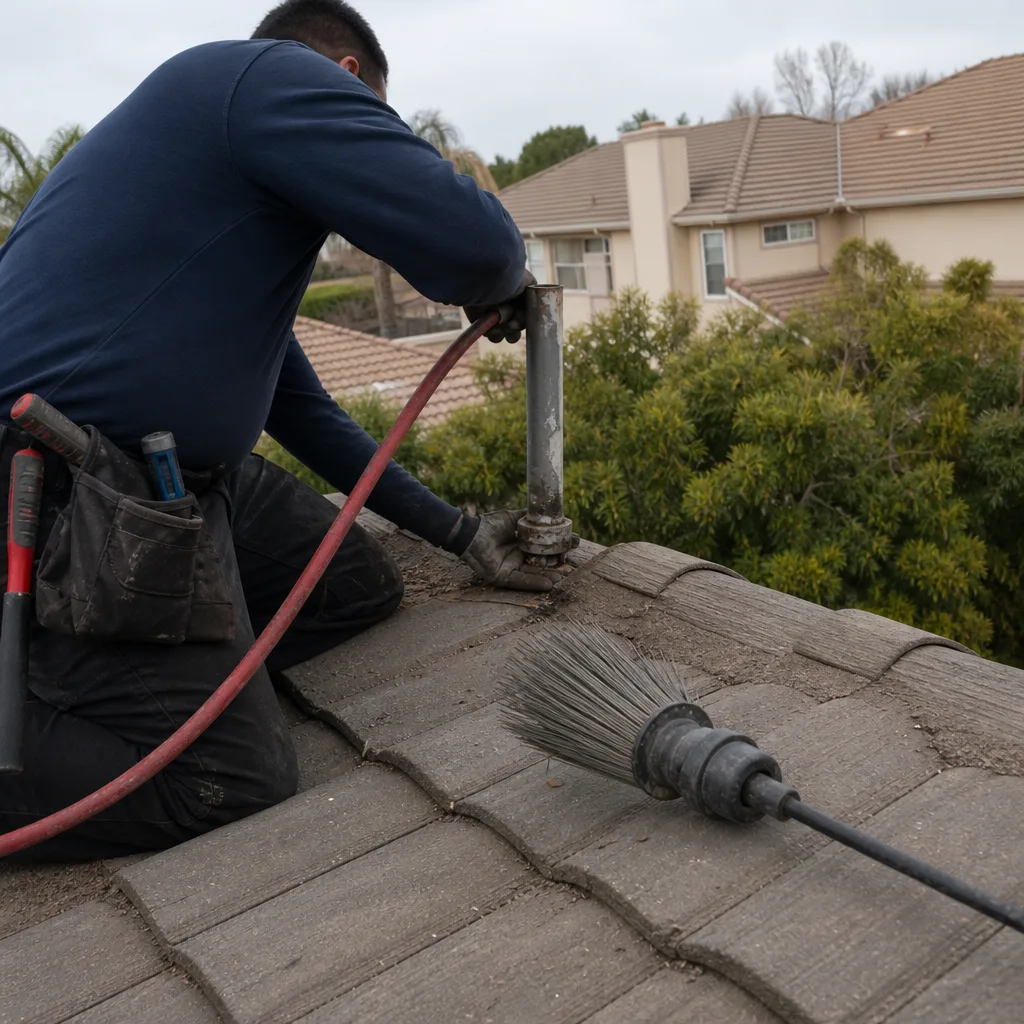
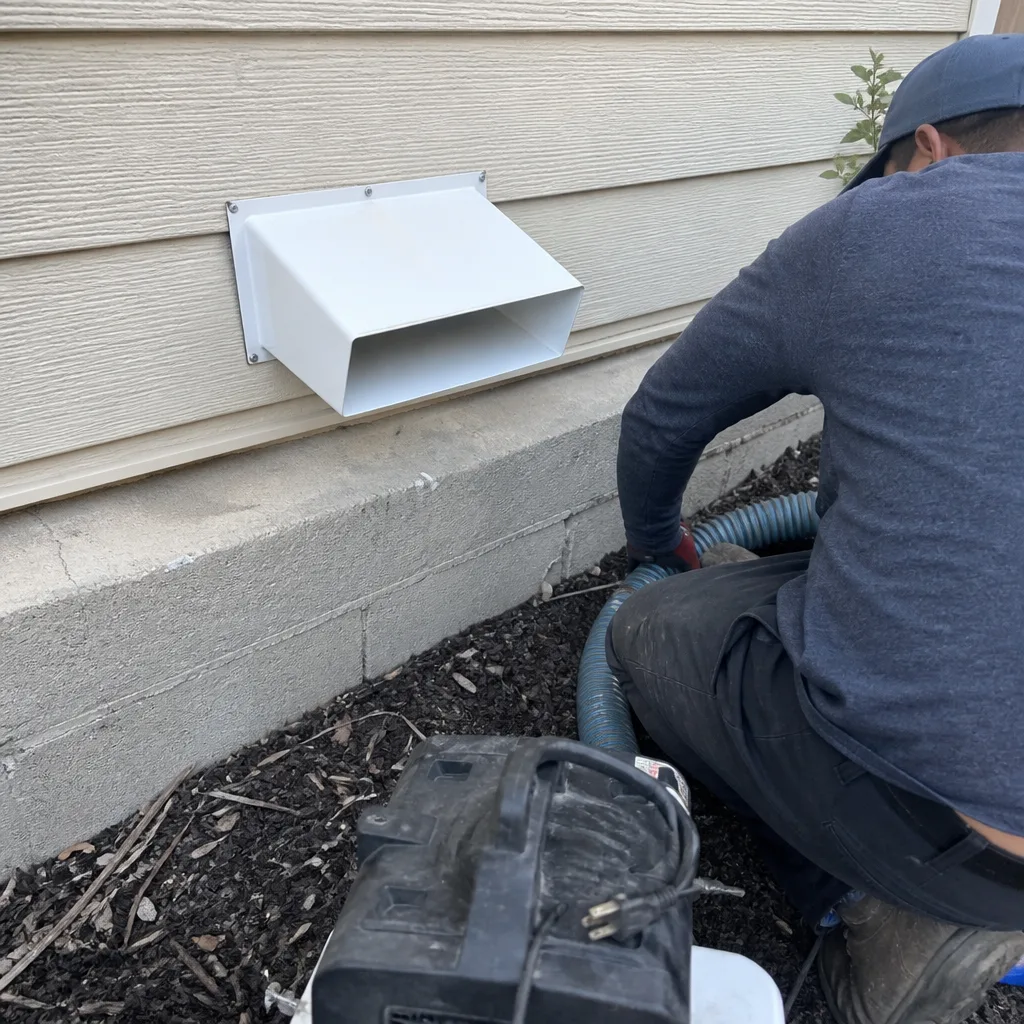
- Treating dryer vents as similar to HVAC ducts. They are not. Dryer vents carry lint, operate at different temperatures and airflow characteristics, and require different cleaning methods. Lint buildup is a documented fire risk – a leading cause of residential dryer fires – and the safety stakes are distinct from air quality concerns. Our Dryer Vent Cleaning in Clovis service treats this as a separate, higher-stakes task.
When to Call a Professional
Call a professional duct cleaning company if you see visible mold growth anywhere in the duct system, if you’ve had a rodent or pest issue in the attic or crawlspace where ducts run, if you smell musty odors when the system runs, if dust reappears within days of cleaning your registers, or if you’ve had construction or renovation work done that generated significant dust. These conditions indicate contamination or damage beyond what surface-level cleaning can address. The right professional will arrive with negative-pressure extraction equipment, HEPA filtration, and the experience to identify damage while cleaning. If a company shows up with a shop vac and a brush kit, they’re doing exactly what your DIY attempt would do – just with more reach. Duct Cleaning Clovis offers free estimates in Clovis – call (855) 661-0630 to schedule an assessment.
Frequently Asked Questions
For register cleaning and filter replacement, yes – those are legitimate DIY tasks with real value. For full-system duct cleaning, no – consumer equipment cannot create the negative-pressure containment needed to remove debris rather than redistribute it. The cost savings of a DIY attempt is wiped out if you disturb mold or damage duct connections.
Professional whole-home duct cleaning in Clovis typically runs $300 to $700 depending on system size, number of returns, accessibility, and whether the system has significant contamination or damage requiring additional work. This includes the full supply and return sides, plenum compartments, and blower area. Estimates should be free and specific to your home.
The defining difference is negative-pressure extraction at 2,000 to 4,000 CFM paired with brush-contact agitation, plus HEPA filtration on the vacuum exhaust. We run Rotobrush and Nikro systems – the same professional-grade equipment class used in remediation and restoration work nationwide. No consumer tool approaches this airflow or filtration standard.
Look for visible dust accumulation at register openings, dust reappearing quickly after cleaning, musty odors when the system runs, reduced airflow from supply registers, or visible evidence of pest activity near duct runs. In Clovis, with our high cooling load and agricultural dust, systems that have never been cleaned after five or more years of operation typically benefit from professional attention.
Yes. Buildup on the blower, evaporator coil, and inside supply runs restricts airflow, which means the system runs longer to move the same volume of conditioned air. With Clovis summer temperatures and Central Valley electricity rates, that inefficiency shows up directly in higher cooling costs. Cleaning restores airflow and reduces the energy required to condition the same space.
Cleaning removes accumulated debris from the interior surfaces of the duct system. Repair addresses physical failures – separated joints, torn flex duct, crushed sections, missing insulation, or deteriorated duct board. These are different services that sometimes overlap. A damaged system needs repair regardless of whether it also needs cleaning, and cleaning around damage can make the damage worse.
The Bottom Line
DIY air duct cleaning works for exactly two tasks: cleaning visible registers and replacing filters. Both are worth doing and neither requires professional equipment. Everything past that – the duct runs, the plenums, the blower compartment – requires negative-pressure containment that only professional equipment provides. The Rotobrush and Nikro extraction systems we run, paired with HEPA filtration, remove debris from the home rather than redistributing it. The cost comparison that matters isn’t the brush kit against the cleaning quote. It’s the cleaning quote against the remediation bill when DIY agitation disturbs the wrong material. In Clovis, where AC runs hard for half the year and agricultural dust is a constant input, professionally cleaned and maintained ducts deliver measurable energy savings and better air quality. For ongoing maintenance tips, see our Seasonal Air Duct Cleaning Care for Clovis: Year-Round Homeowner’s Guide.
Written by the team at Duct Cleaning Clovis, serving Clovis since 2012.
See the difference
 Before
 After
 Before
 After
 Before
 After