
Last updated November 2, 2026
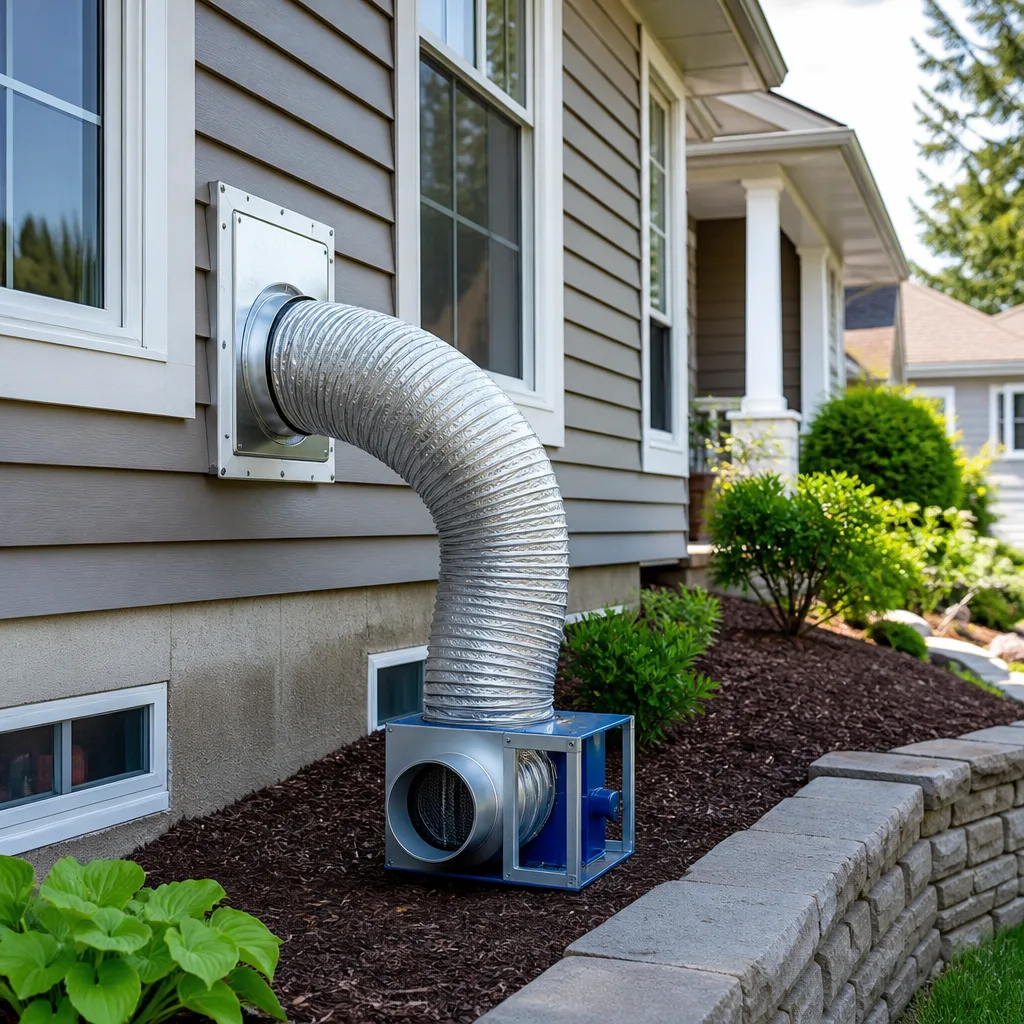 Whole-home duct cleaning
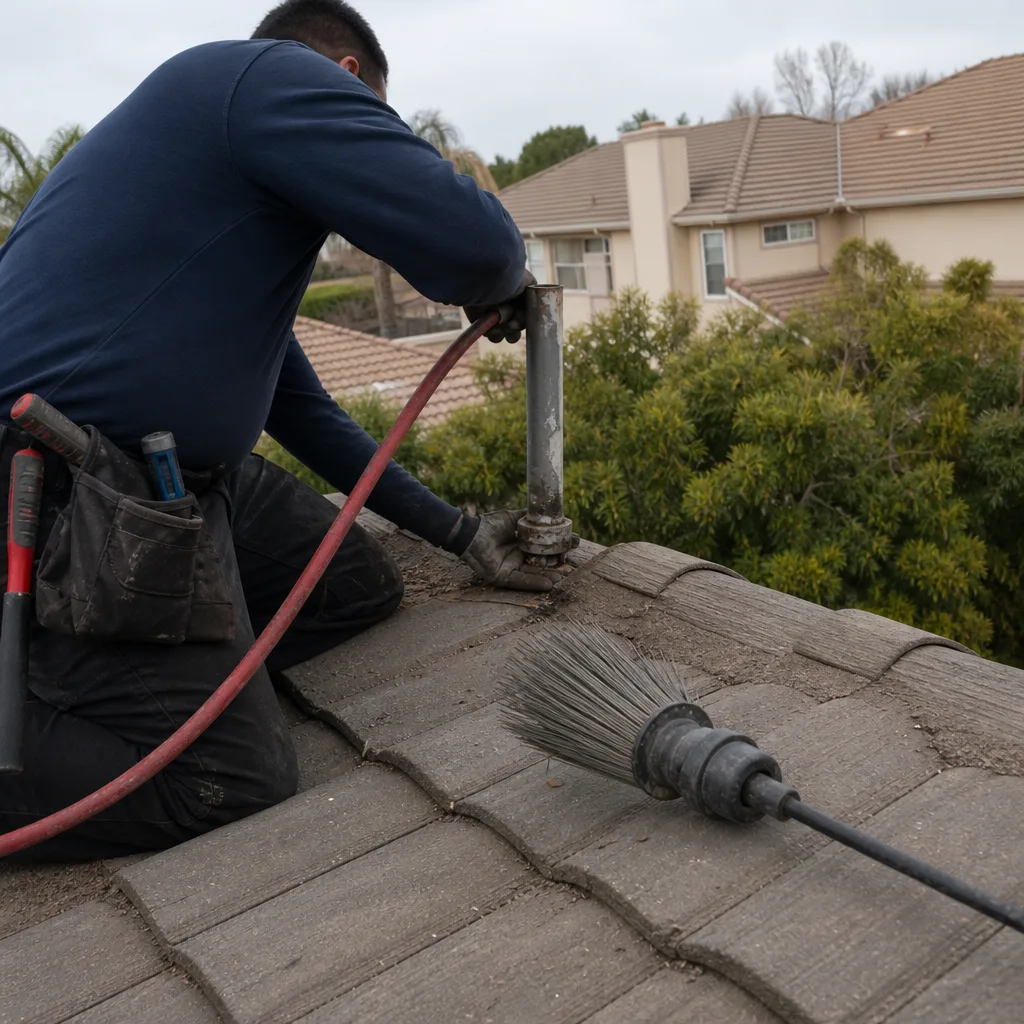
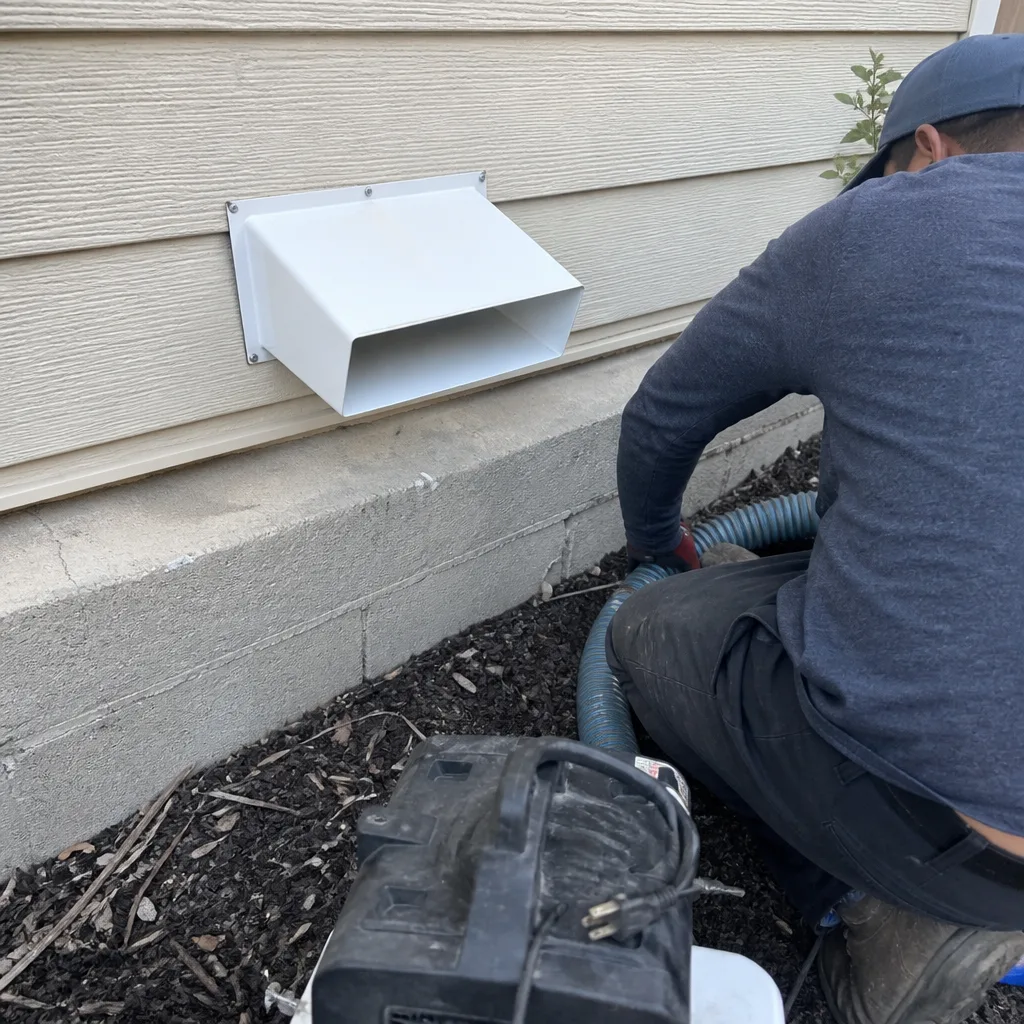
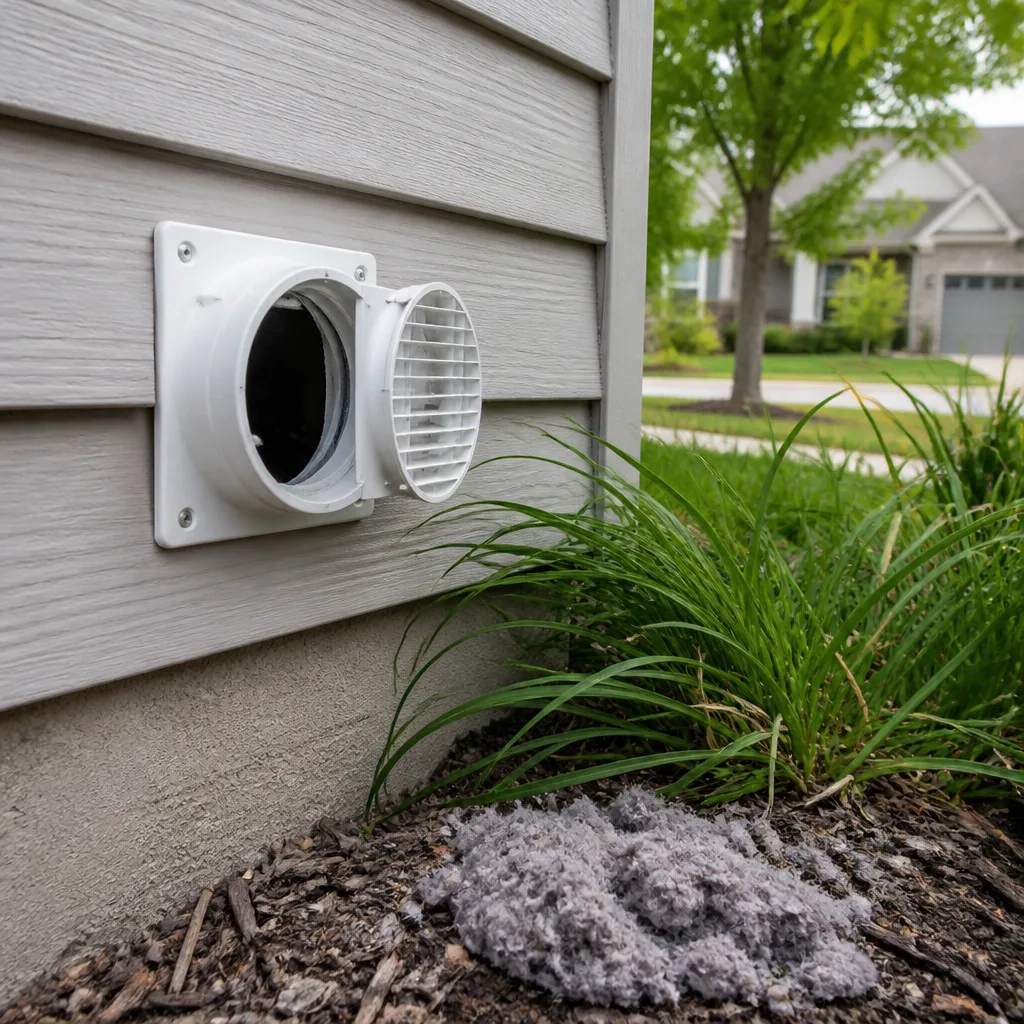 Dryer vent cleaning
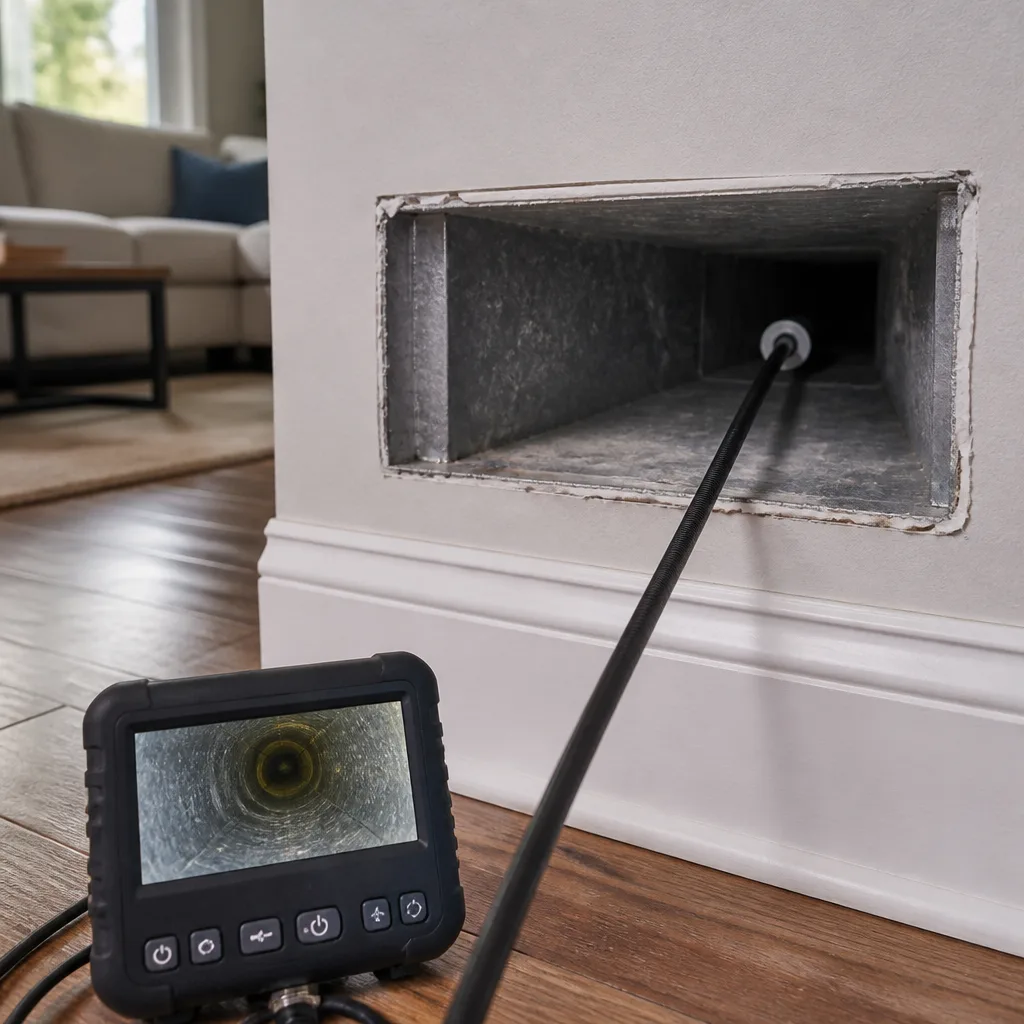 Camera inspection
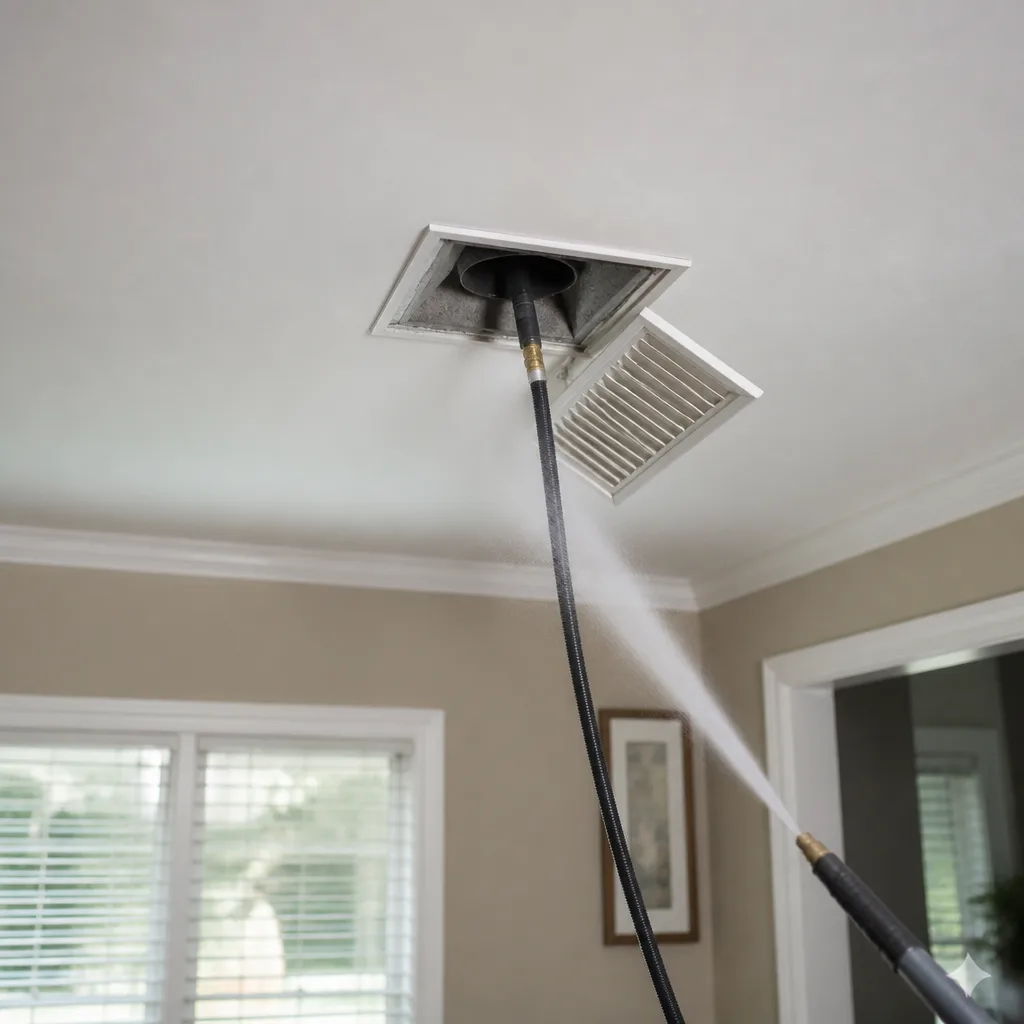 Sanitizing & deodorizing
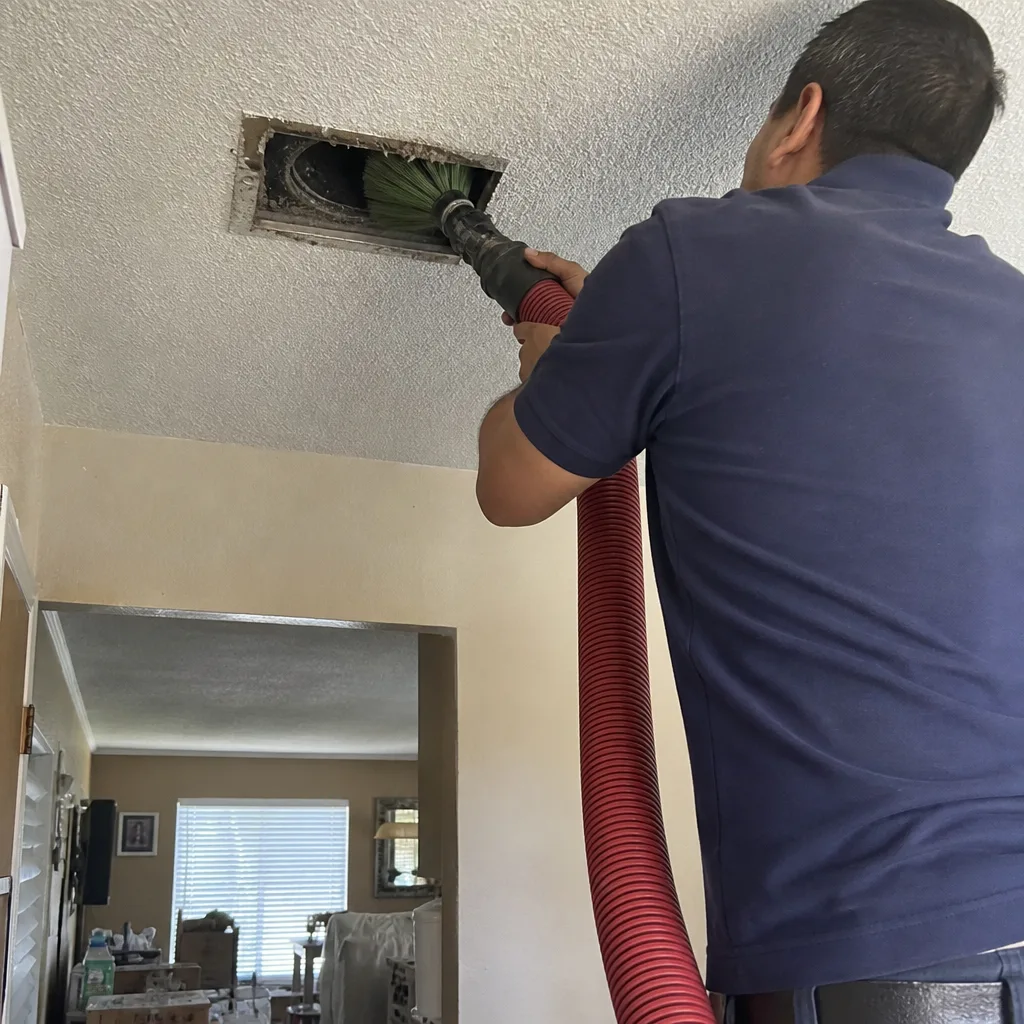
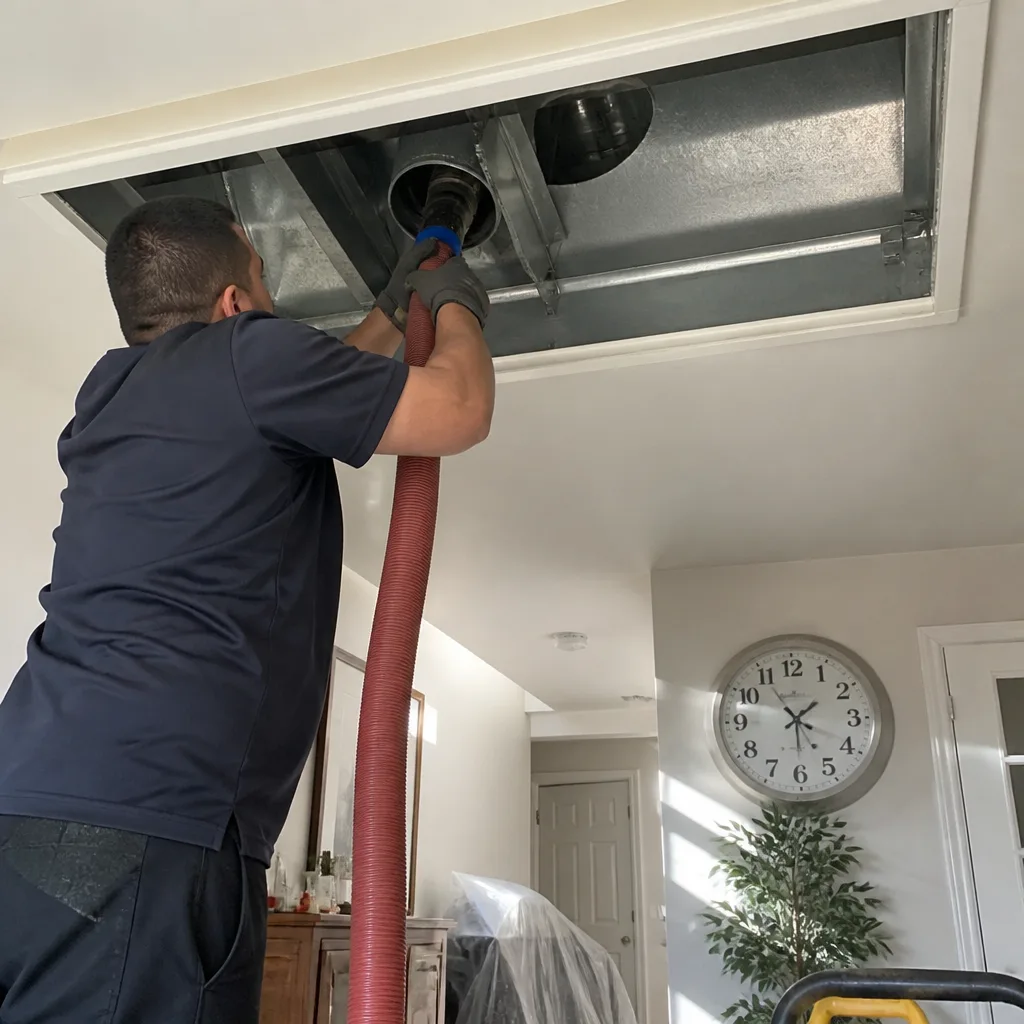
Whole-system duct and dryer vent check with before-and-after photos - you see exactly what came out of your vents
That "$99 whole-house special" is a bait ad - the real number appears once they are in your hallway, or the "clean" is a shop-vac at the register. We photograph the inside of your ducts before and after instead.
Air Duct Cleaning Cost Breakdown: The Clovis Homeowner’s Reference for 2026
The $99 whole-house duct cleaning coupon that lands in Clovis mailboxes every spring isn’t a deal. It’s a door opener. National Air Duct Cleaners Association (NADCA) consumer research puts the average final ticket for residential duct cleaning between $400 and $600 after on-site upsells, and Clovis homeowners who understand why that gap exists are the ones who end up paying a fair price for actual work. This guide – along with our Air Duct Cleaning Maintenance Checklist for Clovis Homeowners – breaks down what duct cleaning really costs in Clovis in 2026, why quotes vary by a factor of ten for the same square footage, and how to read a written estimate so you know exactly what you’re paying for before the van shows up.
Styles & brands we work with
- Whole-home duct cleaning
- Dryer vent cleaning
- Camera inspection
- Sanitizing & deodorizing
Quick Answer
Our Air Duct Cleaning services in Clovis typically cost $285 to $550 for a single-system home under 2,000 square feet in 2026, while larger two-system homes with multiple returns run $450 to $900 or more. The price spread exists because contractors are quoting fundamentally different scopes: some are loosening debris with a consumer shop vac while others run brush-contact extraction with HEPA-filtered negative air machines. Legitimate add-ons like dryer vent cleaning and coil cleaning add $75 to $200 each; manufactured upsells like duct foggers and unverifiable “mold treatments” add nothing but invoice.
Table of Contents
- Why the Same Clovis House Gets Quotes From $99 to $1,500
- The Three Pricing Models: Per Vent, Per Linear Foot, and Flat Rate
- Legitimate Add-Ons vs. Manufactured Upsells
- How Clovis Home Size, Duct Material, and System Age Affect Price
- How to Read a Written Duct Cleaning Quote
- What a Duct Repair Quote After Cleaning Should Include
- Post-Job Verification: How to Know the Work Was Actually Done
- Common Mistakes to Avoid
- When to Call a Professional
- Frequently Asked Questions
- The Bottom Line
Why the Same Clovis House Gets Quotes From $99 to $1,500
The duct cleaning industry in Clovis has a pricing range that looks broken because it is. A 1,800-square-foot single-story home in the Harlan Ranch area might draw a $99 mailer quote from one company and a $700 line-item estimate from another. Neither number is inherently wrong because neither company is pricing the same job. The $99 quote covers a technician showing up with a portable vacuum, popping two or three registers, and spending 45 minutes making visible dust disappear from the vent openings. The $700 quote covers full access to every supply and return run, brush-contact agitation through the entire plenum, negative air pressure with HEPA filtration, and documented before-and-after photos of each section. One of these is dust relocation. The other is extraction.
We’ve inspected ducts in Clovis homes where a previous low-cost cleaning left behind a half-inch of caked debris on the trunk line walls. The homeowner paid less and got nothing removed because no brush ever touched the duct interior. The pricing problem isn’t that some Clovis companies charge more. It’s that the industry allows radically different scopes to be marketed under the same service name. Understanding what equipment is being used and what access is included will tell you more about final price than any quoted number will, as we cover in our Air Duct Cleaning Emergency Preparedness Guide for Clovis Homes.
The Three Pricing Models: Per Vent, Per Linear Foot, and Flat Rate
How a Clovis duct cleaning company structures its quote changes the incentives on the job. Each model exists for a reason, and each creates a different pressure point on the contractor.
1. Per-Register Pricing
This model quotes a price per supply vent and return, typically $22 to $38 per opening in the Clovis market. A 2,000-square-foot Clovis home usually has 10 to 14 registers, putting a per-register quote at roughly $220 to $530 before add-ons. The incentive problem with per-register pricing is subtle: the contractor gets paid more for spending less time per vent, which encourages speed over thoroughness. It also creates a foot-in-the-door math problem. If you tell a homeowner the job costs $28 per vent and then “discover” that the main trunk needs extra work, the per-vent number was never the real price.
2. Per-Linear-Foot Pricing
Per-linear-foot quotes are rarer in residential Clovis work but show up on larger custom homes with extensive duct runs, especially in neighborhoods like Quail Lake or the Tesoro Viejo development east of town. Expect $3 to $6 per linear foot depending on duct material and accessibility. This model is more transparent because it ties price directly to the measured length of ductwork, but it requires a physical inspection or detailed home plans to produce an accurate estimate. Any contractor who gives a per-linear-foot quote without measuring the system is guessing.
3. Flat-Rate System Pricing
Flat-rate pricing is the model most aligned with homeowner interests because it removes the incentive to cut corners. The contractor quotes one price for the complete system, defined in writing with the number of registers, returns, plenums, and the trunk line all included. In our experience, flat-rate quotes in Clovis for a single-system home run $300 to $550 for the scope described. The key is what the flat rate covers. A legitimate flat-rate quote will specify the equipment being used, the access method, and the number of openings included. If none of that is written down, the flat rate is just a verbal number with no scope behind it.
The pricing model matters because it shapes behavior. Per-register pricing rewards speed. Per-linear-foot pricing rewards measuring. Flat-rate pricing with a written scope rewards doing exactly what’s on the page. When you compare Clovis duct cleaning quotes, compare the models first and the dollar figures second.
Legitimate Add-Ons vs. Manufactured Upsells
A duct cleaning estimate that arrives with six extra line items isn’t always padding the bill. Some add-ons represent real work with measurable outcomes. Others are designed to inflate the invoice with products and services that produce no verifiable result. Here’s how to tell the difference in the Clovis market.
Legitimate Additions You Should Consider
- Dryer vent cleaning: $75 to $150. A separate system from your HVAC ducts, with its own accumulated lint load. Lint buildup is one of the leading causes of residential dryer fires in the United States, and the Clovis Fire Department responds to dryer-related fires in the valley every year. This is a measurable safety service, not an upsell.
- Air handler coil cleaning: $120 to $250. If the evaporator coil in your air handler is caked with dust, cleaning the ducts without cleaning the coil recontaminates the system within weeks. Clovis summers put heavy runtime on AC coils, and dust from the agricultural valley air compounds the problem.
- Blower motor and housing cleaning: $80 to $150. The blower pushes air through the entire system. If it’s coated with dust, that dust re-enters clean ducts within the first few hours of operation.
- Return air plenum access and cleaning: $60 to $120. The return plenum is often the dirtiest part of the system because it collects unfiltered air from the home. Some low-priced cleanings skip it entirely because access is harder than popping a floor register.
Manufactured Upsells to Question
- Duct sealant fogging: $300 to $600. Fogging a sealant through ductwork without first identifying specific leaks is a spray-and-pray approach. Duct sealing has legitimate applications, but it requires pressure testing to locate leaks first. A fogger run through an unsealed system treats nothing and verifies nothing.
- Deodorizing treatments: $150 to $250. If ducts smell musty, the smell has a source: moisture, a dead pest, a disconnected return pulling crawlspace air, or microbial growth. Spraying a deodorizer masks the smell without addressing the cause. Once the fragrance fades, the must returns.
- Mold treatments without lab confirmation: $400 to $800. If a technician claims to see mold and offers to treat it without taking a sample for laboratory analysis, you’re being sold a chemical application on faith. Real mold remediation involves containment, removal, and verification testing. Anything less is a chemical spray with a mold-themed story.
- UV light installations at cleaned-duct prices: $500 to $900. UV systems have legitimate applications in HVAC, particularly for coil sterilization. But selling one as a “premium duct cleaning add-on” conflates a disinfection device with debris removal. They’re different jobs with different purposes.
The test for any add-on is simple: can the contractor show you what the line item is supposed to fix, and can they verify afterward that it’s fixed? If the answer is no to either question, it’s not a service. It’s a line item with a story.
How Clovis Home Size, Duct Material, and System Age Affect Price
Duct cleaning is labor-bound, not material-bound. The price you pay in Clovis is really the price of technician hours, and three factors determine how many hours your system demands.
Home Size and System Configuration
Clovis housing stock breaks into three rough tiers. Pre-1980 homes in the Old Town area and earlier developments tend to have single systems with 8 to 12 registers and shorter duct runs, typcially landing at the lower end of the pricing range. Homes built from 1980 to 2010 in neighborhoods like Buchanan Estates and the area around Sierra Vista Mall often have 12 to 18 registers with longer trunk lines, averaging $350 to $600 for a complete cleaning. Newer construction east of Clovis Avenue, including the Tesoro Viejo and Loma Vista developments, frequently runs two systems with 18 to 24 registers, pushing total cleaning time and price to $600 to $900 or more for both units.
Duct Material
What your ducts are made of changes how they’re cleaned and how long the job takes. Sheet metal ducts, common in Clovis homes built before 1990, clean efficiently with brush-contact tools and hold up well to agitation. Flex duct, standard in most Clovis homes built after 1990, requires softer brush pressure and slower tool passes to avoid tearing the inner liner. Duct board, found in some 1970s and 1980s Clovis homes, is the most fragile: aggressive brush cleaning can damage the fiberglass surface, and a competent technician will adjust approach and time accordingly. If a quote doesn’t ask about or inspect duct material before pricing, the number is a placeholder.
System Age and Condition
Older systems in Clovis homes carry more than dust. A 25-year-old system in a home that’s been through two decades of valley summers often has deteriorating flex connectors, loose joints, and possibly failing duct tape at the seams. Cleaning an old system takes longer because the technician has to work around failing materials, and it often reveals damage that was invisible behind years of debris. This is where cleaning and repair overlap. In our experience with Air Duct Cleaning in Clovis, roughly one in five homes we clean has at least one duct section that needs repair to stop conditioned air from leaking into the attic or crawlspace, a finding the homeowner can see in the post-cleaning photos.
How to Read a Written Duct Cleaning Quote
A written estimate is either a scope document or a number with marketing attached. Clovis homeowners who know how to read one pay for what they get, and only what they get. Here’s what a competent quote includes.
Step 1: Check for Scope Specificity
The quote should state the number of supply registers, returns, and the type of access the contractor will use on each. “Whole house cleaning” with no register count is a scope dodge. A legitimate quote says something like “12 supply registers, 2 returns, main trunk line, and both plenums.” If the page has no numbers, the contractor hasn’t planned the job.
Step 2: Look for Equipment Named by Make and Model
Equipment descriptions tell you what standard of cleaning you’re buying. “Professional vacuum cleaning” means nothing; a technician can do that with a consumer shop vac. Look for specific tooling: brush-contact extraction systems like Rotobrush, HEPA-filtered negative air machines like Nikro units used in restoration work, and remediation-grade equipment from manufacturers like Abatement Technologies. These names signal that debris is being mechanically dislodged and captured, not just loosened and partially vacuumed. Equipment named in the quote gives you something to verify when the truck shows up.
Step 3: Verify What’s Included in the Base Price
Every line item beyond the base cleaning should tell you three things: what it is, why it’s needed for this system, and what it costs. “Air handler coil cleaning: $185, evaporator coil visible dust accumulation” is a legitimate line. “System enhancement package: $249” is not. If a line item has no definition, strike it.
Step 4: Confirm Post-Job Verification
The quote should state that you’ll receive before-and-after photos of the duct interior. Not register openings. The duct interior, shot through the access points the contractor cut or opened. If a company refuses to provide interior photos or says they “don’t have that capability,” you’re buying an invisible service on trust. Camera systems for duct inspection are standard professional equipment, not luxury add-ons.
Step 5: Review Warranty Language
A duct cleaning warranty is only meaningful if it names a specific outcome. “Satisfaction guaranteed for 30 days” is near-worthless because the definition of satisfaction floats. A clearer warranty states something like “any visible debris remaining in accessible duct sections within 90 days will be re-cleaned at no charge.” Look for warranties that tie to observable conditions, not feelings.
A quote that fails any of these five checks isn’t necessarily fraudulent, but it does tell you the contractor hasn’t thought about the job beyond booking the appointment. In a market like Clovis where the price spread is already wide, quote quality is the better predictor of service quality than the dollar figure.
What a Duct Repair Quote After Cleaning Should Include
Duct cleaning sometimes reveals problems that were buried under years of dust: disconnected flex runs, crushed sections, leaking joints, separated plenum connections. When that happens, the repair quote should be specific in ways that a cleaning quote doesn’t need to be. Here’s what a competent Air Duct Repair in Clovis estimate includes after the cleaning inspection.
Per-Foot Material Costs by Duct Type
Flex duct replacement in Clovis typically runs $8 to $15 per linear foot installed, depending on R-value rating and diameter. Sheet metal repair or replacement runs higher, $18 to $30 per linear foot, but lasts the life of the home when properly sealed. The quote should specify which material it’s pricing and why. If it says “duct repair: $850” with no lengths or materials listed, it’s a lump-sum guess.
Access Point Fees
If the damaged section sits in a tight attic space or above a finished ceiling, the contractor may need to create access. In Clovis attics with low pitch roofs, common in 1980s tract housing, access work can add $100 to $300 to a repair quote. Legitimate contractors itemize this separately because it’s a real labor cost. Contractors who bury it in a round number aren’t necessarily overcharging, but they’re not showing you the math either.
Sealing and Re-insulation Line Items
Any replaced or reconnected duct section should include mastic sealing at joints, not duct tape, which degrades under attic heat and fails California code requirements in most applications. If the duct section is in unconditioned attic space, which describes most Clovis homes, the quote should also include re-insulation to match the original R-value. A repair that leaves uninsulated flex in a Clovis attic is a future energy bill problem, and the valley’s 100-degree summers will make that problem expensive.
HERS Testing Requirements Under Title 24
California’s Title 24 building efficiency standards include HERS (Home Energy Rating System) testing requirements for duct systems in many scenarios, particularly when a repair or replacement involves more than a specified percentage of the system. If your repair is extensive enough to fall under the Title 24 triggered-work provisions, the quote should mention HERS testing and its cost, typically $250 to $500 depending on system size. A contractor who doesn’t know whether your repair triggers HERS testing doesn’t know California code. In Clovis, where HVAC systems run hard through long cooling seasons, the energy cost of leaky ducts is significant enough that code compliance is worth verifying.
Post-Job Verification: What You Should See When the Crew Leaves
The biggest problem in duct cleaning isn’t price. It’s verification. Ducts are hidden, and a dishonest or lazy contractor can do very little work and charge very real money, because you can’t see what wasn’t done. Here’s what legitimate post-job verification looks like from a Clovis contractor using professional-grade equipment.
- Before-and-after photos from inside the ducts. You should see images from the trunk line and branch runs, captured with an inspection camera pushed through the access points. The before photos show caked dust; the after photos show bare duct surfaces. If the contractor can’t produce interior photos, the job can’t be verified.
- Access point documentation. A legitimate cleaning cuts or opens access points at the plenum and trunk line, then seals them properly when finished. You should know where these were made and see that they’re sealed with mastic or metal tape, not left open or covered with standard duct tape.
- Debris removal confirmation. The extraction system captures debris through HEPA filtration, not by blowing it out a window or into your attic. Ask the technician to show you the collection canister before it’s emptied. If the canister holds a significant volume of material, the ducts were dirty. If it’s nearly empty but you were told your ducts were “very dirty,” something doesn’t match.
- Filter check. If your HVAC filter was dirty before cleaning and is still dirty when the crew leaves, ask why. A properly cleaned system with the blower run afterward should not immediately re-foul a clean filter unless the coil or blower was skipped.
Verification is why equipment matters. A consumer shop vac has no collection chamber you can inspect, no HEPA certification on the exhaust, and no camera documentation as standard practice. Professional-grade systems like the Rotobrush brush-contact units and Nikro HEPA-filtered negative air machines used by remediation contractors exist precisely because they produce verifiable extraction, not just air movement. When the job is done, you should be able to see what came out and what the ducts look like now. That’s the standard. Clovis homeowners shouldn’t settle for less.
Common Mistakes to Avoid
- Choosing by price alone. A $99 Clovis coupon cleaning that skips the return plenum and half the branch runs costs more per actual square foot of duct cleaned than a $450 full-scope job. The lower number isn’t the better value; it’s a smaller job wearing the same name.
- Skipping the dryer vent when you schedule duct cleaning. The dryer vent is a separate run with separate fire-safety implications. Lint buildup is one of the leading causes of residential dryer fires in the U.S., and Clovis homeowners who clean HVAC ducts while leaving a packed lint vent in place have fixed the air quality half and ignored the safety half. Dryer Vent Cleaning in Clovis is a $75 to $150 addition that addresses a documented fire risk.
- Accepting a quote with no scope. “Whole house duct cleaning: $395” with no register count, no access method, and no equipment description is not a quote. It’s a price with a promise attached. You’re betting $395 that the contractor’s definition of “whole house” matches yours.
- Paying for sealant fogging without leak testing. A fogger run through ducts treats nothing and verifies nothing. Duct sealing only makes sense after a pressure test has identified where the leaks are. If no test was performed, the fog was theater.
- Ignoring the coil after cleaning the ducts. A clean duct system attached to a dirty evaporator coil re-contaminates fast. In Clovis where AC systems run from April through October, the coil is the primary dust collector when the system is on. Skipping coil cleaning while paying for duct cleaning means paying twice for the same outcome.
- Assuming the cheapest and most expensive quotes are equally competent. The Clovis duct cleaning market includes legitimate specialists using restoration-grade equipment and generalist crews running basic truck mounts. The $99 mailer and the $700 quote aren’t the same service at different markups. They’re different services. Understanding the scope difference is the only way to compare them.
When to Call a Professional
Some signals mean a DIY approach or a discount cleaning won’t fix what’s actually wrong. Call a professional when you see visible dust accumulating on vents within weeks of cleaning, when rooms heat unevenly despite a functioning system, or when a musty smell returns after you’ve changed filters and cleaned registers. These point to issues inside the ducts themselves: disconnected runs, restricted airflow, or contamination that’s beyond what surface cleaning addresses. The same holds when you find flex duct torn in the attic or separation at the plenum. That’s a repair problem, not a cleaning problem. Duct Cleaning Clovis offers free estimates in Clovis for duct cleaning, dryer vent cleaning, and duct repair. Call (855) 661-0630 to schedule an assessment.
Frequently Asked Questions
In Clovis, a legitimate full-scope air duct cleaning for a single-system home under 2,000 square feet costs $285 to $550 in 2026, while two-system homes with 18 or more registers run $600 to $900. Quotes below $150 typically cover register-level vacuuming only, not trunk line and plenum cleaning with brush-contact extraction. Call (855) 661-0630 for an exact quote based on your system configuration and home size.
Cheaper quotes reflect smaller scopes. A $99 offering covers fewer access points, skips the return plenum or coil, and uses portable equipment with limited extraction power. The technician’s goal at that price is to get inside the home and sell upgrades, which is why NADCA’s own data shows the average final ticket lands at $400 to $600 even for coupon-priced jobs. The cheap quote isn’t the same service at a better price; it’s a thinner service designed to convert into a thicker invoice.
You should receive before-and-after photos from inside the duct system, captured through the access points the technician opened. You should also be shown the debris collection canister from the extraction system before it’s emptied, confirming what was removed. If a contractor cannot provide either, the scope is unverifiable. Call (855) 661-0630 to speak with a Clovis duct specialist about what our post-job documentation includes.
NADCA recommends cleaning every 3 to 5 years for most homes. Clovis homes with pets, allergy sufferers, recent construction or renovation, or agricultural dust exposure from the surrounding San Joaquin Valley environment often benefit from a 2 to 3 year interval. Homes with no pets, minimal dust exposure, and high-quality filtration may stretch to 5 years or longer, but the only honest way to know is a camera inspection.
Aggressive cleaning with the wrong equipment can damage flex duct liners and duct board surfaces in Clovis homes where these materials are common. Brush-contact tools need variable speed and softer pressure settings for flex duct, and a technician who runs metal brush heads at full speed through older flex runs can tear inner liners. This is another reason to ask what equipment is being used and whether it’s adjustable for your duct material. Professional-grade systems with controllable brush heads are designed for exactly this variation.
Duct cleaning before a Clovis home sale removes visible dust that buyers notice during inspections and eliminates a common negotiation point about deferred maintenance. Buyers who see visible accumulation at register openings during a walkthrough often ask for credits or concessions. A documented cleaning with before-and-after photos gives you an answer to that conversation before it starts. For a free estimate on pre-sale duct work, call (855) 661-0630.
The Bottom Line
Duct cleaning prices in Clovis span a wider range than the service itself does. Most legitimate work falls between $285 and $900 depending on system size, and quotes outside that band usually mean either a reduced scope on the low end or manufactured add-ons on the high end. The variables that determine real price are knowable: register count, duct material, system age, and the equipment standard the contractor brings. A written quote that names the scope, the equipment, and the verification method is worth more than any dollar figure. For Clovis homeowners who want ducts cleaned, dryer vents cleared of fire-risk lint, and repairs handled without a second contractor, Duct Cleaning Clovis home provides equipment-grade extraction and full-scope service with documented results.
Written by the team at Duct Cleaning Clovis, serving Clovis since 2012. For more guides & resources, visit our blog.
See the difference
 Before
 After
 Before
 After
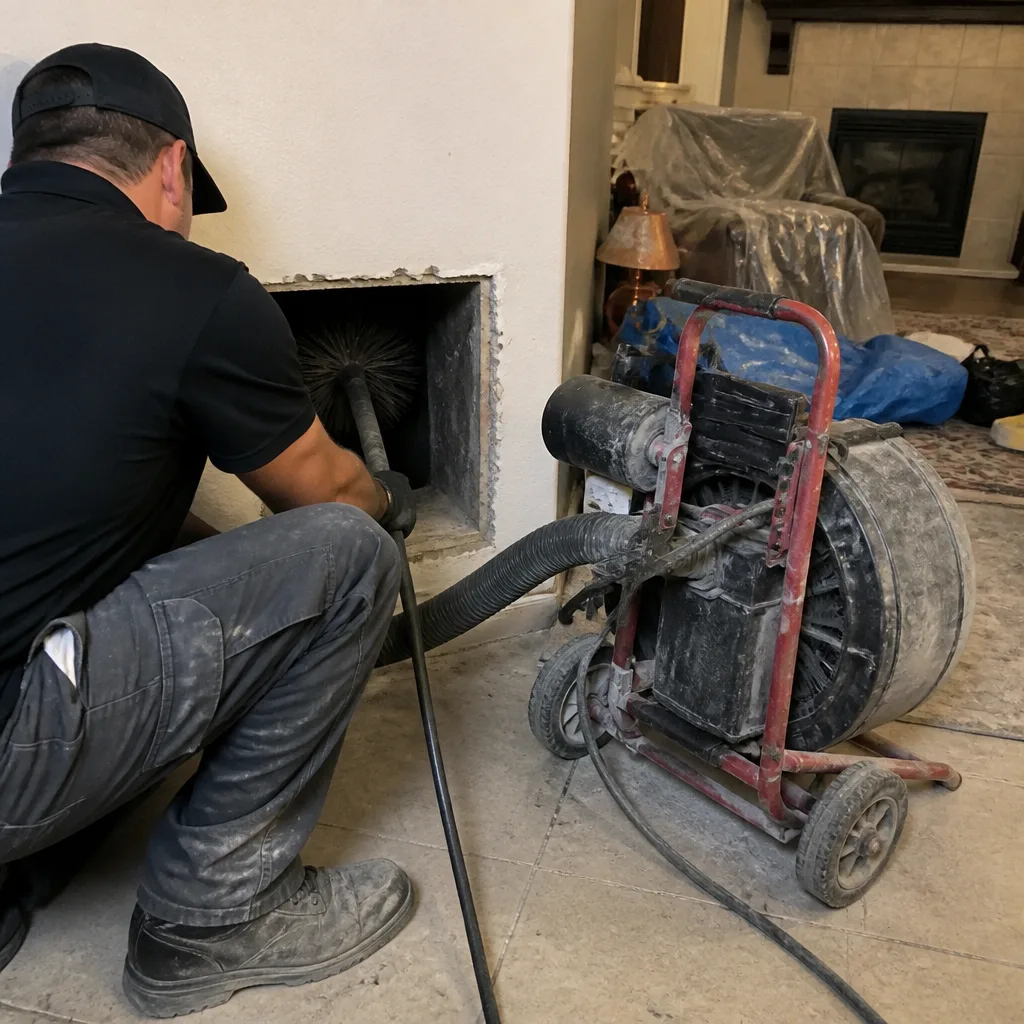 Before
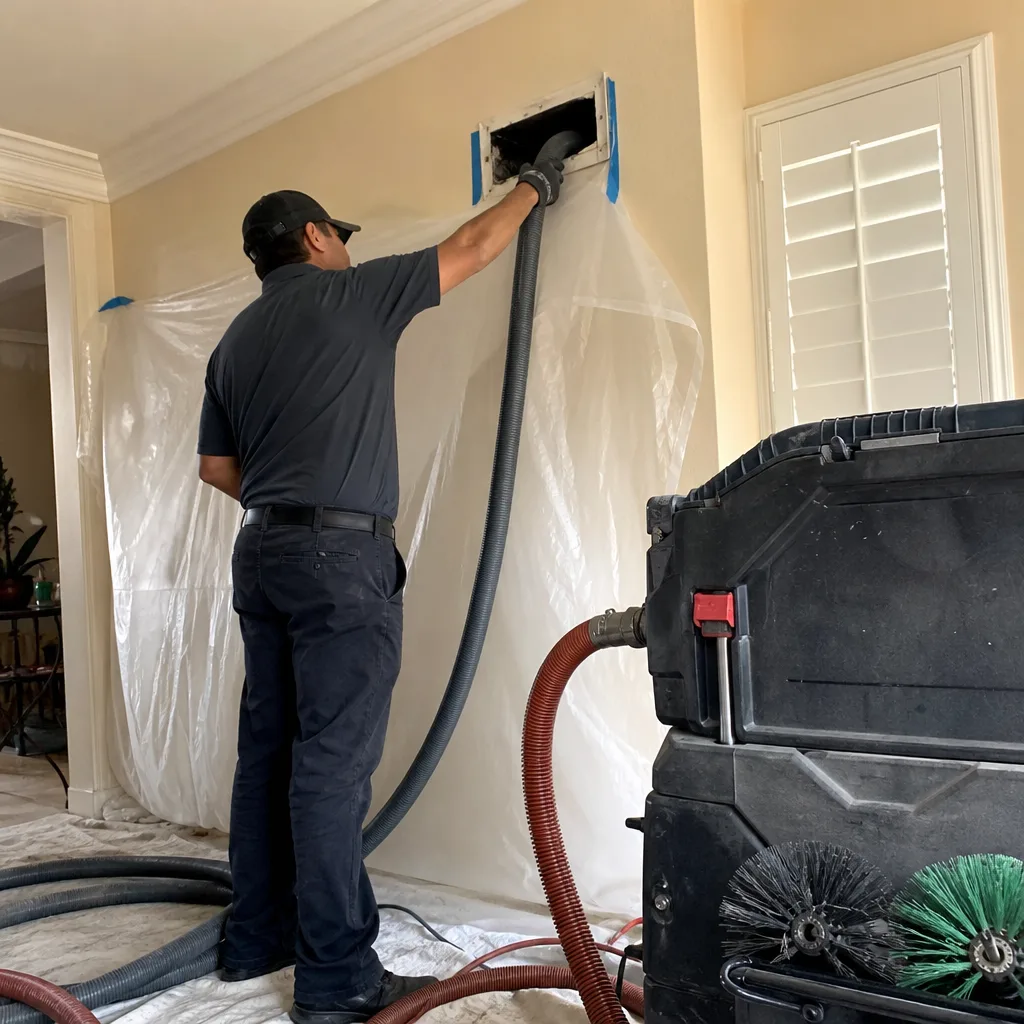 After