
Last updated November 2, 2026
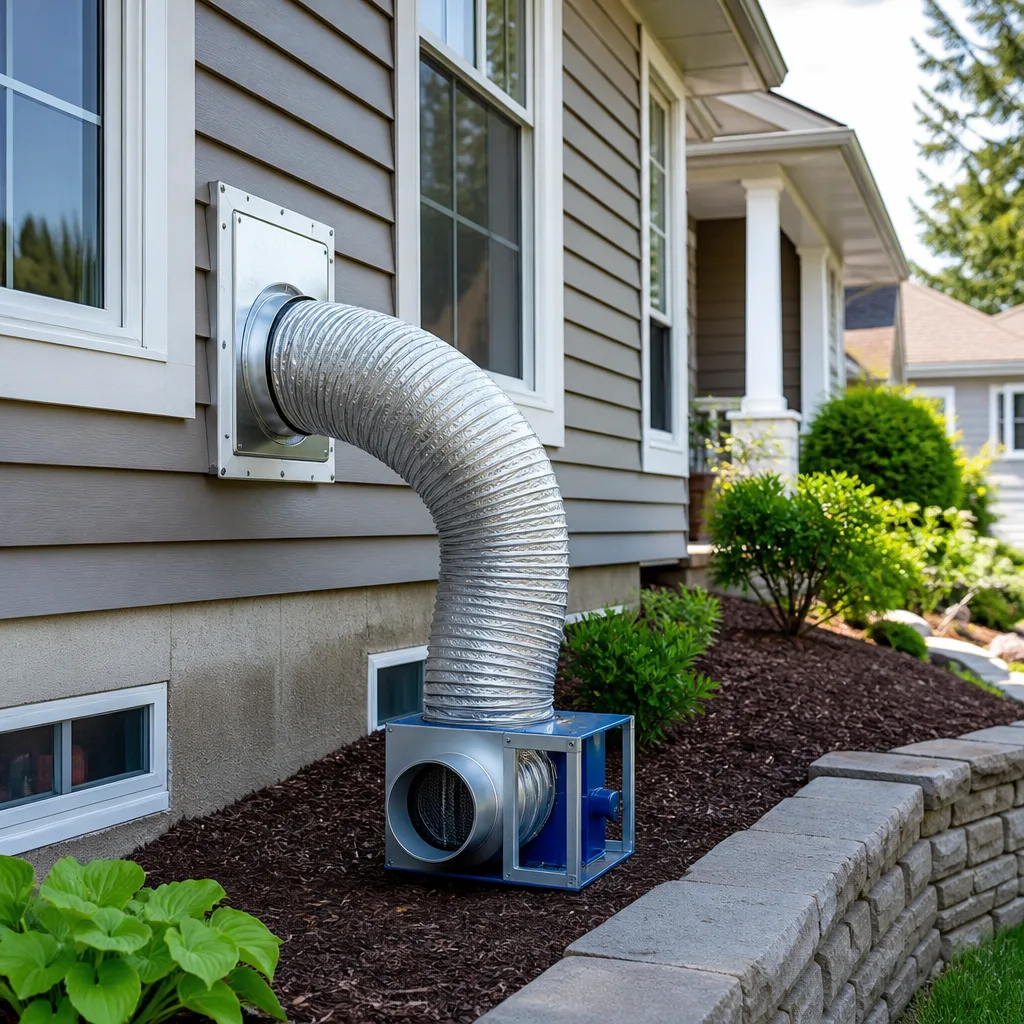 Whole-home duct cleaning
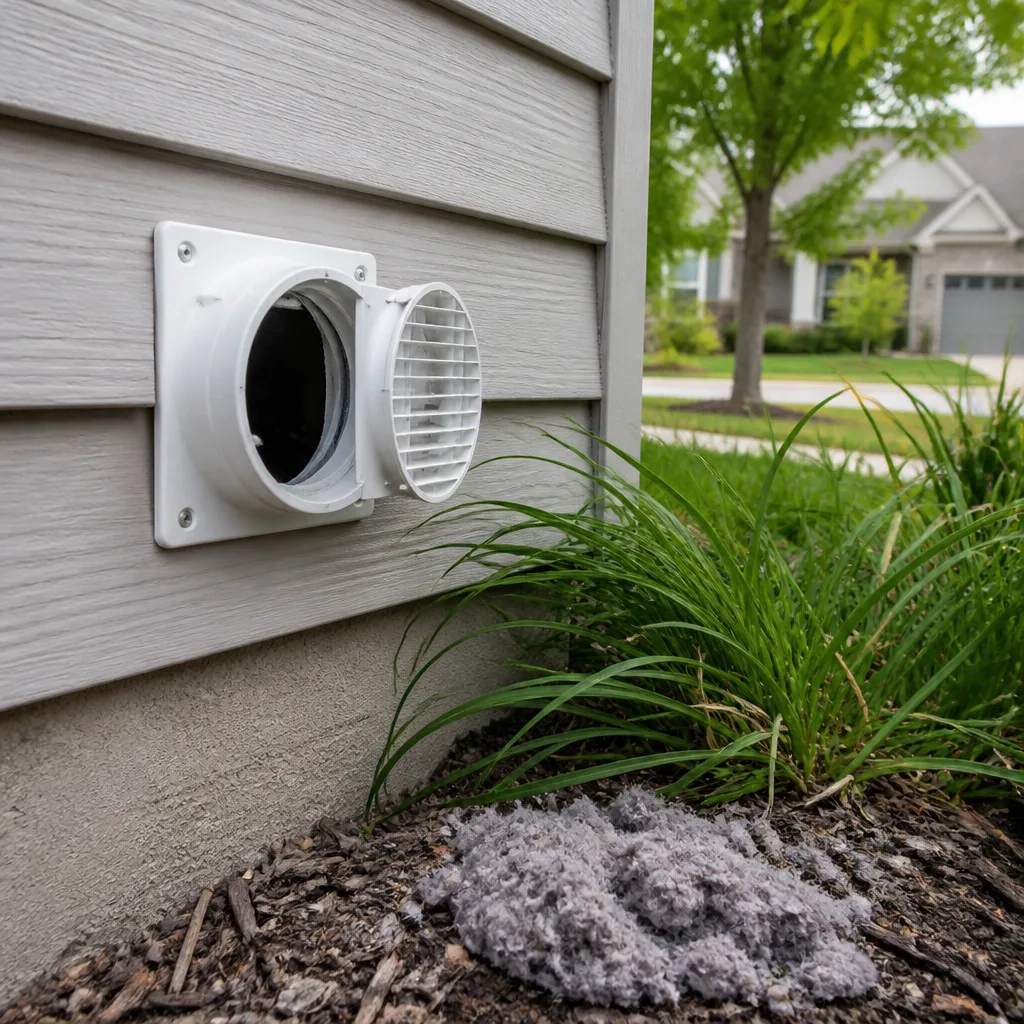 Dryer vent cleaning
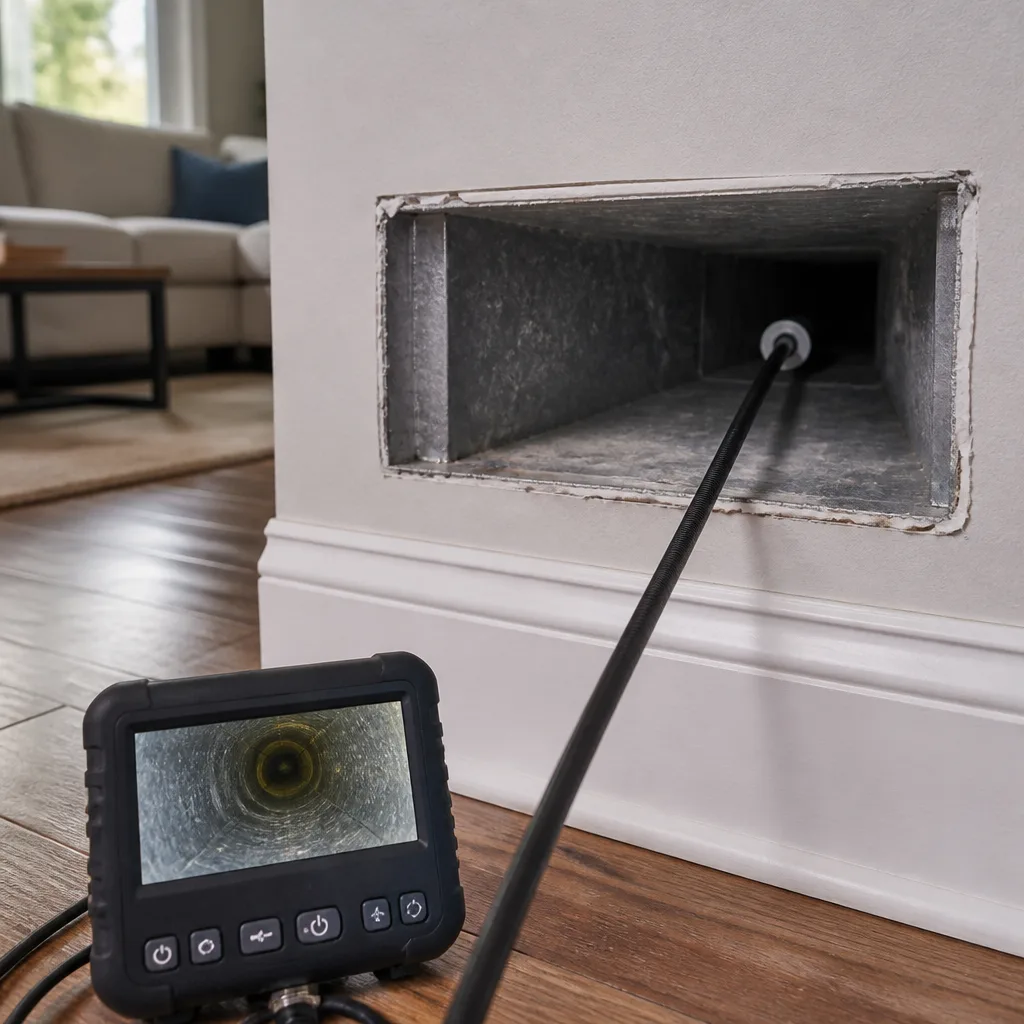 Camera inspection
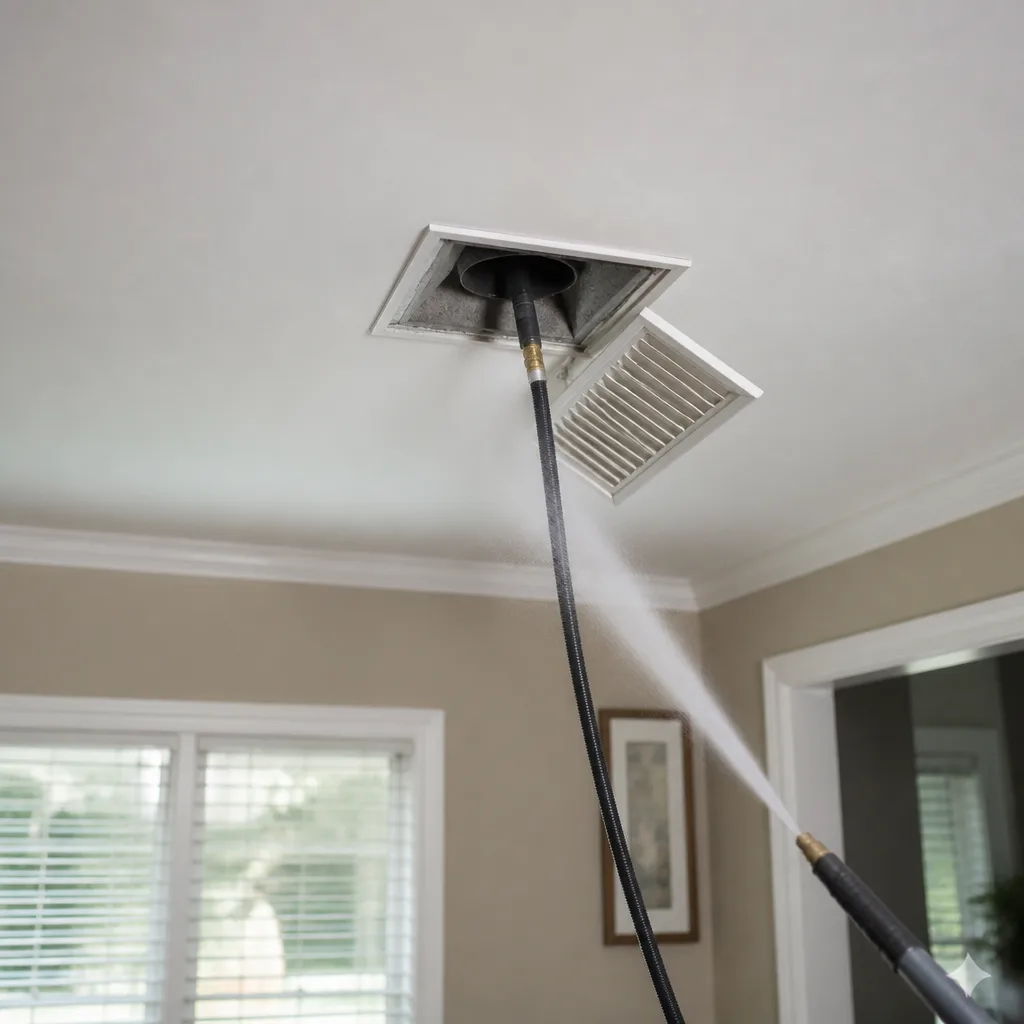 Sanitizing & deodorizing
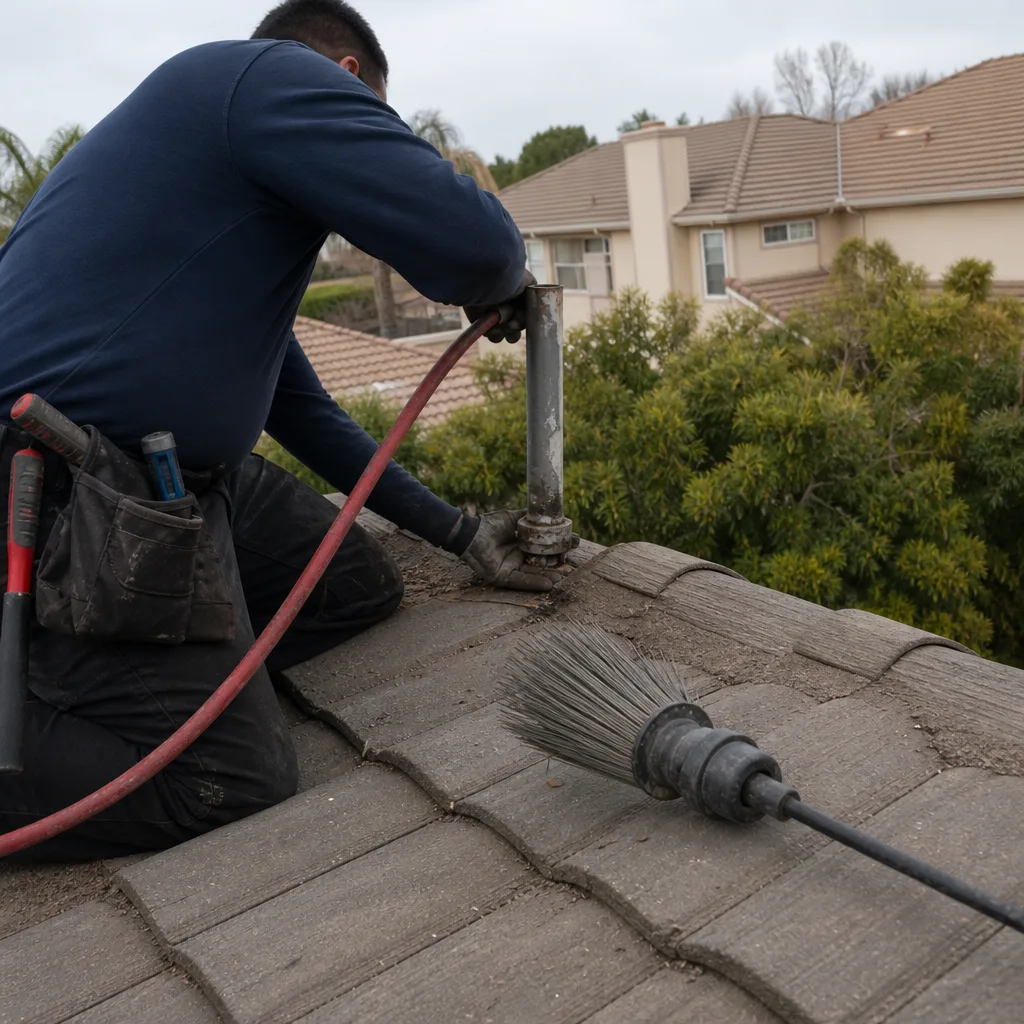
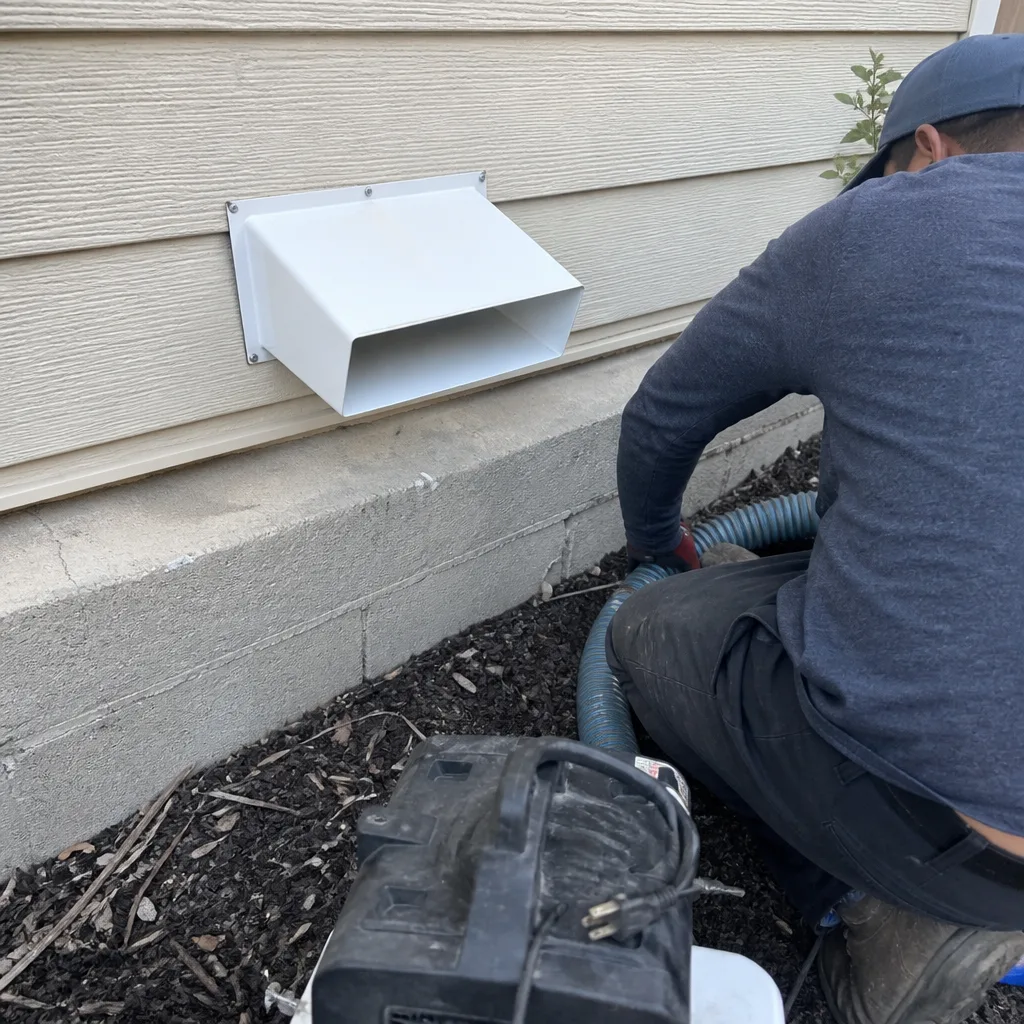
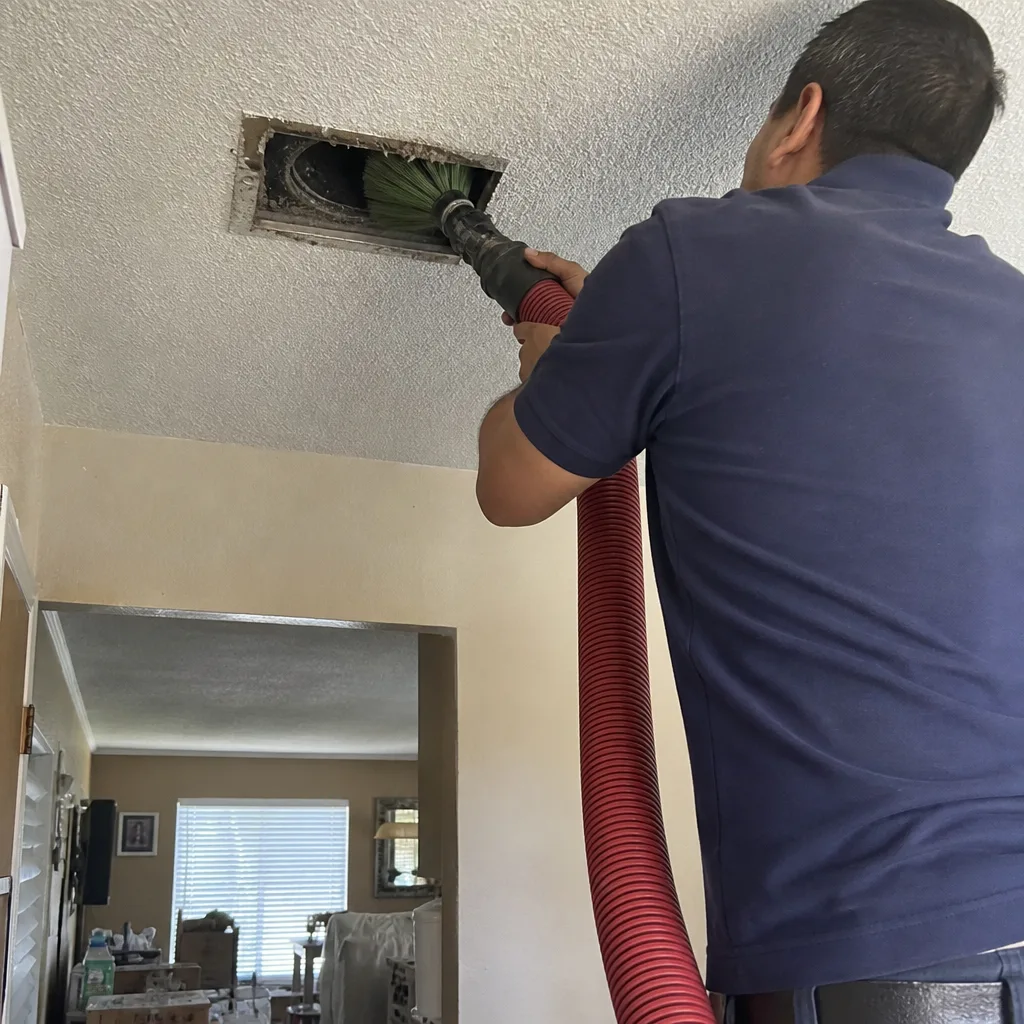
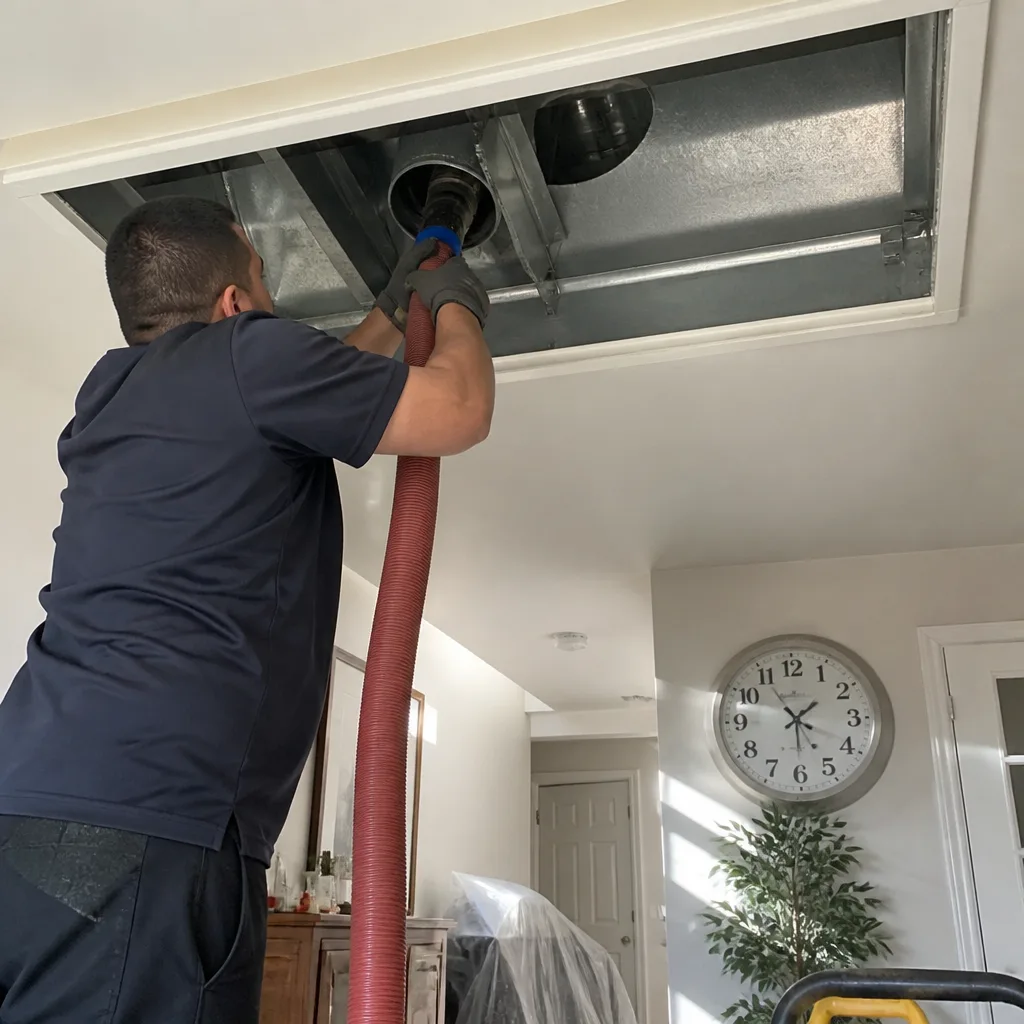
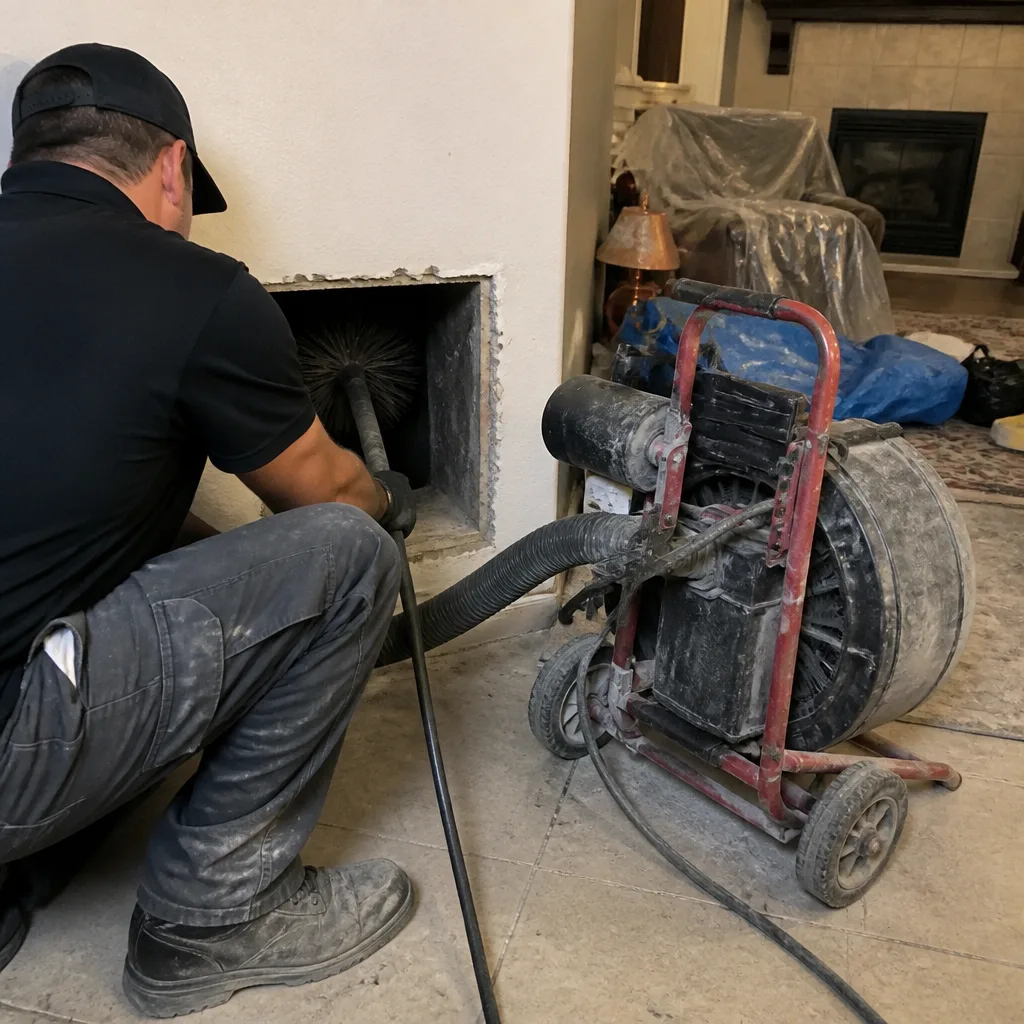
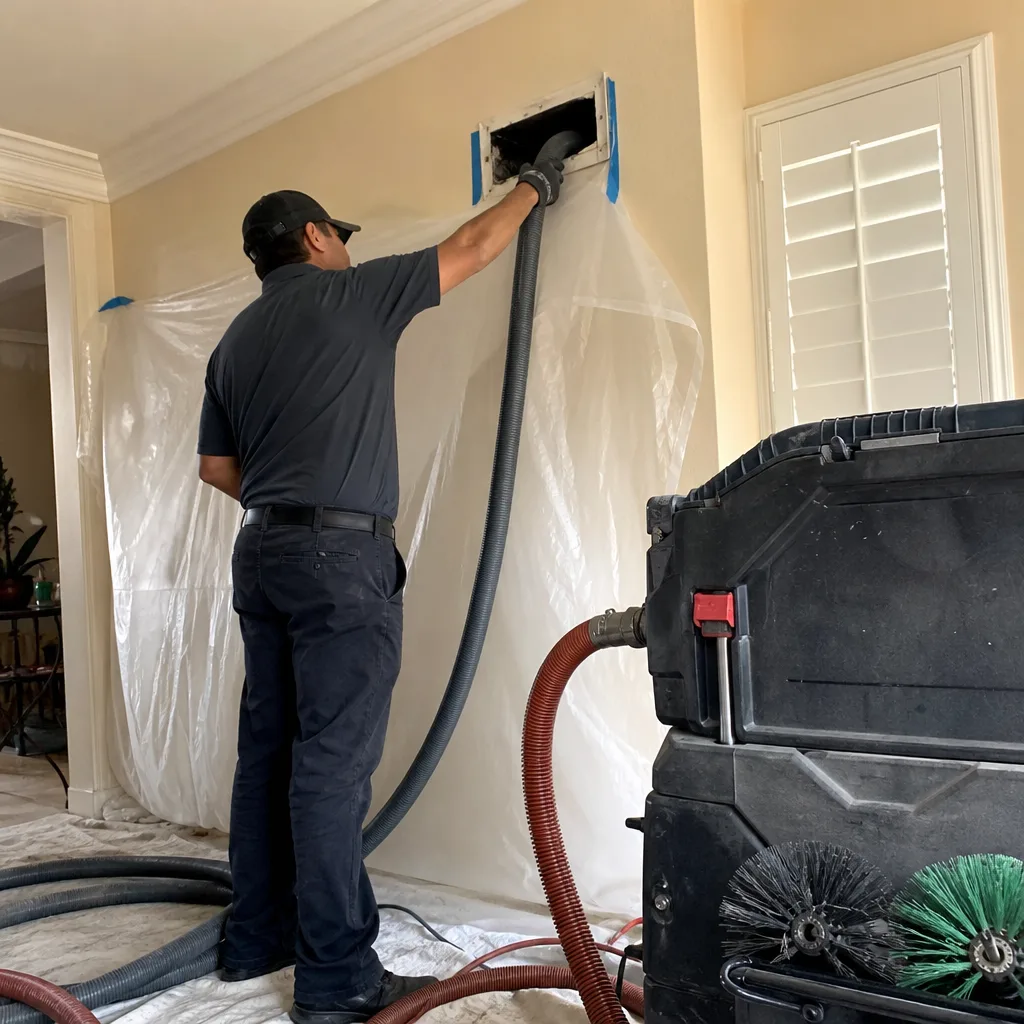
Whole-system duct and dryer vent check with before-and-after photos - you see exactly what came out of your vents
That "$99 whole-house special" is a bait ad - the real number appears once they are in your hallway, or the "clean" is a shop-vac at the register. We photograph the inside of your ducts before and after instead.
Seasonal Air Duct Cleaning Care for Clovis: Year-Round Homeowner’s Guide
Clovis sits in one of the most HVAC-stressed climates in the country. Triple-digit summers force air conditioners to run for months without meaningful rest, then Valley wildfire seasons push smoke particulates fine enough to sail straight through a standard MERV-8 filter into your ductwork. By the time a homeowner notices a musty smell or a bedroom that never cools right, the duct system has usually been accumulating seasonal debris for years, not weeks. This guide explains how each season in Clovis deposits distinctly different contaminants into your ducts, and why a single annual cleaning often misses what actually needs to be addressed. You’ll learn what to inspect each quarter, what each seasonal contaminant does to your system, and how to build a maintenance calendar that matches the San Joaquin Valley’s actual weather patterns rather than a generic national checklist.
Quick Answer
Air duct cleaning in Clovis is best handled seasonally, not annually: spring pollen and almond bloom debris load filters 3 to 4 times faster than the national average, summer heat causes duct joint expansion and condensation that feeds microbial growth, fall brings wildfire smoke particulates that bypass standard filtration and coat coils with combustion residue, and winter’s low runtime lets condensation linger in flex ducts. A practical approach is a spring filter and inspection check, a targeted fall cleaning after fire season, and immediate attention to any visible moisture or airflow problem whenever it appears, rather than one arbitrary annual appointment.
Styles & brands we work with
- Whole-home duct cleaning
- Dryer vent cleaning
- Camera inspection
- Sanitizing & deodorizing
Table of Contents
- Spring in Clovis: Pollen, Almond Bloom, and Filter Loading
- Summer in Clovis: Heat Expansion, Condensation, and Duct Joint Stress
- Fall in Clovis: Wildfire Smoke Protocol and Combustion Residue
- Winter in Clovis: Low Runtime, Condensation, and Microbial Growth
- Building a Seasonal Service Calendar That Actually Fits Clovis
- What Each Seasonal Contaminant Does to Your System
- What a Homeowner Can Inspect, and What Requires Professional Equipment
- Common Mistakes to Avoid
- When to Call a Professional
- Frequently Asked Questions
Spring in Clovis: Pollen, Almond Bloom, and Filter Loading
Spring in Clovis doesn’t just bring warm weather. It brings one of the heaviest natural particulate loads in the country. From late February through May, the San Joaquin Valley’s almond orchards bloom, and the sheer volume of pollen moving through the air is staggering. Almond pollen is large and sticky. It clings to window screens, car hoods, and every exterior surface including your HVAC condenser. But the bigger problem is what it does inside your duct system.
When a central air system runs, it pulls return air through a filter that is typically MERV-8 or lower. Almond pollen and cottonwood fibers from the region’s older neighborhoods load that filter three to four times faster than the national average. A filter that might last 90 days in a coastal climate can be clogged solid in three weeks during a heavy Clovis bloom. When a filter clogs, the air handler has to work harder to pull air through it. This raises static pressure throughout the entire duct run. The result is reduced airflow to every room, longer runtimes, and higher energy consumption during a season when temperatures are already climbing toward triple digits.
High static pressure also has a mechanical consequence that most homeowners never connect to dirty ducts. Duct joints that were adequately sealed under normal pressure can begin to leak when the system operates under sustained high static pressure from a clogged filter. Those leaks pull unconditioned air from attics and crawlspaces directly into the supply stream. If you’ve ever noticed that one room in your Clovis home gets warm while another stays cool during spring, a partially clogged filter combined with duct leakage is often the root cause.
What to do in spring:
- Check your filter every two weeks during almond bloom. If you can see a visible dust mat forming across the media, it’s already restricting airflow. Change it immediately rather than waiting for a monthly reminder.
- Inspect return grilles for cottonwood fiber accumulation. Cottonwood fluff collects on return grilles in a matter of days during late spring. Vacuum the grille face before it gets pulled into the filter box.
- Listen for whistling at supply registers. A high-pitched tone at a register under normal fan speed often indicates increased static pressure from a loaded filter or a partially collapsed flex duct.
- Schedule an airflow check if rooms start heating unevenly. A professional static pressure test can identify whether your ducts are leaking before summer demand pecks them apart.
In our experience with Clovis homes, the spring task that delivers the most benefit is not a full cleaning. It’s correcting filter loading and verifying that duct static pressure stays within the manufacturer’s design range. A system that enters June with a clean filter, sealed joints, and balanced airflow will survive the summer far better than one that gets a clean bill in March and is never rechecked.
Summer in Clovis: Heat Expansion, Condensation, and Duct Joint Stress
Clovis summers are brutal on ductwork. Days over 100 degrees are routine from June through early September, and attics can reach 140 to 160 degrees by mid-afternoon. Most Clovis homes have ductwork running through unconditioned attic space. Flexible duct, in particular, expands and contracts with these temperature swings on a daily cycle. That repeated expansion and contraction stresses the joints where flex duct connects to boots, plenums, and takeoff collars.
The mechanical failure most commonly seen after a Clovis summer is a duct joint that has pulled loose. When a joint separates, supply air leaks directly into the attic. The room that duct was serving suddenly gets weak airflow, while the system continues to run at full capacity because the thermostat never satisfies. Homeowners often respond by lowering the thermostat further, which only increases runtime and energy cost without improving comfort in the affected room.
Heat also drives condensation. When outdoor temperatures spike, the temperature difference between the cooled air inside the ducts and the hot attic air outside the ducts is extreme. If the duct insulation is thin, damaged, or compressed, condensation forms on the duct’s interior surface. That moisture supports mold and bacterial growth within weeks. This is a distinctly summer problem in Clovis because it requires a long stretch of continuous cooling combined with high outdoor temperatures. A short cooling cycle rarely produces enough temperature differential to cause condensation, but a system running 10 to 14 hours daily in July creates exactly the right conditions.
What to inspect in summer:
- Check supply register temperatures on the hottest days. A room that usually cools well but suddenly can’t keep up while others are fine is a classic sign of a separated duct joint.
- Inspect accessible ductwork in the attic for visible condensation. If you’re comfortable entering your attic safely on a cool morning, look for moisture on the exterior of flex duct. Interior condensation is harder to spot, but exterior sweating indicates inadequate insulation.
- Watch for a musty odor at registers when the system first starts. This is often the first detectable sign of microbial growth inside ducts caused by condensation.
- Check for disconnected or sagging flex duct. Sagging sections restrict airflow and create low spots where condensation collects and pools.
Summer is the season when duct joint failures most commonly surface in Clovis homes. The fix for a separated duct is not a cleaning service; it’s a duct repair that reseals the joint and restores design airflow. If you notice uneven room temperatures persisting through July and August, that’s a signal to have the duct system inspected, not just filter-swapped.
Fall in Clovis: Wildfire Smoke Protocol and Combustion Residue
Fall in the Central Valley increasingly means wildfire season. Clovis sits east of the Coast Range, and when fires burn in the Sierra foothills or the coastal mountains, smoke settles into the Valley and lingers for days or weeks. The particulate matter from wildfire smoke is not the same as household dust or pollen. It’s fine enough to pass through most residential filtration, and it contains combustion byproducts that behave differently in your HVAC system than ordinary debris.
The specific problem from wildfire smoke is fine particulate in the PM2.5 range and below. Particles under 2.5 microns are invisible to the naked eye and pass through a standard MERV-8 filter without resistance. When these particles enter your ducts, they don’t just sit there waiting to be blown back out. They coat the interior surfaces of supply ductwork and, more critically, the evaporator coil itself. Combustion residue on a coil reduces heat transfer efficiency. A coil fouled with smoke residue will not absorb heat as effectively, which means your AC has to run longer to achieve the same temperature drop. That coil fouling persists after the smoke clears, quietly raising your cooling costs for months afterward.
Smoke residue is also sticky. By the time wildfire season ends, your duct interior may carry a fine layer of hydrophobic combustion particles that normal household dust adheres to. This creates a compounding problem where post-smoke ducts accumulate dirt faster than they did before the smoke event. A duct system that stayed relatively clean for years can suddenly load up in a single season after heavy smoke exposure.
Fall protocol for wildfire smoke:
- Upgrade your filter during active smoke events to the highest MERV rating your system can handle without excessive static pressure. A MERV-13 filter will capture a meaningful portion of PM2.5, though you may need to change it more frequently.
- Run the fan on “On” mode during smoke days. Continuous circulation keeps air moving through the filter rather than letting smoke settle in the ducts.
- Have the evaporator coil inspected after a significant smoke season. A professional can determine whether combustion residue has fouled the coil and recommend cleaning if needed.
- Consider a post-season duct cleaning if you ran the system heavily during smoke events. Smoke residue in ducts is not something a standard filter change removes. It requires brush-contact extraction with a HEPA-filtered vacuum, the same approach used in restoration work after contamination events.
Fall is also the most common time for Clovis homeowners to schedule a comprehensive air duct cleaning. After a season of pollen, heat stress, and smoke, the system has accumulated the widest range of contaminants. A fall cleaning that uses brush-contact extraction and HEPA filtration removes not just loose debris but the adhered particulates that standard vacuuming leaves behind.
Winter in Clovis: Low Runtime, Condensation, and Microbial Growth
Clovis winters are mild compared to most of the country, but they create a duct problem that hot climates share: low runtime. When temperatures drop into the 40s and 50s, heating demand is intermittent. The system may run for short bursts in the morning and evening, then sit idle through the warm afternoon. That intermittent operation is actually worse for ductwork in one specific way: it leaves condensation in place without the long runtimes that would dry it out.
Condensation forms when warm, moist indoor air meets cold surfaces. In a Clovis winter, ductwork in unconditioned attics cools overnight. When the furnace kicks on in the morning, it pushes warm air through cold ducts. The first few minutes of operation are especially prone to condensation formation inside flex duct runs. In summer, the system runs long enough to evaporate that moisture. In winter, it may not. The result is moisture that lingers inside duct interiors for hours or days at a time.
That persistent moisture is the precursor to microbial growth. Mold and bacteria need three things: organic food material (household dust, skin cells, pet dander), moisture, and time. Winter provides all three in the duct system of a typical Clovis home. The early stages of microbial growth in ducts are not visible. They present as a faint musty odor that intensifies when the system first starts, then fades as the air handler warms up. By the time visible discoloration appears at a supply register, the growth is well established.
What to watch in winter:
- Note any musty or damp smell from registers when the heater first fires. This is not normal. It indicates moisture is present somewhere in the duct system.
- Check for condensation on visible duct surfaces during morning startups. Exterior condensation on flex duct means interior condensation is likely.
- Inspect the condensate drain line and pan. A clogged drain allows water to back up into the air handler, creating a standing moisture source that feeds duct microbial growth.
- If you have a Honeywell or Aprilaire whole-home filtration system, verify it’s functioning and the media is current. These systems provide suspended-particle control, but they cannot address moisture directly. A moisture problem still needs a mechanical fix.
Winter in Clovis is not the season when most people think about duct cleaning, but it’s when early-stage problems become visible to an observant homeowner. A musty smell in November or December is a warning sign that should not wait until spring. Addressing moisture early prevents what becomes a remediation-scale problem later.
Building a Seasonal Service Calendar That Actually Fits Clovis
A generic “clean your ducts every 3 to 5 years” guideline doesn’t work for Clovis homeowners. The seasonal contaminant profile is too distinct. The better approach is a calendar that staggers different inspection and service tasks across the year, matching each season’s specific threat.
Here is a practical seasonal calendar for a Clovis home:
- February to March: Pre-bloom filter check. Install a clean filter before almond bloom begins. Verify return grilles are clear of winter dust accumulation.
- April to May: Peak pollen monitoring. Check filters every two weeks during active bloom. Vacuum return grilles. Listen for airflow changes at registers.
- June to August: Summer airflow and condensation check. Verify even cooling across rooms. Inspect accessible attic ductwork for sagging or visible condensation. Address any duct joint separations with air duct repair in Clovis promptly.
- September to October: Post-wildfire cleaning window. If wildfire smoke affected your neighborhood, schedule a professional cleaning after the season ends. This is the highest-value cleaning window for most Clovis homes.
- November to December: Winter moisture inspection. Check for musty odors at registers. Verify the condensate line is draining. Confirm your whole-home filtration system media is current.
- January: Slow-season evaluation. Review the year’s energy bills against the prior year. A spike in cooling costs that doesn’t match weather patterns often indicates coil fouling or duct leakage that developed during the year.
This calendar assumes a home has no unusual conditions like pets with heavy shedding, recent construction, or a resident with respiratory sensitivities. Homes with those conditions may need to move the fall cleaning earlier or add a second inspection point. The key principle is that each season in Clovis deposits a different type of contaminant, and cleaning that happens at the wrong time addresses the previous season’s problem, not the current one.
One additional point worth making: dryer vent cleaning follows a different calendar altogether. Lint accumulation is a year-round fire risk, but the risk does not track seasonal pollen counts. Every load of laundry adds lint to the vent run regardless of the month, and a restricted dryer vent is a documented fire hazard. If you haven’t had your dryer vent cleaned in more than a year, it belongs on your calendar now, not in a specific season.
What Each Seasonal Contaminant Does to Your System
Understanding what’s in your ducts matters because different contaminants require different removal methods. A cleaning that addresses loose household dust will not necessarily address adhered pollen, smoke residue, or microbial growth. Each season’s debris behaves differently inside the duct system.
Spring pollen and almond bloom debris: Large, sticky, and fibrous. Almond pollen adheres to duct interior surfaces and filter media. Cottonwood fibers wrap around blower fan blades and accumulate on coil fins. These materials require contact agitation to loosen, not just high airflow. Brush-contact extraction is the relevant removal method.
Summer condensation byproducts: Moisture combined with organic dust creates biofilm on duct interior surfaces. Biofilm is not removed by vacuuming alone. It requires agitation and, in established cases, antimicrobial treatment. Prevention through moisture control is far more effective than remediation after growth is established.
Fall wildfire smoke residue: Fine combustion particulates that coat surfaces with a thin, hydrophobic film. This residue adheres to coils, blower wheels, and duct walls. It does not respond to simple air sweeping. HEPA-filtered vacuuming captures loose particles, but coil cleaning may also be required to restore heat transfer efficiency.
Winter condensation film: Standing moisture in low spots of flex duct. This creates the conditions for mold growth rather than being a contaminant itself. The fix is not cleaning alone; it’s identifying why condensation is accumulating and addressing the root cause, whether that’s inadequate insulation, a duct leak, or a drainage problem.
This is why a single cleaning method cannot adequately address a year’s worth of debris in a Clovis duct system. Professional-grade equipment matters because different contaminants need different approaches. Our team uses Rotobrush brush-contact extraction for adhered materials and Nikro HEPA-filtered vacuum systems for suspended particulate capture. That combination matters when you’re dealing with adhered pollen and fine smoke residue in the same duct system, not just loose dust that a basic truck-mount vacuum could handle.
What a Homeowner Can Inspect, and What Requires Professional Equipment
A homeowner in Clovis can and should inspect several aspects of their duct system without professional help. These inspections are not DIY cleaning attempts; they’re observational checks that tell you whether professional attention is warranted.
Homeowner inspection tasks:
- Visual filter inspection every two weeks during almond bloom and cottonwood season
- Return grille vacuuming when visible fiber accumulation appears
- Listening for register noise changes that indicate static pressure problems
- Monitoring room-to-room temperature consistency during summer afternoons
- Noting musty odors at registers during winter startups
- Checking accessible attic ductwork for visible sagging or obvious disconnection
Professional equipment tasks:
- Static pressure measurement using a manometer to diagnose airflow restriction
- Brush-contact extraction of adhered pollen and debris using equipment like Rotobrush
- HEPA-filtered vacuuming of the full duct run using a system like Nikro in conjunction with agitation tools
- Evaporator coil inspection and cleaning after wildfire smoke exposure
- Duct joint resealing and flex duct repair after heat-related separation
- Microbial growth assessment and remediation when moisture damage is suspected
The line between these two lists is where most Clovis homeowners get stuck. They change filters, vacuum grilles, and listen for problems, but they can’t see inside the duct run. The interior of a typical Clovis duct system is 40 to 120 linear feet of enclosed space that has never been visually inspected since installation. Professional cleaning with camera inspection capability removes that blind spot.
What we see consistently in Clovis homes: a homeowner who maintains filters diligently and still experiences allergic reactions in the home, or rising energy costs, or a musty odor. The filter has done its job capturing what passes through it, but it can’t capture what’s already inside the ducts, and it can’t address the particle sizes that pass through entirely. That’s where professional-grade equipment becomes the deciding factor, not the filter.
Common Mistakes to Avoid
- Scheduling one annual cleaning at an arbitrary date without considering what season’s debris it addresses. A cleaning in March removes winter dust but leaves you unprotected through pollen season and wildfire season. A cleaning in October after smoke season is far more effective for most Clovis homes.
- Relying on a MERV-8 filter during a wildfire smoke event. Standard filters simply do not capture PM2.5. You need the highest MERV rating your system can move air through without excessive static pressure, and you need to check it often.
- Ignoring a musty smell at registers and assuming it will dry out on its own. Musty odors in the duct system indicate moisture is present somewhere. Moisture problems in flex duct do not self-resolve. They get worse.
- Addressing uneven room temperatures by lowering the thermostat. A hot room is rarely caused by thermostat settings. It’s usually a duct issue like a separated joint or restricted airflow. Lowering the setpoint increases runtime and energy cost without fixing the actual problem.
- Assuming your ducts are clean because you change filters regularly. Filters capture what’s entering the system from the return side. They do nothing for what’s already inside the ducts. A perfectly filtered system can still have dirty ducts if contaminants entered during construction, a previous filter failure, or through leaks in unconditioned spaces.
- Putting off dryer vent cleaning because your clothes still dry. Lint accumulation in dryer vents is a fire hazard regardless of whether drying time has increased. The lint is still there, building up layer by layer. A vent that hasn’t been cleaned in years is a documented fire risk even if the dryer seems to work fine.
- Choosing a duct cleaner based on price rather than equipment and scope. A low-price cleaning that uses a standard truck-mount vacuum may remove loose dust from the main trunk line while leaving adhered pollen, smoke residue, and debris in branch runs untouched. When the cleaning changes nothing, you’ve paid for nothing.
When to Call a Professional
A duct system that is functioning within design parameters and has no visible contamination does not need professional intervention every year. But certain situations warrant an immediate call to a duct specialist in Clovis. If you smell musty odors consistently at your registers, you likely have microbial growth somewhere in the system that a filter cannot address. If cooling costs have risen year over year without a corresponding weather change, your evaporator coil may be fouled with accumulated contaminants or your ducts may be leaking conditioned air into the attic. If you ran your central air heavily during wildfire smoke events, combustion residue is likely present on interior surfaces even if you can’t see it. If some rooms stopped cooling adequately this summer, you may have separated duct joints from heat expansion. If your Honeywell or Aprilaire filtration system is installed but the ducts behind it have never been serviced, the filtration is only addressing part of the problem.
Duct Cleaning Clovis offers free estimates in Clovis, and a professional inspection can identify which of these issues is present before any work is authorized. Call (855) 661-0630 to schedule an assessment.
Frequently Asked Questions
Most Clovis homes benefit from a professional duct cleaning every 3 to 5 years, but the timing matters more than the interval. The highest-value cleaning window is late September through October, after pollen season and wildfire season have ended. Homes with pets, recent construction, or residents with respiratory conditions may need more frequent service. Call (855) 661-0630 so we can assess your specific situation and recommend an interval based on what’s actually in your ducts, not a generic schedule.
Your allergy symptoms are likely worse inside because your duct system is recirculating accumulated pollen, dust mites, and other allergens that have built up over multiple seasons. During almond bloom, a clogged filter can’t capture additional pollen, and existing duct debris gets re-entrained into the air stream every time the blower runs. A professional cleaning that removes adhered allergens from duct interior surfaces often produces noticeable relief. Call (855) 661-0630 if you need an assessment.
Yes. Wildfire smoke particles in the PM2.5 range are small enough to pass through most residential filters and enter the duct system whenever the HVAC system runs. Even with windows closed, the system draws in outdoor air through gaps and fresh-air intakes. Once inside, smoke residue coats duct surfaces and the evaporator coil. Removing that residue requires professional-grade agitation and HEPA-filtered extraction. Call (855) 661-0630 if you’ve run your system during smoke events this year.
A shop vac cannot clean your air ducts. It lacks the reach to access the full duct run, the agitation to loosen adhered debris like pollen and smoke residue, and the HEPA filtration to capture fine particles without exhausting them back into your home. Professional systems from manufacturers like Rotobrush and Nikro are designed specifically for duct interior access and particle containment. Attempting a shop-vac cleaning typically leaves the system no cleaner than it was before. Call (855) 661-0630 for a professional assessment.
If a cleaning produced no noticeable change, the most likely reason is that the equipment used couldn’t reach or agitate the debris actually present in your ducts. A basic vacuum without brush agitation removes loose dust from wide open trunk sections but leaves adhered pollen, smoke film, and debris in branch runs untouched. Another possibility is that the real problem was not debris but a duct leak or moisture issue that cleaning does not address. Call (855) 661-0630 and we’ll diagnose what’s actually happening in your system.
Request before-and-after photos of the duct interior from the service provider. A professional cleaning should include camera inspection before the work begins and after it’s completed so you can see the difference. If a company refuses to show you interior photos or claims the system was clean without visual verification, that’s a red flag. Before we clean any Clovis home, we document the interior condition, and after the work, we document the result so you can see what was removed. Call (855) 661-0630 to learn more.
The Bottom Line
Clovis has a distinct seasonal contaminant pattern. Pollen and almond bloom debris load filters in spring, heat expansion stresses duct joints in summer, wildfire smoke coats coils in fall, and winter’s low runtime traps condensation in flex ducts. A single annual cleaning performed at an arbitrary date addresses only one of these threats. The effective approach matches the service calendar to the season: filter checks during bloom, airflow verification during heat, deep cleaning after smoke season, and moisture inspection during winter. Understanding what each season deposits in your ducts, and how to respond, is the difference between a duct system that quietly degrades for years and one that’s actively maintained. The Duct Cleaning Clovis home page connects you to air duct cleaning in Clovis, dryer vent cleaning in Clovis, and air duct repair in Clovis services that address seasonal duct issues at their root, not their symptom.
Written by the team at Duct Cleaning Clovis, serving Clovis since 2012.
See the difference
 Before
 After
 Before
 After
 Before
 After