
Last updated November 2, 2026
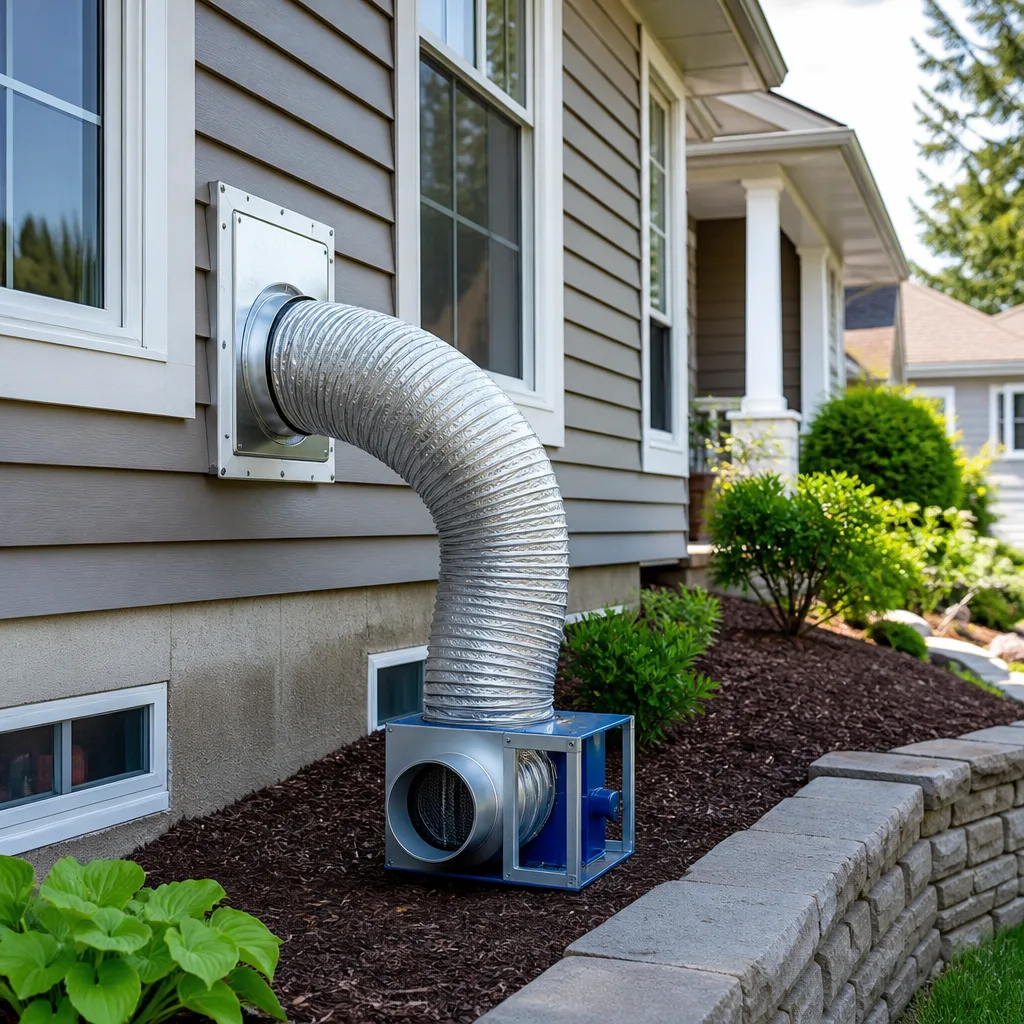 Whole-home duct cleaning
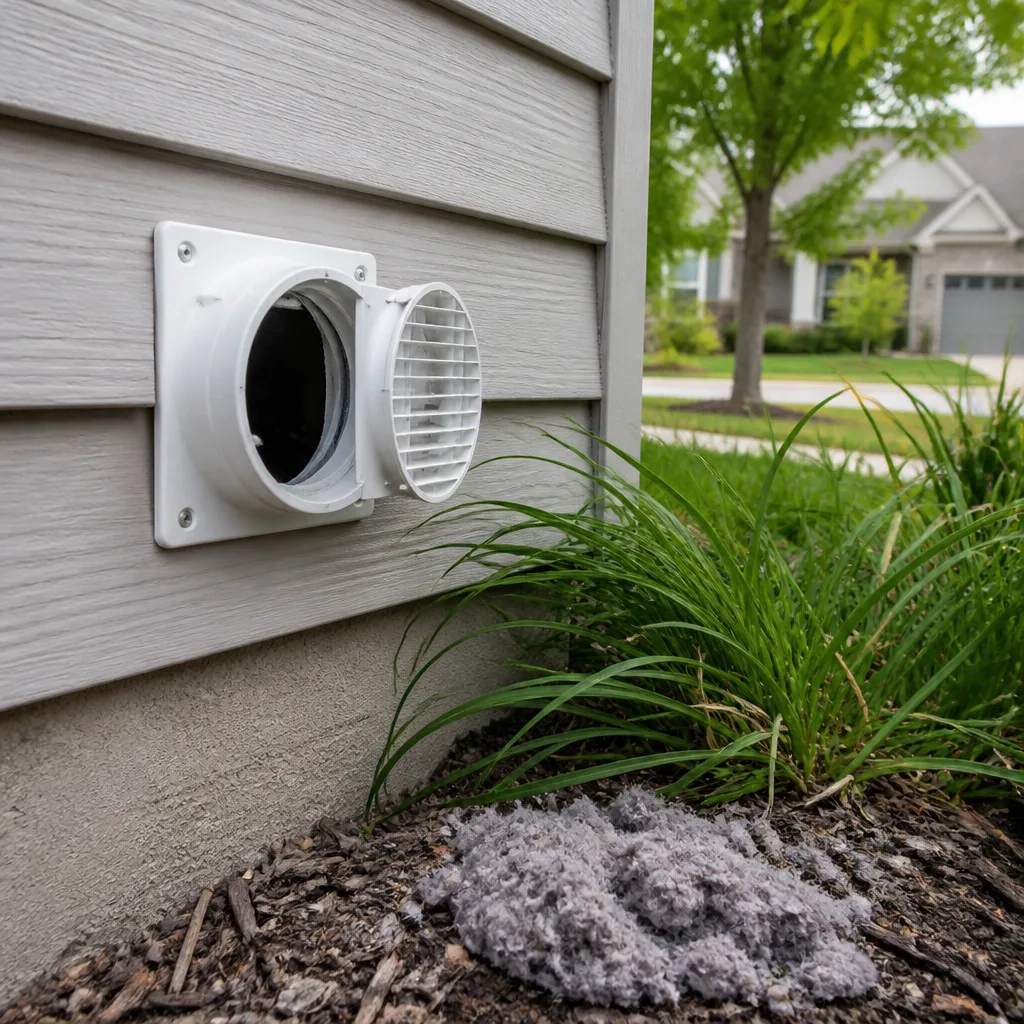 Dryer vent cleaning
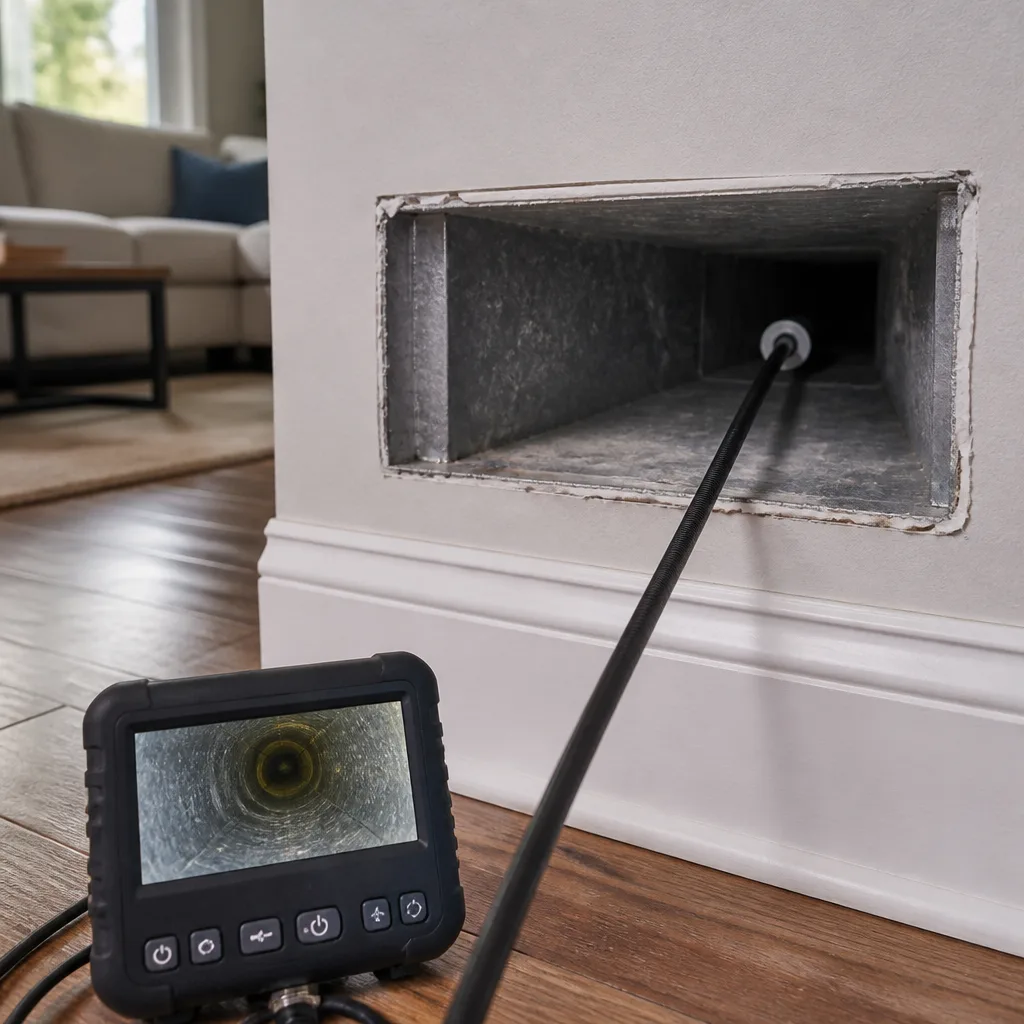 Camera inspection
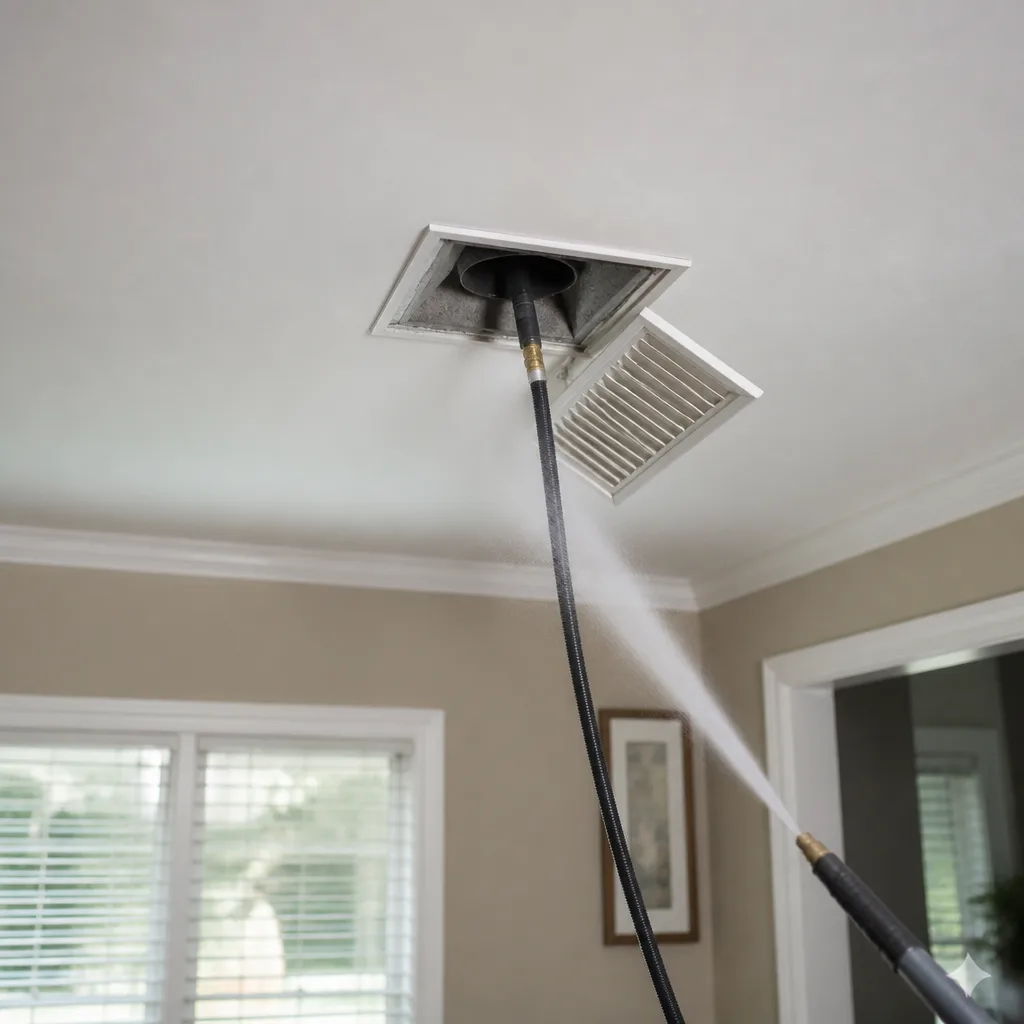 Sanitizing & deodorizing
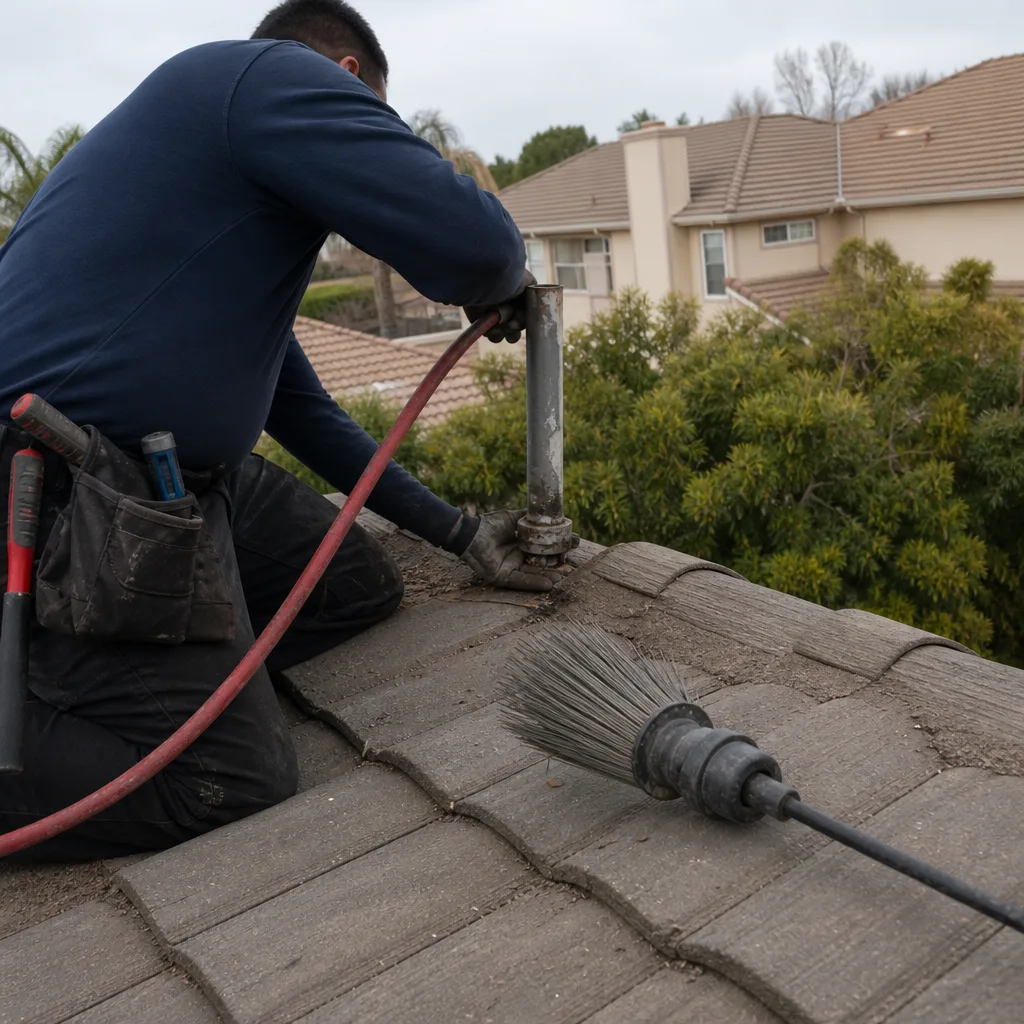
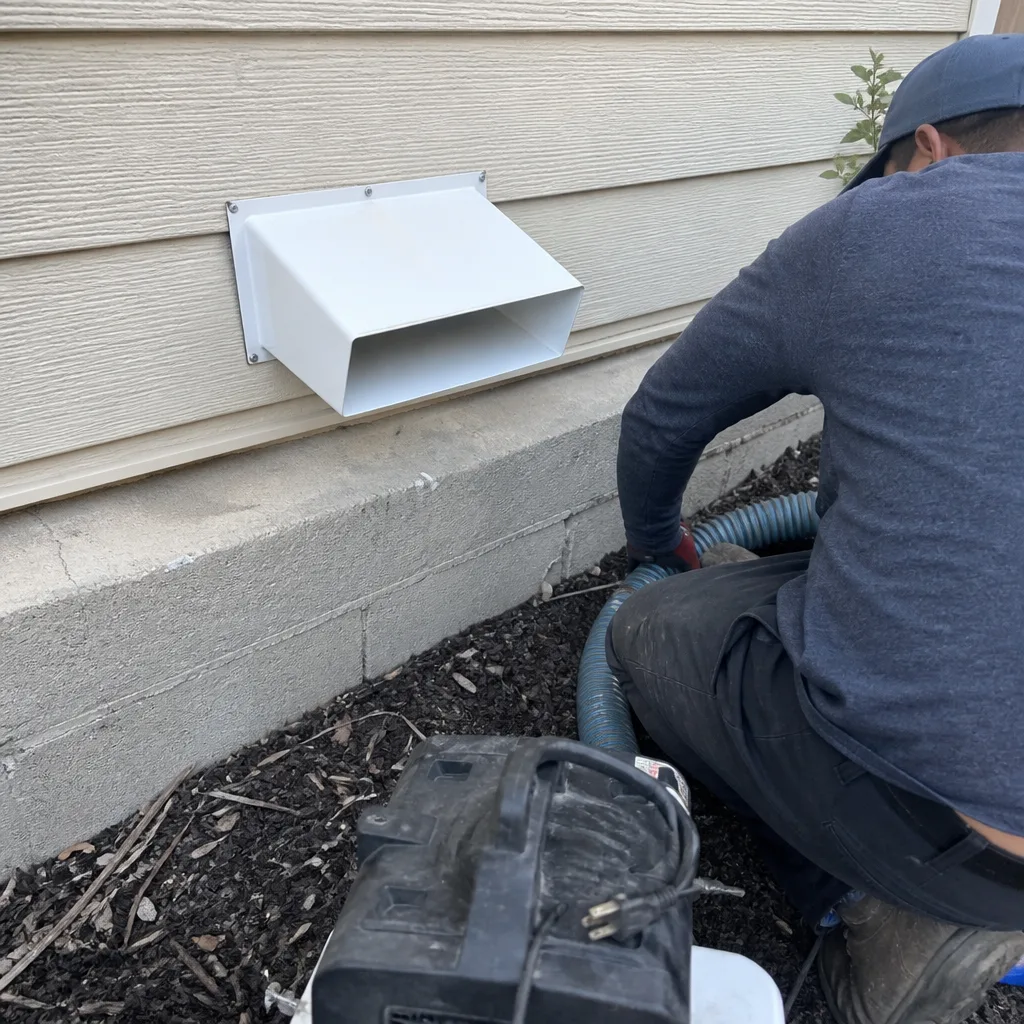
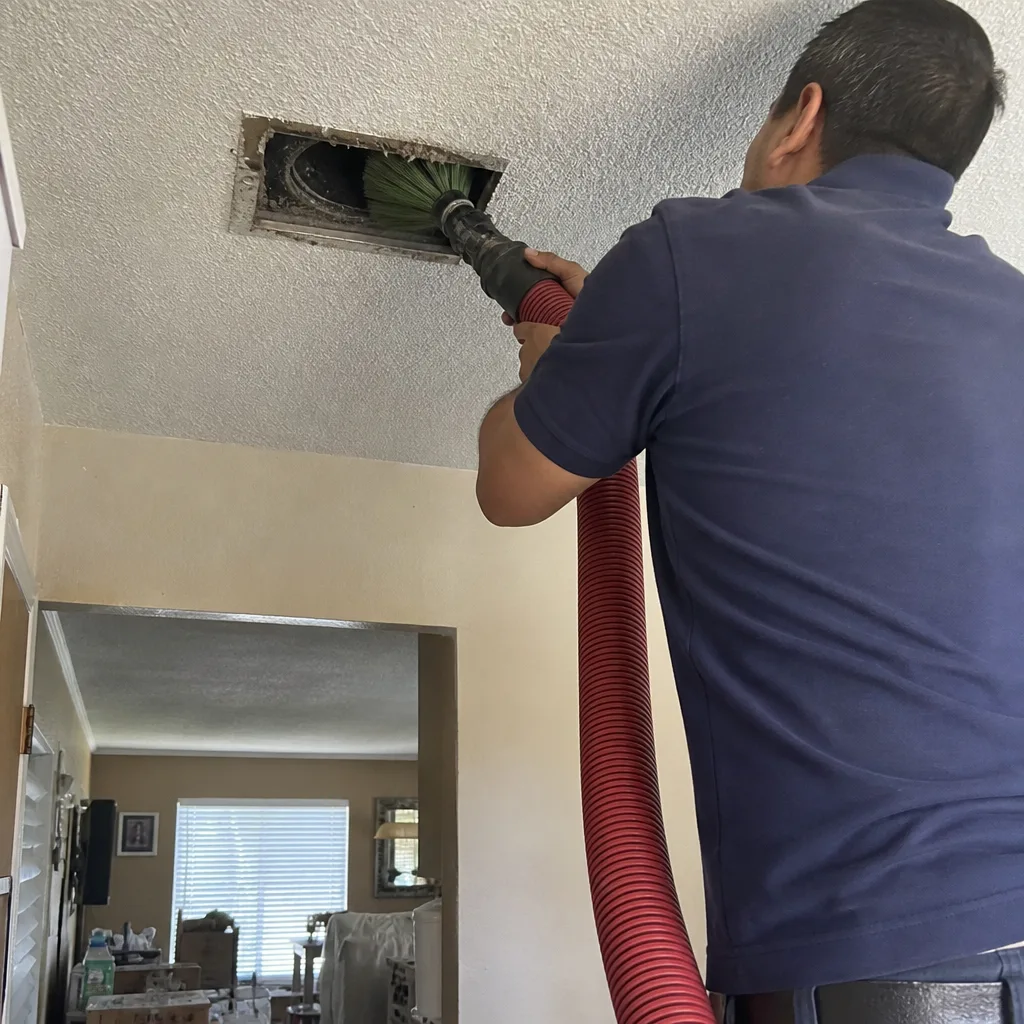
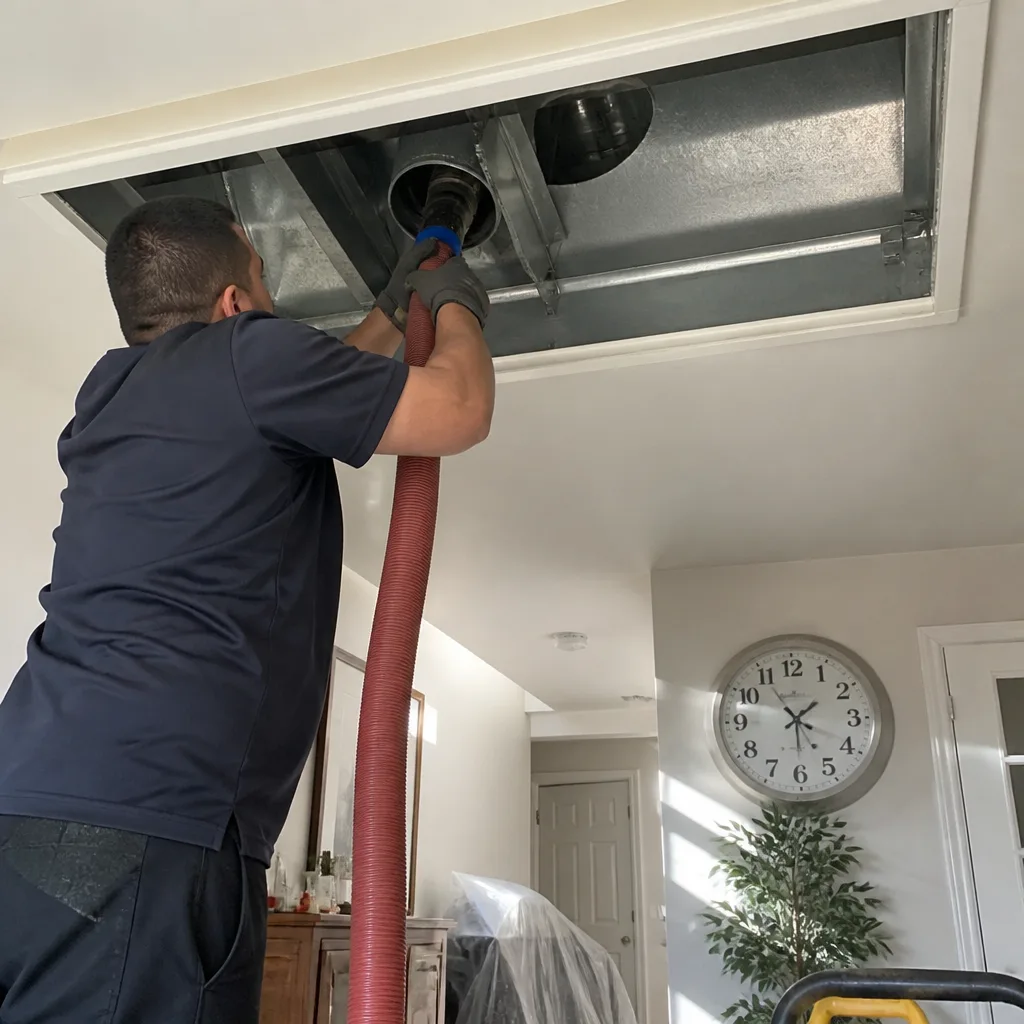
Whole-system duct and dryer vent check with before-and-after photos - you see exactly what came out of your vents
That "$99 whole-house special" is a bait ad - the real number appears once they are in your hallway, or the "clean" is a shop-vac at the register. We photograph the inside of your ducts before and after instead.
Air Duct Cleaning Warning Signs: A Clovis Homeowner’s Reference Guide
If one room in your Clovis home never reaches setpoint temperature in July regardless of how long the AC runs, the instinct is to call an HVAC tech. But in a meaningful share of cases we see, the cause is duct leakage or blockage upstream of the equipment, not the air conditioner itself. The compressor, coil, and blower can all be functioning exactly as designed while a disconnected duct joint in the attic quietly dumps conditioned air into unconditioned space. This guide walks you through the warning signs that point specifically to your duct system, how to test for them yourself, and when the problem has moved beyond what Air Duct Cleaning alone will fix.
Quick Answer
The most common air duct cleaning warning signs in Clovis homes are visible dust accumulating around registers within days of cleaning, rooms that never reach setpoint temperature, a musty or acrid odor that intensifies when the blower runs, and utility bills that climb without a matching change in weather or usage. For a deeper dive, see our The Complete Air Duct Cleaning Guide for Clovis Homeowners. If you’re seeing two or more of these signs together, the duct system is the probable source, not the HVAC equipment. A professional inspection with HEPA-filtered extraction equipment will confirm whether the issue is debris buildup, leakage, or both.
Styles & brands we work with
- Whole-home duct cleaning
- Dryer vent cleaning
- Camera inspection
- Sanitizing & deodorizing
Table of Contents
- The Airflow Diagnostic: Mapping Pressure Drop at Every Register
- Odor Classification: What Each Smell Actually Points To
- Dust at Registers After a Filter Change: Duct Bypass, Not Normal Operation
- The Three Utility Bill Patterns That Signal Duct Leakage
- Structural Warning Signs in Clovis Tract Homes (1980s – 2000s Construction)
- Allergy Flare-Ups and IAQ Patterns That Correlate With Duct Conditions
- Common Mistakes to Avoid
- When to Call a Professional
- Frequently Asked Questions
The Airflow Diagnostic: Mapping Pressure Drop at Every Register
Weak airflow is the most frequently misread warning sign in Clovis homes. A room that struggles to cool in August gets blamed on an undersized AC unit, a failing compressor, or a refrigerant leak. Often, the equipment is fine. The problem is that the duct run serving that room has been compromised somewhere between the plenum and the register.
Here’s a field test any homeowner can run in about ten minutes, no tools required beyond a tissue or an incense stick.
- Set the fan to ON at the thermostat. This isolates airflow from temperature. You want the blower running continuously so you can measure movement, not cooling.
- Close every interior door in the house. This neutralizes the pressure differential caused by return-air starvation in closed rooms, which can mask the real issue.
- Hold a single-ply tissue at each supply register. The tissue should lift to at least a 45-degree angle and hold there steadily. A fluttering, weak, or flat tissue means that register is starving for air.
- Repeat at every register and note the differences. A properly balanced duct system should deliver roughly comparable airflow to every room of similar size. If one bedroom registers strongly and another barely moves a tissue, the weak room is not an equipment problem. It’s a duct problem.
- Check return grilles separately. Hold the tissue against the return. It should stick firmly to the grille. A weak return pull means the return side of the system is restricted, which starves the supply side.
In our experience with Clovis tract homes, the rooms most likely to fail this test are the ones at the far end of the longest duct runs. Builders in the 1980s and 1990s frequently undersized or overextended flex duct runs to secondary bedrooms. If the master bedroom cools fine and the nursery or spare room doesn’t, that’s a signature pattern of duct resistance, not a failing AC.
What causes the pressure drop? The usual culprits are disconnected joints where flex duct meets a boot at the attic floor penetration, pinched or kinked flex runs compressed under insulation or stored boxes, and years of debris accumulation that has reduced the effective interior diameter of the duct. The first two are repair issues. The third is where professional cleaning with brush-contact extraction actually restores measurable airflow. Learn more about our approach on the Air Duct Cleaning in Clovis page.
Odor Classification: What Each Smell Actually Points To
Odors are diagnostic information. Homeowners tend to lump all duct smells into one category: “something smells.” But the specific character of the odor tells you which failure mode you’re dealing with, and it matters because the remedies are completely different.
Musty or damp-earth odor. This is the signature of microbial growth, which requires moisture. In Clovis, with its hot dry summers, the moisture source is usually condensation at a point where cool supply air meets warm attic air at a poorly sealed boot, or where a bathroom exhaust vent has been discharging into the attic. The smell intensifies when the blower runs because the airflow is passing over the affected surfaces and carrying the odor into living space. This is not a smell you should try to cover with scented filters. The source has to be removed and the moisture entry point sealed.
Acrid or electrical-burning odor. When dust and lint accumulate on or near the heat exchanger in a gas furnace, the first few heating cycles of the season can produce a burning smell that lingers longer than the normal seasonal dust burn-off. If the odor persists beyond the first hour of heating operation, do not ignore it. Debris in contact with hot surfaces is a fire risk. The ducts need to be opened and inspected, not just smelled.
Chemical or off-gassing odor. Older duct board, which is fiberglass pressed with a resin binder, can break down over decades. The binder may off-gas, and fiberglass particles can separate and enter the airstream. Homes in Clovis built in the 1970s through early 1980s are more likely to have duct board plenums and trunks. If you’re in one of those homes and you notice a persistent chemical smell, you may be looking at a replacement scenario rather than a cleaning scenario. Our Air Duct Repair in Clovis service covers duct board replacement and resealing.
Earthy, acrid, or ammonia-adjacent odor. This points to rodent intrusion. Rats and mice in Clovis attics use duct runs as highways. They nest in insulation, they chew through flex duct, and they leave waste in and around the system. The odor will be stronger at certain registers, depending on where the animal activity is concentrated. This requires removal, sanitation, and in many cases duct section replacement, because flex duct with chew holes cannot be effectively cleaned back to a sound condition.
Dust at Registers After a Filter Change: Duct Bypass, Not Normal Operation
You changed the filter two weeks ago. You’ve been running the system. And yet there’s a fine film of dust accumulating on the register grilles and on surfaces within a few feet of them. The standard advice is “you just need to dust more.” That advice is wrong.
If your filter is clean and seated properly, and you’re still seeing active dust deposition around supply registers, that dust is not coming through the filter. It’s being pulled into the return side of the system through gaps, or it’s already inside the duct runs downstream of the filter and is being pushed out by the blower. This is what the industry calls duct bypass.
The distinction matters because it tells you where the problem lives:
- Dust on the supply side only means the contamination is inside the supply duct runs, downstream of the filter. Cleaning the ducts addresses this directly.
- Dust on both supply and return grilles means the return side is pulling unfiltered air from somewhere: a disconnected return duct in the attic, an improperly sealed filter slot, or a return plenum with a gap at the cabinet.
- Dust concentrated in one room means that specific duct run is compromised, either at a joint or through a breach in the flex duct itself.
Here’s a simple way to distinguish duct-sourced dust from house dust settling naturally. Place a clean white sheet of paper on a table directly under a supply register. Run the fan on ON for one hour. If the paper collects a visible film during that hour, the airstream is carrying particulate. House dust settles over days. Duct-sourced dust arrives with the airflow, in hours.
Professional extraction with brush-contact systems like the Rotobrush and HEPA-filtered negative-air vacuums like Nikro units is designed to remove what’s actually adhered to the interior duct surfaces, not just what’s loose in the airflow. That distinction is the difference between a cleaning that changes the air quality in your home and one that just moves debris around.
The Three Utility Bill Patterns That Signal Duct Leakage
Rising energy bills get blamed on the air conditioner because the AC is the biggest electrical load in most Clovis homes. But duct leakage produces utility bill patterns that are identifiable if you look at them alongside weather data, and they don’t match the profile of a failing compressor or an undersized system.
Pattern one: summer spike without behavior change. If your July bill is 30 to 50 percent higher than the same month last year, and you haven’t changed the thermostat setpoint, added occupants, or changed your appliance usage, something mechanical changed. A failing AC will typically show gradual degradation year over year. Duct leakage can appear suddenly, because a duct joint that was marginal finally separates, and suddenly a third of your conditioned air is ventilating the attic.
Pattern two: inconsistent month-over-month variance. A duct-leaky system produces bills that don’t track cleanly with outdoor temperature. You’ll see a hot day produce a disproportionate spike, followed by a mild week where the bill doesn’t drop as much as it should. This is because the leakage rate changes as duct joints flex with attic temperature swings. Equipment inefficiency is steadier. Duct leakage is variable.
Pattern three: high bills despite disciplined thermostat setback. If you’re setting back to 78 or 80 during the day while the house is empty, and your bills are still climbing, the system is working against itself. Sealed ducts retain the cool air the equipment produces. Leaky ducts lose a meaningful portion of that cool air before it ever reaches a room, which means the thermostat never satisfies as quickly, which means longer run times, which means more energy consumed for the same comfort result.
The United States Department of Energy has estimated for years that typical duct systems lose 20 to 30 percent of conditioned air to leaks, holes, and poorly sealed connections. In Clovis tract homes, where attic temperatures routinely exceed 130 degrees in summer, the loss can be worse. Hot attics increase the pressure difference between the duct interior and the surrounding space, which pulls more conditioned air out through any gap that exists.
All of this falls within the full-scope approach we take at Duct Cleaning Clovis home: the system is inspected for leakage and buildup at the same time, because the two problems frequently coexist and each makes the other worse.
Structural Warning Signs in Clovis Tract Homes (1980s – 2000s Construction)
Clovis experienced its big residential build-out between the mid-1980s and the late 2000s. The typical home from this era has a specific duct architecture: a sheet metal or duct board plenum in the attic, with insulated flex duct runs dropping down to interior walls. This design is not inherently bad, but it has predictable failure modes, and they’re all visible if you know where to look.
Sagging flex duct. Flex duct is a wire coil wrapped in insulation and an outer vapor barrier. Over decades, the insulation compresses, the wire fatigues, and the run begins to sag between supports. A sagging duct creates a low point where condensation can collect, and it reduces the effective interior diameter at the bend points. If you can see visible droop in a duct run when you’re in the attic, that run is not moving the volume of air it was designed to move.
Disconnected joints at attic floor penetrations. Where a flex duct connects to a ceiling boot, the connection is typically secured with a zip tie and sealed with foil tape or mastic. Thermal cycling loosens these connections over time. In Clovis, where attic temperatures swing from the 30s in winter to above 130 in summer, the expansion and contraction cycle is aggressive. A disconnected or partially disconnected boot means the system is pushing air into the attic cavity around the boot, not into the room.
Deteriorated duct board in older systems. Duct board, which is a rigid fiberglass product, was common in Clovis homes built before roughly 1995. After 30 to 40 years, the interior surface can delaminate, releasing fiberglass particles into the airstream and reducing the smoothness of the duct wall, which increases resistance. Duct board that has been wet at any point is particularly prone to breakdown. This is a replacement situation, not a cleaning situation, and it falls under our Air Duct Repair in Clovis scope.
Crushed or kinked flex runs. Attics get used for storage. Christmas decorations, luggage, and boxes of old paperwork end up resting on top of duct runs. Flex duct is not designed to bear weight. A partially crushed run can reduce airflow by half or more without any visible tear in the outer jacket.
Allergy Flare-Ups and IAQ Patterns That Correlate With Duct Conditions
Allergy symptoms are the reason many Clovis homeowners first start thinking about their ducts. The logic is straightforward: if the air in the house is making someone sneeze, and the air passes through the duct system, then the duct system is suspect.
The connection is real, but it’s specific. Ducts don’t generate allergens on their own. What they do is recirculate them. A duct system with significant interior debris, especially dust that has been moistened at some point and then dried, becomes a reservoir. Every time the blower cycles, it picks up a portion of that reservoir and distributes it through the living space.
Clovis residents face a seasonal double load: spring pollen from the San Joaquin Valley’s agricultural surroundings and fall dust from the region’s dry season. If your symptoms are worst in the first 20 minutes after the AC kicks on, or if they wake you up at night when the system cycles, that timing pattern points to duct-distributed particulate rather than ambient pollen entering through open windows.
For homes with Honeywell whole-home filtration systems or Aprilaire media filters, the interaction with duct condition matters. These systems are designed to capture particles from the airstream as it passes through the return. But they can only capture what reaches them. If the return side of the duct system is pulling unfiltered air from the attic, or if the supply side is loaded with debris downstream of the filter, even a high-end filtration system cannot compensate. Cleaning the ducts upstream of a Honeywell or Aprilaire system restores the filtration equipment to its intended operating condition. The two work together, or they don’t work at all.
Common Mistakes to Avoid
- Replacing the AC before inspecting the ducts. If the compressor and coil test fine but airflow is weak, a new unit will not fix the problem. You’ll spend five figures and end up with the same warm bedroom. Inspect the duct system before committing to equipment replacement.
- Assuming a clean filter means clean ducts. The filter protects the equipment, not the ductwork. Debris inside the duct runs downstream of the filter is untouched by a filter change, and gaps in the return side allow unfiltered air to bypass the filter entirely.
- Running the fan continuously to compensate for weak airflow. This masks the symptom and raises the electric bill. Continuous fan operation burns blower motor life and does not address a disconnected or crushed duct run.
- Sealing registers in unused rooms. Closing off registers raises static pressure in the system, which can force more air out of existing leaks and reduce overall system airflow. Ducts are not designed to operate against artificially closed branches.
- Treating odors with scented filters or duct fresheners. A musty or acrid odor has a source. Masking it leaves the source in place and adds chemicals to the airstream. Identify and remove the cause.
- Delaying dryer vent service because the dryer “still works.” A dryer that takes two cycles to dry a load is running against a restricted vent, and that restriction is lint, which is combustible. Dryer vent cleaning is a fire-safety measure first and an efficiency measure second. Read more on the Dryer Vent Cleaning in Clovis page.
- Assuming all duct cleaning companies use equivalent equipment. The difference between a shop vac attached to a register and a professional brush-contact extraction system with HEPA-filtered negative air is the difference between loosening debris and actually removing it. Ask what equipment will be on the truck before you book.
When to Call a Professional
You don’t need to wait for a complete system failure to bring in a specialist. The time to call is when you have identified a pattern: a room that consistently fails the tissue test, an odor that returns within days of running the blower, active dust deposition from supply registers, or utility bills that no longer track with weather. Each of these on its own is worth an inspection. Two or more together is a clear signal that the duct system has a problem that is not going to resolve on its own. Browse more guides & resources to help identify issues early.
Some conditions require repair, not just cleaning. Disconnected boots, crushed flex runs, chewed duct sections, and deteriorated duct board all fall into that category. That’s why we built Duct Cleaning Clovis as a full-scope operation: cleaning, repair, and dryer vent service under one roof, with professional-grade equipment like Rotobrush, Nikro, and Abatement Technologies units on the job. If you’re evaluating providers, read Choosing the Right Air Duct Cleaning Brand: A Buyer’s Guide for Clovis. Duct Cleaning Clovis offers free estimates in Clovis. Call (855) 661-0630 to schedule an inspection.
Frequently Asked Questions
Run the tissue test at each register with the fan on, and check for dust accumulation around registers within days of a filter change. Weak airflow at specific registers, visible dust deposition while the fan runs, and odors that intensify with airflow are duct indicators. If the AC cools the air at the unit but rooms still don’t reach temperature, the problem is distribution, not production.
Professional duct cleaning in Clovis typically ranges from $450 to $900 for a full system, depending on the number of duct runs, accessibility of the attic, and whether the system has been cleaned before. Prices for a single flat rate per system with no per-vent upcharges are standard among reputable providers. Get a written estimate that specifies scope and equipment before work begins. Call (855) 661-0630 for an exact quote on your specific system.
Low-price duct cleaning is typically a marketing door opener for a van that arrives with a small portable vacuum and a brush. The technician spends 45 minutes on the job, “cleans” what’s reachable from the registers, and leaves the majority of the debris in place. Professional systems like Rotobrush and Nikro units cost tens of thousands of dollars and operate on a different principle: brush contact to dislodge debris and HEPA-filtered negative air to extract it. The job takes hours, not minutes, and the difference is visible in the results.
A professional duct cleaning company should provide before-and-after photos of the interior of your ducts, taken from access points opened in the plenum and trunk lines. You’re looking for a visible change in the interior surface, not just a pile of debris on a tarp. If a company can’t or won’t show you the interior of your ducts before and after, you have no way to verify the work. For our Clovis customers, we document every job with camera access into the duct interior before extraction begins and after it’s complete.
The National Air Duct Cleaners Association recommends cleaning every 3 to 5 years for most homes. Clovis homes with pets, occupants with allergies or respiratory conditions, recent remodeling, or a history of rodent activity in the attic may need cleaning more frequently. A home that has never been cleaned and is more than 15 years old should be inspected regardless of the calendar.
Not directly, but the conditions that make ducts dirty often coincide with conditions that waste energy. A duct system that’s accumulated enough debris to restrict airflow is also likely to have leaks at joints and connections. Restricted airflow forces the blower to run longer to satisfy the thermostat, and leaks dump conditioned air into the attic. The combination produces the bill patterns described above: spikes without behavior change, inconsistency, and stubbornly high usage despite setback discipline.
The Bottom Line
Weak airflow, rising bills, persistent odors, and dust that returns days after cleaning are not random household annoyances. They are diagnostic information pointing at the duct system, and in Clovis tract homes built between 1980 and the early 2000s, the failure modes are predictable: disconnected boots, sagging flex runs, crushed duct from attic storage, and decades of debris accumulation. Before you replace an air conditioner or accept that one room will never be comfortable, inspect the ducts. And remember that cleaning alone is not the answer when the ducts are damaged. Clean ducts. Repaired ducts. One company, start to finish. Call (855) 661-0630 for a free estimate.
Written by the team at Duct Cleaning Clovis, serving Clovis since 2012.
See the difference
 Before
 After
 Before
 After
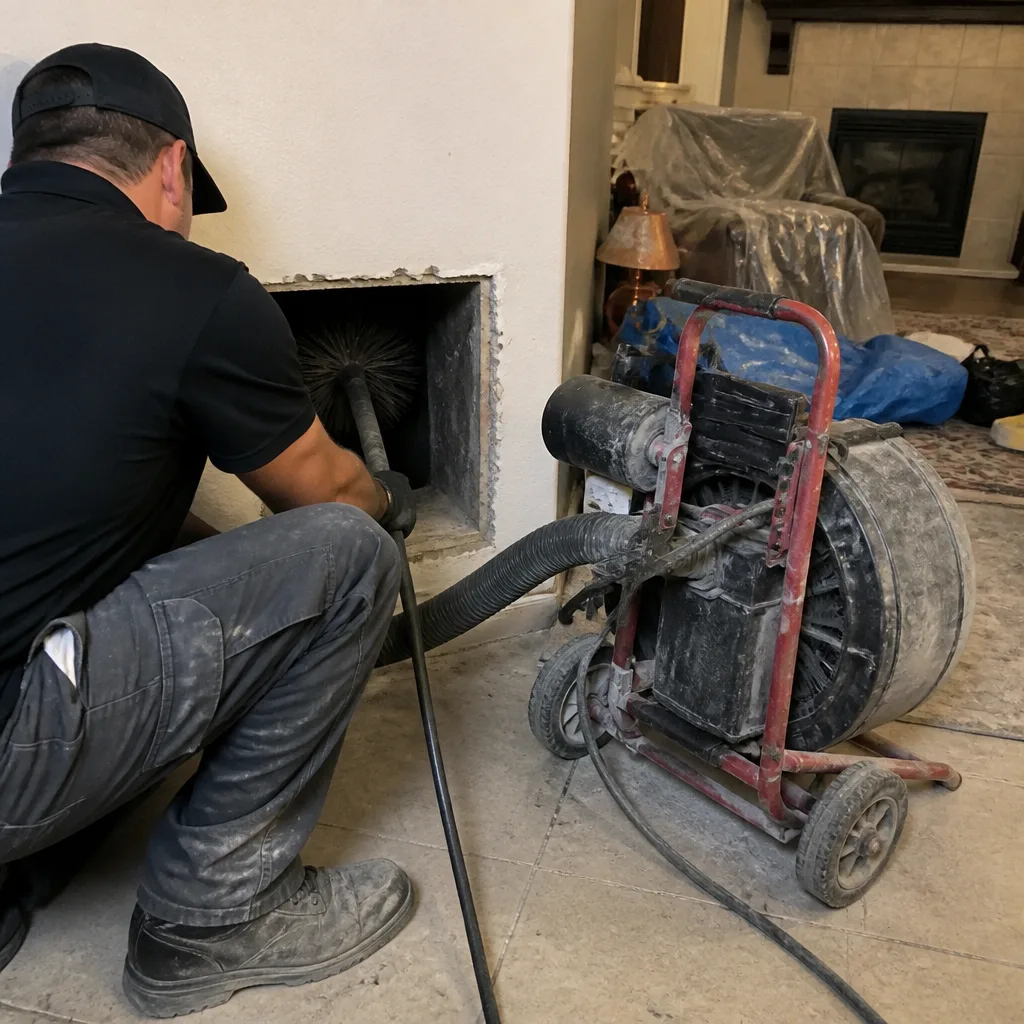 Before
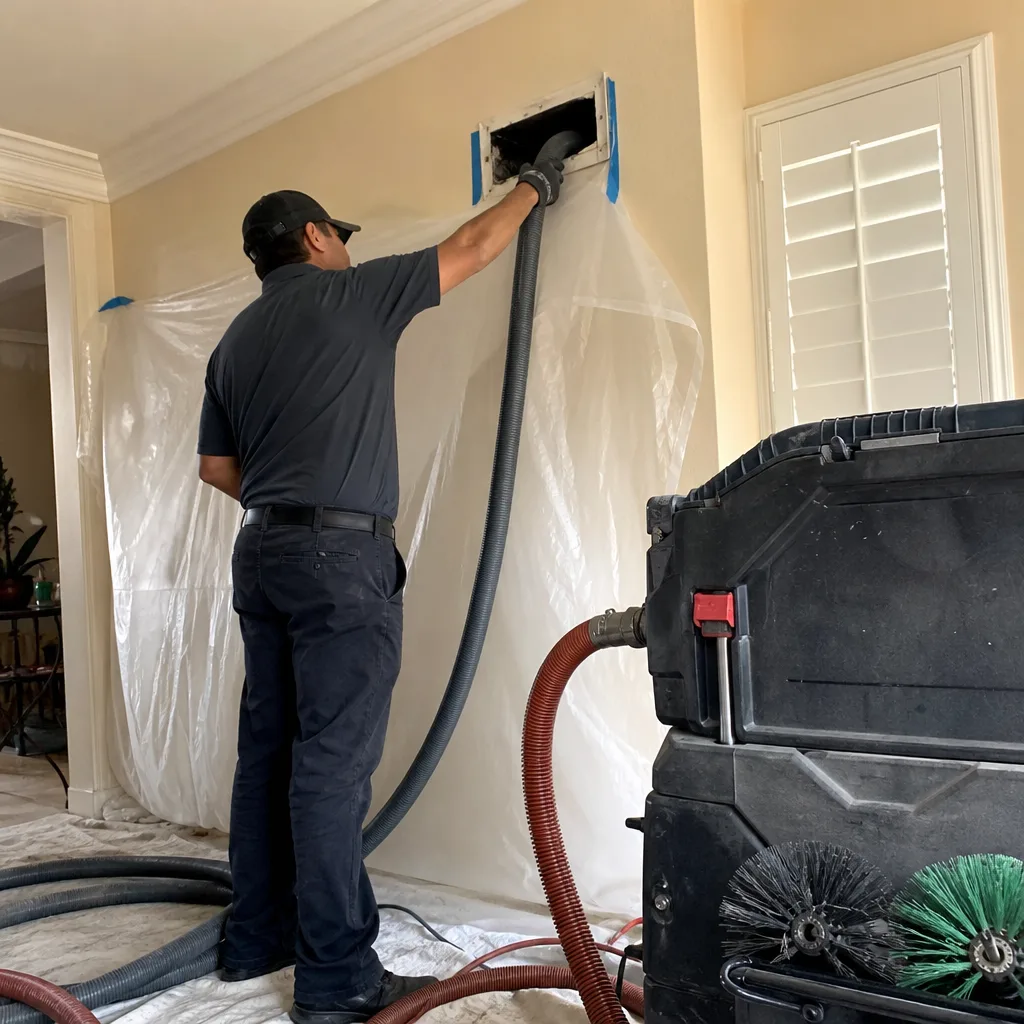 After