
Last updated November 2, 2026
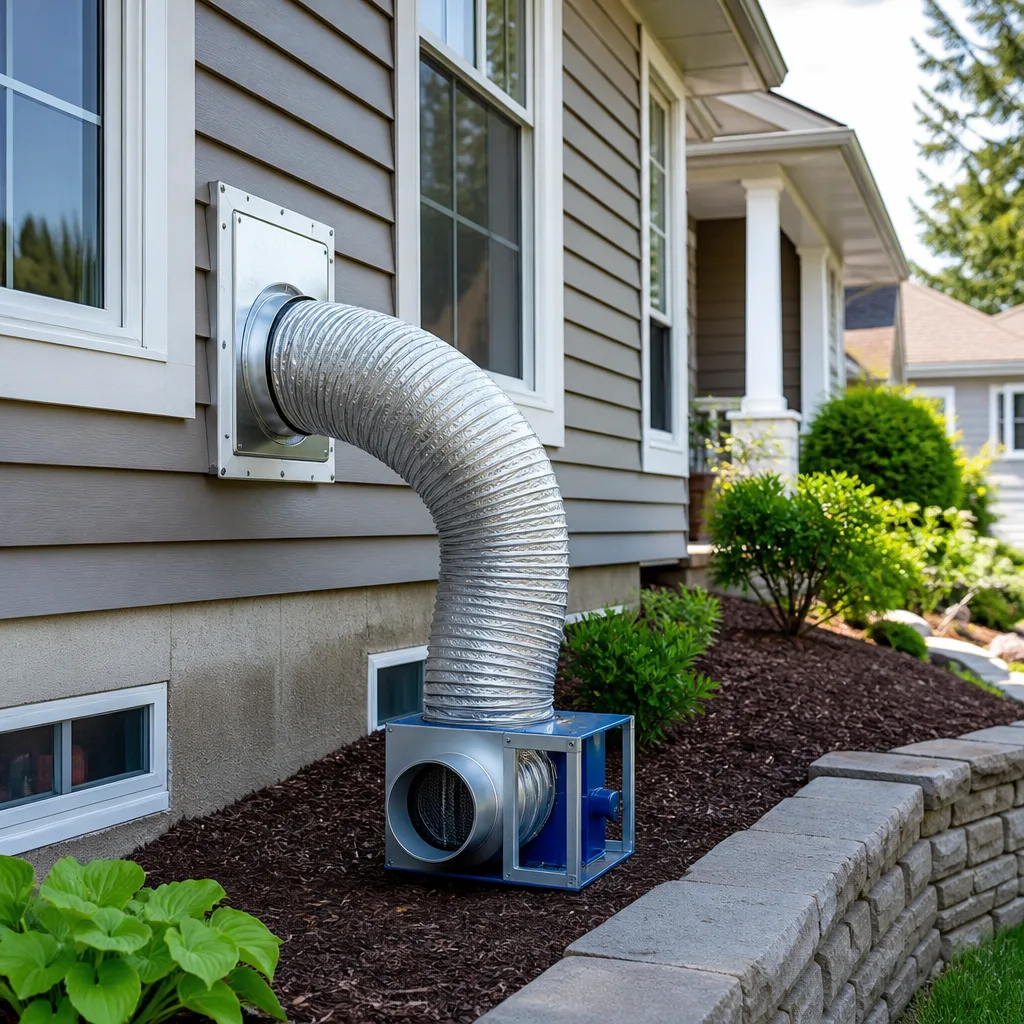 Whole-home duct cleaning
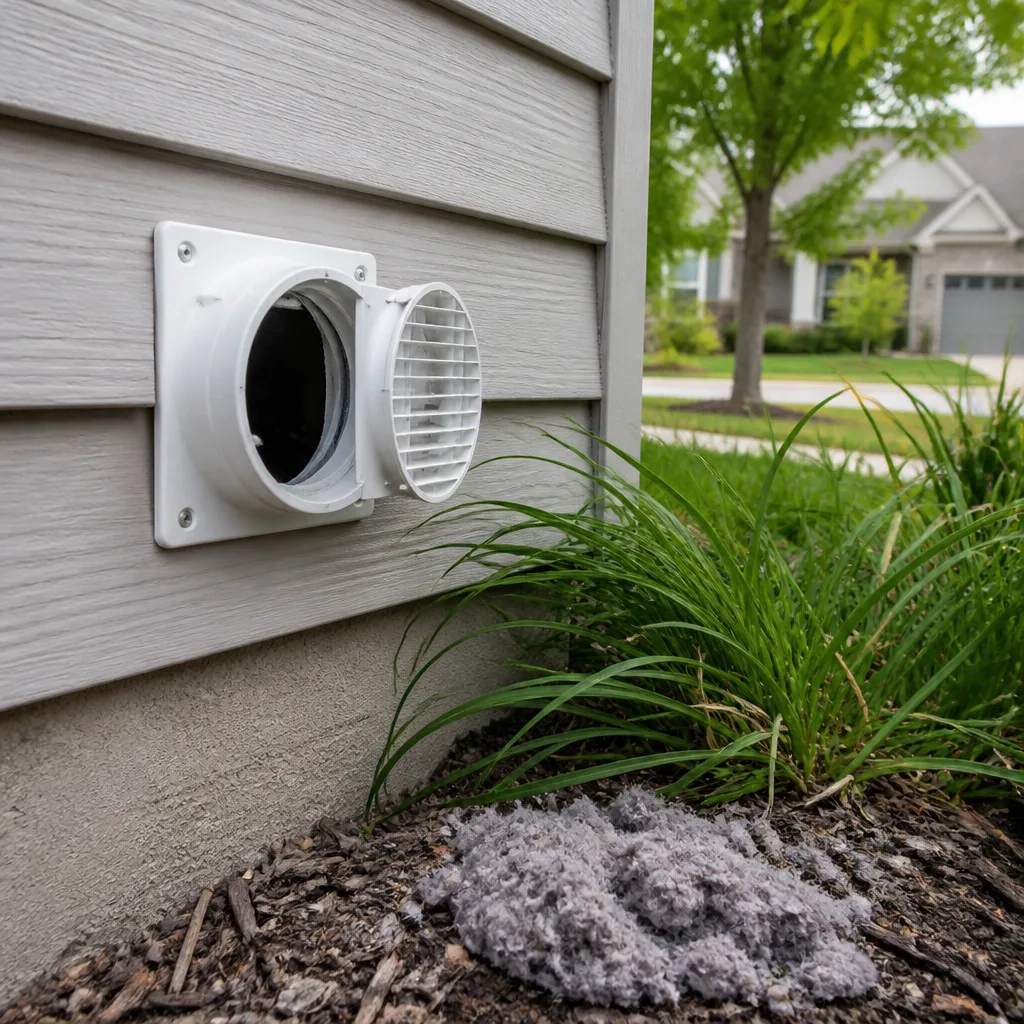 Dryer vent cleaning
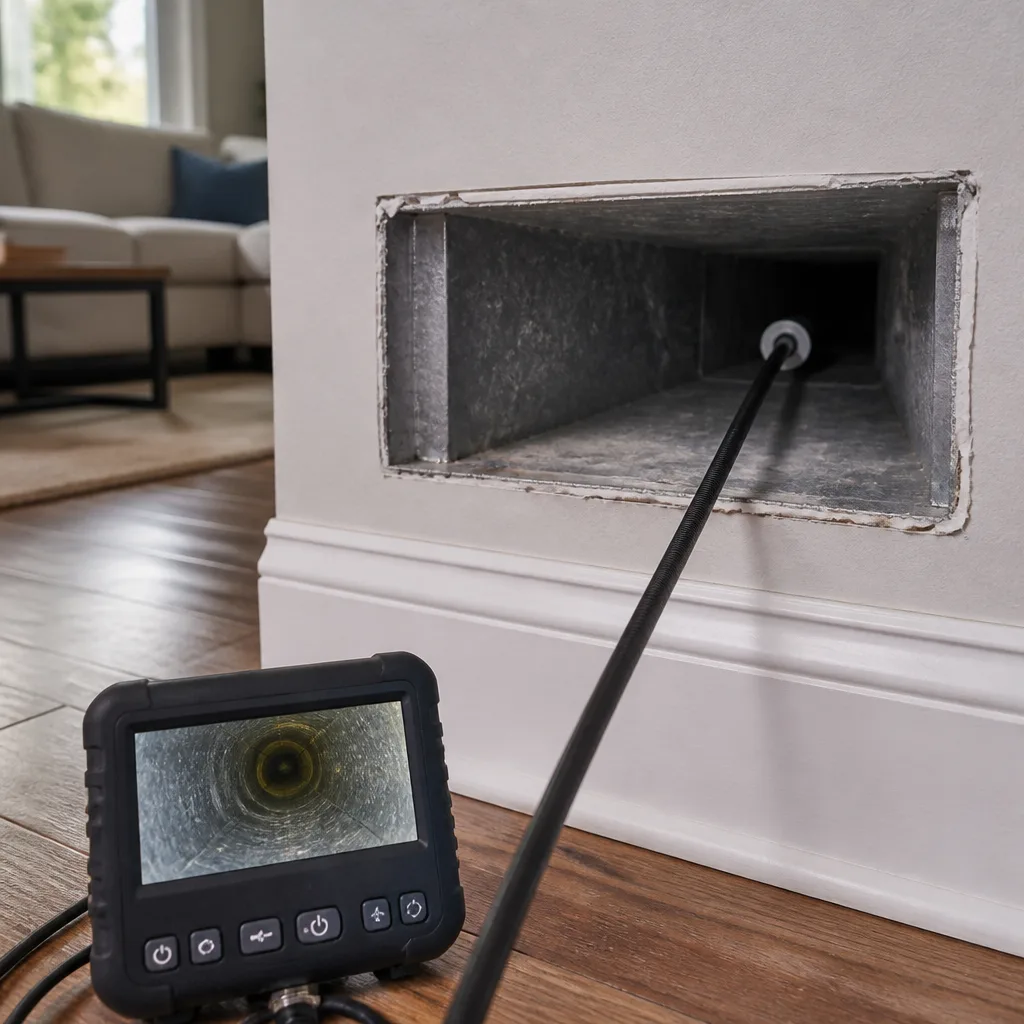 Camera inspection
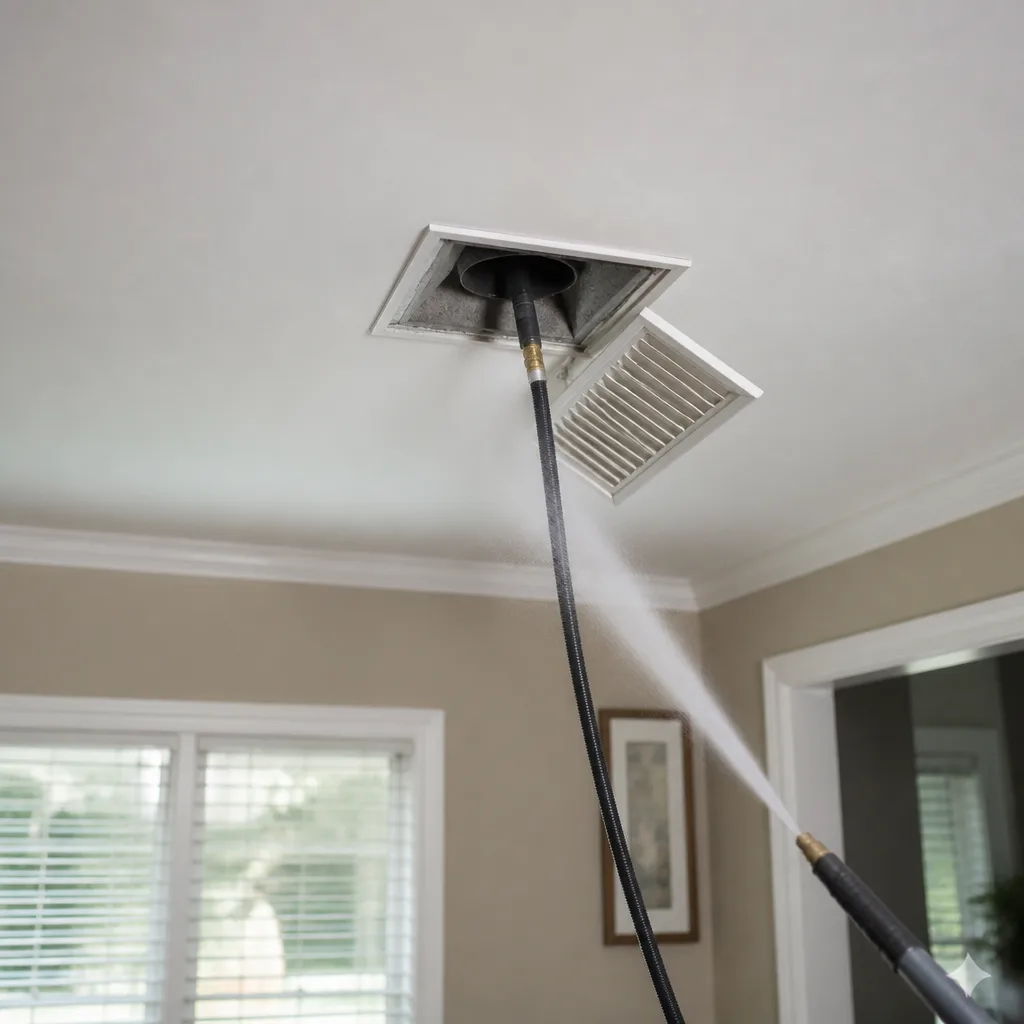 Sanitizing & deodorizing
Whole-system duct and dryer vent check with before-and-after photos - you see exactly what came out of your vents
That "$99 whole-house special" is a bait ad - the real number appears once they are in your hallway, or the "clean" is a shop-vac at the register. We photograph the inside of your ducts before and after instead.
Choosing the Right Air Duct Cleaning Brand: A Buyer’s Guide for Clovis
Here’s something most Clovis homeowners don’t realize: the brand names in air duct cleaning matter far less than the equipment tier they represent. A company can print “professional duct cleaning” on the side of a van and still show up with a portable vacuum that produces less suction than a mid-range shop vac. The brand discussion isn’t about consumer loyalty. It’s about mechanical capability. In The Complete Air Duct Cleaning Guide for Clovis Homeowners, you’ll learn how to evaluate the actual machines behind the marketing, why source-removal contact cleaning differs from air-whip agitation, and what to ask before anyone walks through your door in Clovis.
Styles & brands we work with
- Whole-home duct cleaning
- Dryer vent cleaning
- Camera inspection
- Sanitizing & deodorizing
Quick Answer
The right air duct cleaning brand for a Clovis home is whichever contractor runs professional-grade source-removal equipment with documented HEPA filtration, not a portable vacuum system. Ask for the extraction unit’s model number and CFM rating. If the contractor hesitates, you have your answer.
Table of Contents
- The Three Equipment Tiers That Define Duct Cleaning
- Why Rotobrush Contact Cleaning Beats Air-Whip Agitation
- Nikro vs. Abatement Technologies: HEPA Containment Explained
- How to Verify Equipment Claims in 30 Seconds
- Full-Scope Capability: Why Cleaning Plus Repair Matters
- Dryer Vent Cleaning: The Fire-Safety Variable
- Duct Work and Whole-Home Filtration: The Honeywell and Aprilaire Factor
- Common Mistakes to Avoid
- When to Call a Professional
- Frequently Asked Questions
- The Bottom Line
The Three Equipment Tiers That Define Duct Cleaning
When you call three different duct cleaning companies in Clovis and get three wildly different quotes, the explanation usually sits in the equipment bay, not the marketing department. There are three distinct tiers of duct cleaning machinery, and each one determines what the crew can physically accomplish inside your ductwork.
Tier 1: Portable vacuum systems. These are the machines that give duct cleaning a bad reputation. A portable unit generates roughly 150 to 400 CFM (cubic feet per minute) of airflow. That’s enough to pull loose dust from the first few feet of a return duct. It is not enough to create negative pressure through an entire trunk line, which means debris beyond the immediate reach of the hose stays exactly where it was. If a company’s entire rig fits through a standard doorway in one trip, they’re running Tier 1 equipment. These systems are marketed heavily to price-sensitive homeowners, and they deliver exactly what you’d expect from a machine that costs less than a set of good tires.
Tier 2: Truck-mounted extraction units. This is the professional baseline. Truck-mounted systems generate 10,000 to 14,000 CFM of suction, creating genuine negative pressure across the full duct network. When combined with agitation tools, they can remove years of accumulated debris from supply and return lines. Most legitimate duct cleaning operations run Tier 2 equipment. The limitation is reach. Longer hose runs from the truck to the attic or crawl space reduce effective suction, and the agitation method still determines how much debris actually releases from duct walls.
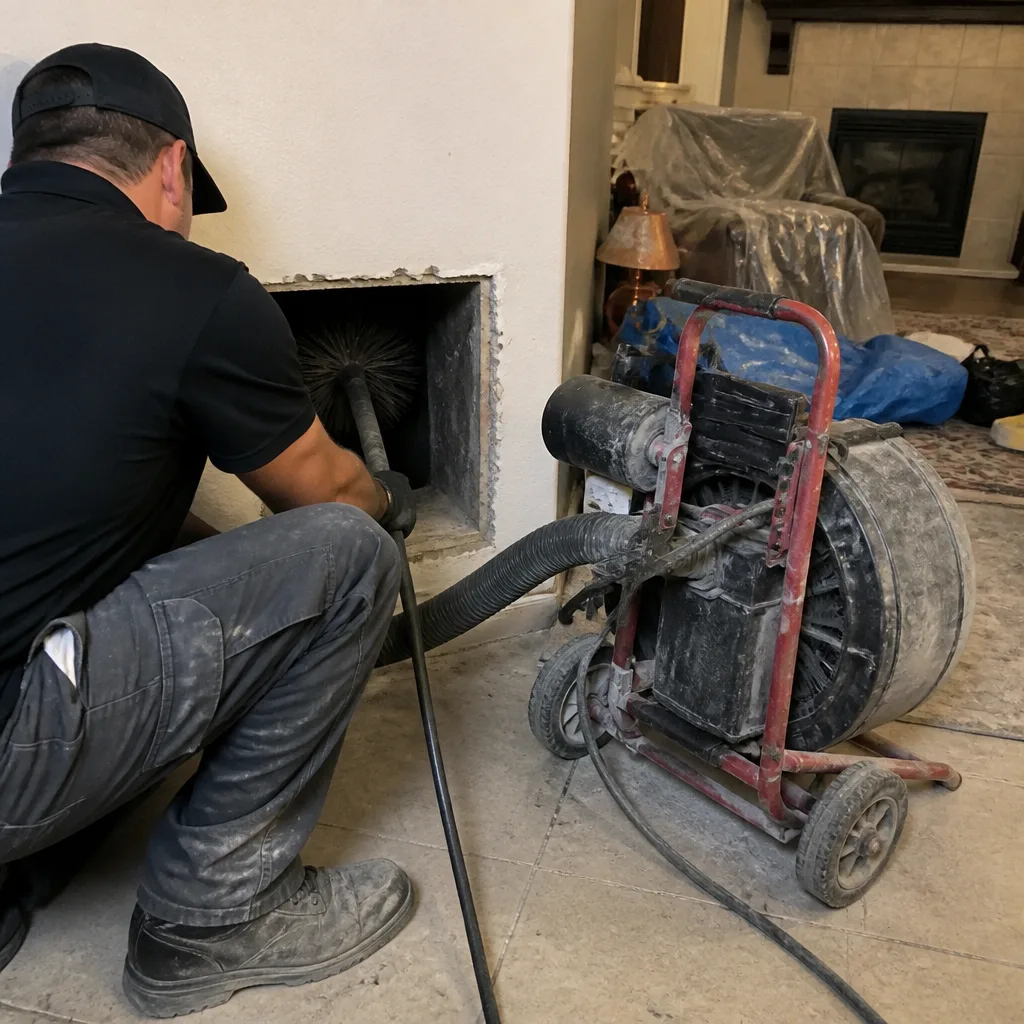
Tier 3: Source-removal systems with contact agitation. This is where specific brand names enter the conversation for legitimate reasons. Rotobrush systems pair the high-CFM extraction of a truck-mounted unit with motorized brush heads that physically scrub duct surfaces. The brush makes contact with the metal or flex duct interior, mechanically breaking the bond between debris and duct walls before the vacuum removes it. This is the standard used in fire and flood restoration work, where the debris load is severe and the cleanliness requirement is absolute.
In Clovis, where summer air conditioning runs for months and dust from the surrounding agricultural valley settles into homes, the difference between Tier 1 and Tier 3 is the difference between moving dust around and actually removing it.
Why Rotobrush Contact Cleaning Beats Air-Whip Agitation
The agitation method is where duct cleaning companies either earn their money or fake it. Most companies running Tier 2 truck-mounted equipment rely on air-whip agitation: a compressed-air wand with flailing plastic tines that blast debris off duct surfaces. Air whips do work on loose, dry debris. They’re significantly less effective on the caked-on film that accumulates in ducts that haven’t been cleaned in a decade or more.
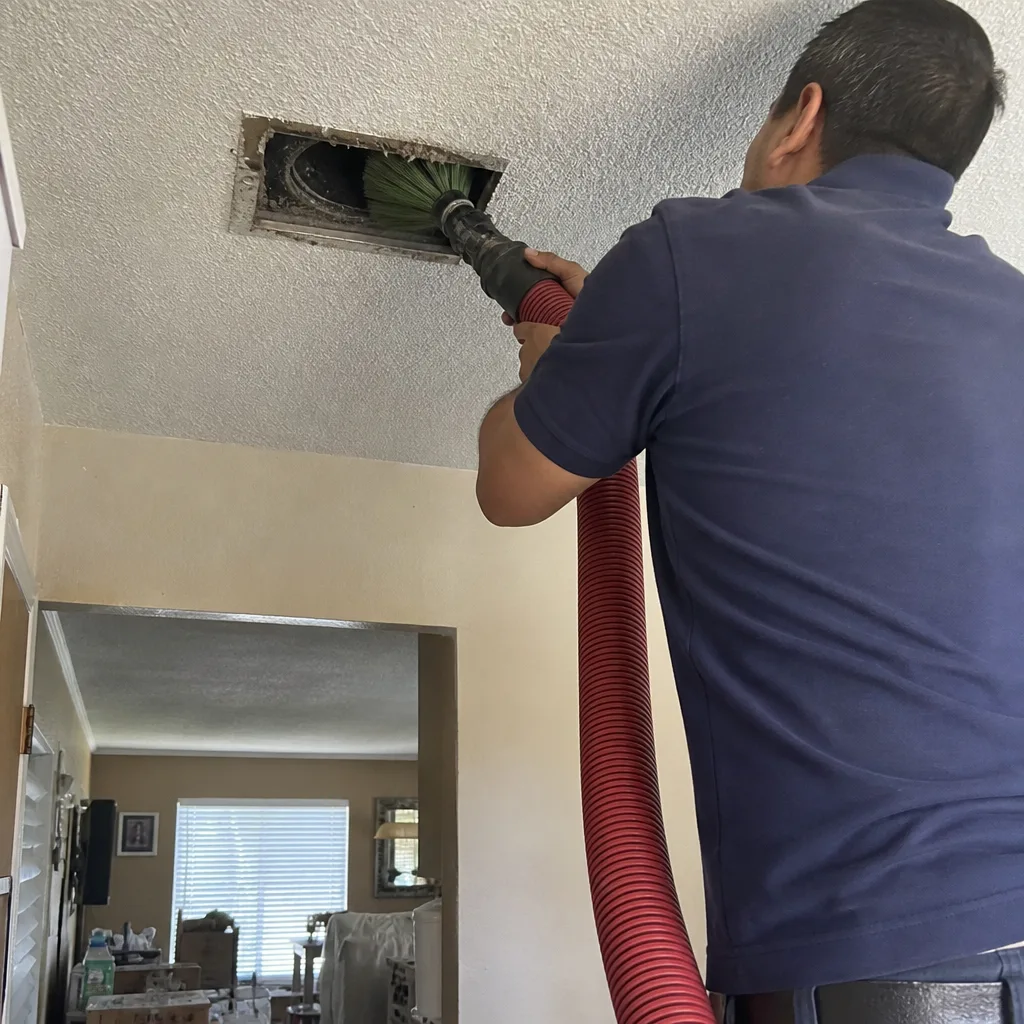
Rotobrush contact cleaning is a different mechanical process entirely. A motorized brush head rotates against the duct surface at high speed while the extraction system pulls the dislodged debris out simultaneously. The bristles physically scrape the duct walls. This matters for the air quality in your Clovis home because the debris you’re trying to remove isn’t always loose and fluffy. Over years of heating and cooling cycles, dust mixes with condensation, cooking oils, pet dander, and smoke residue to form a coating that adheres to duct surfaces. Air-only agitation might knock off twenty percent of it. Contact agitation removes a far higher percentage.
There’s also a material compatibility question. Contact brushing is ideal for sheet metal ducts, which are rigid enough to withstand mechanical agitation without damage. For flex duct, the equation changes. Aggressive contact brushing can tear or dislodge flexible ductwork if the operator isn’t careful. A competent duct cleaning company adjusts its approach by duct material. This is the kind of nuance that separates a specialist from a generalist who treats every duct system the same way. When you’re evaluating a company in Clovis, ask how they handle flex duct specifically. If they don’t have a differentiated answer, they don’t have differentiated capability.
Here’s the sequence for professional source-removal cleaning with contact agitation:
- Inspection of duct material, access points, and existing damage before any equipment enters the system
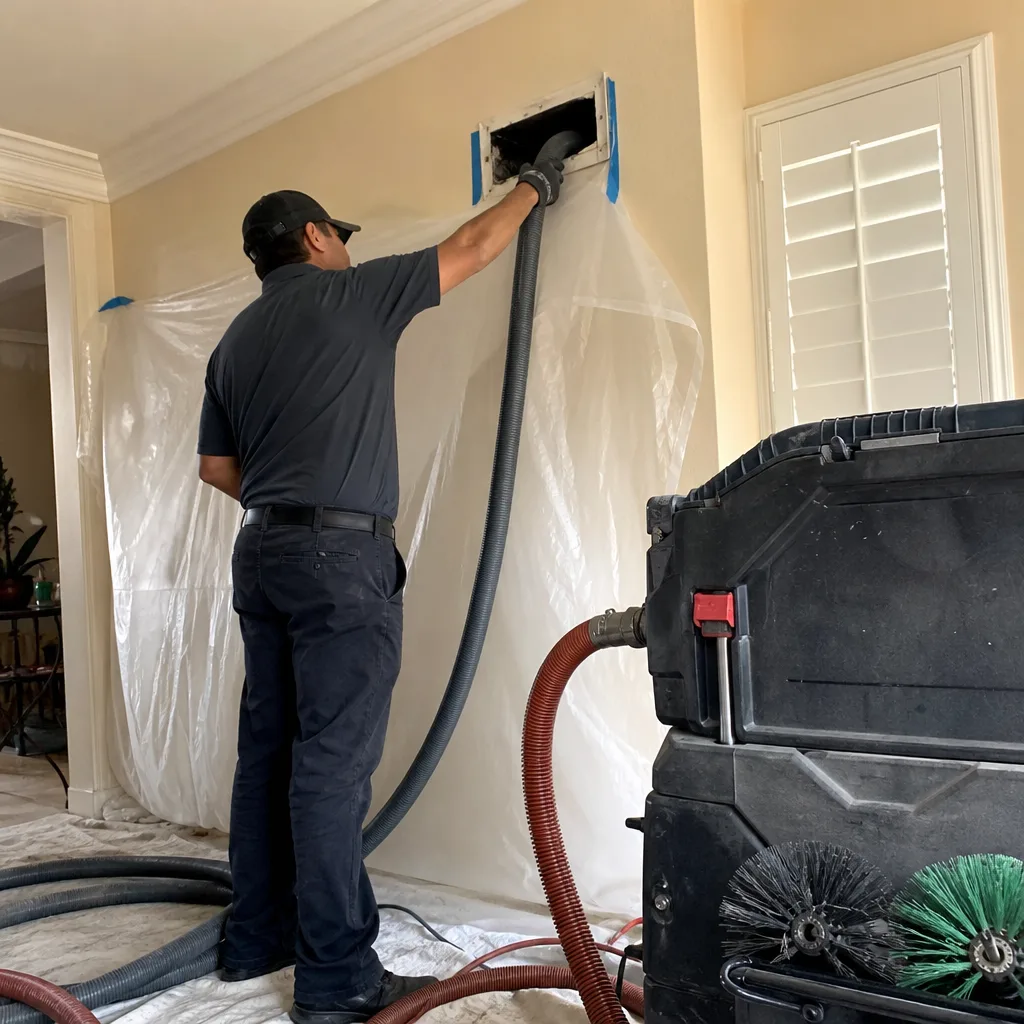
- Sealing of supply registers and return grilles to create controlled negative pressure
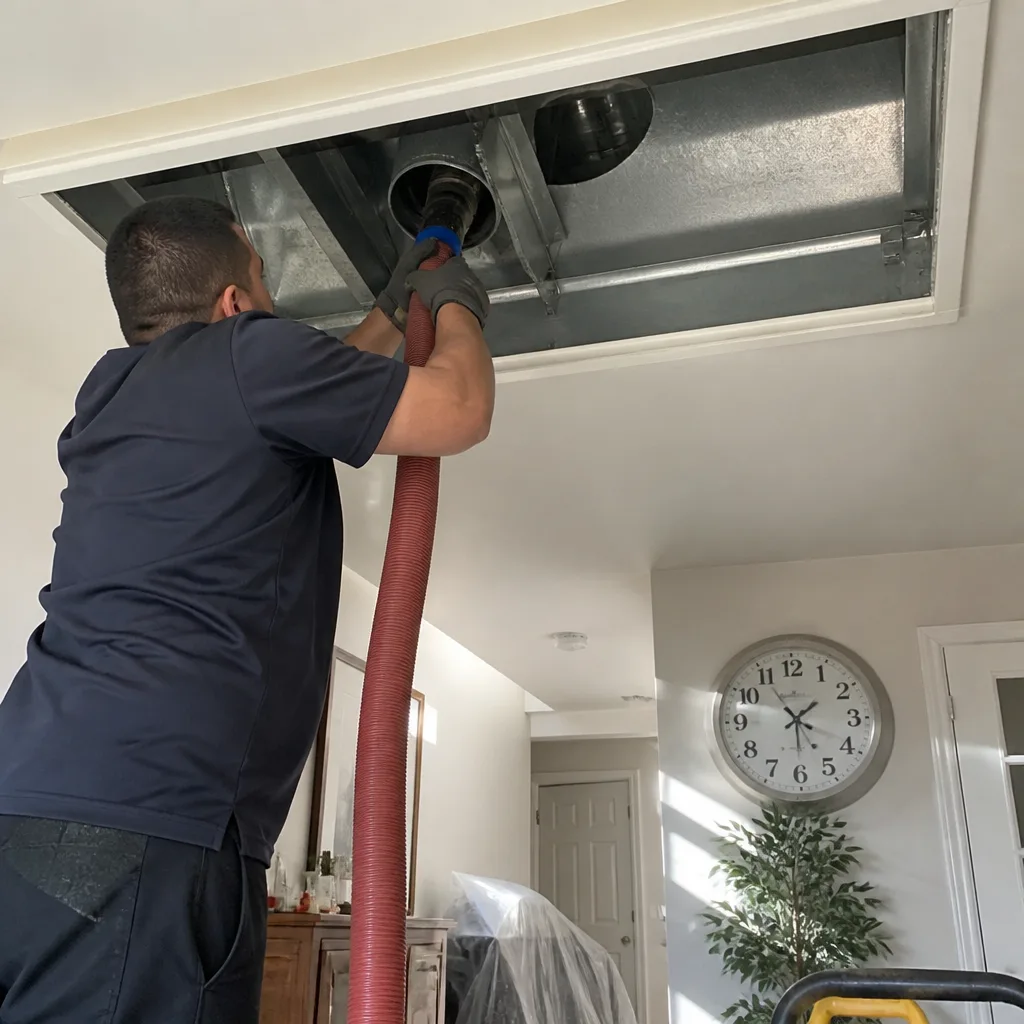
- Connection of the extraction unit to the main trunk line
- Contact agitation of each branch run, working from the farthest register back toward the trunk
- Final pass through the trunk lines with the extraction system running at full capacity
- Post-cleaning visual verification at access points
We’ve cleaned ducts in Clovis homes that hadn’t been touched since the house was built in the 1980s. The debris load in those systems requires mechanical contact. Air whips alone would leave half of it behind.
Nikro vs. Abatement Technologies: HEPA Containment Explained
When duct contamination moves beyond ordinary dust into mold, pest residue, or post-construction debris, the conversation shifts from cleaning to containment. This is where two specific equipment brands enter the picture: Nikro and Abatement Technologies. Both manufacture HEPA-filtered negative air machines and containment systems used in professional remediation work. They serve different operational roles, and understanding the distinction helps you evaluate whether a duct cleaning company in Clovis is genuinely equipped for contamination scenarios or just claims to be.
Nikro systems are known for HEPA-filtered vacuums and negative air machines designed for mold remediation and asbestos abatement. Their equipment captures particles down to 0.3 microns at 99.97 percent efficiency. In a duct cleaning context, Nikro equipment typically functions as the containment layer: a HEPA-filtered negative air machine running during the cleaning process to capture any airborne particles that escape the duct system. This matters in Clovis homes where a family member has respiratory sensitivities or where visible mold is present in the ductwork.
Abatement Technologies produces HEPA air filtration units and containment equipment built to the same remediation standard, with a particular emphasis on portable HEPA filtration for occupied spaces. Their equipment is widely used in hospital construction and mold remediation projects. In duct cleaning applications, Abatement Technologies equipment signals that the contractor can maintain indoor air quality during the cleaning process itself, not just after it’s complete.
The practical distinction for a Clovis homeowner is straightforward: a company that runs either brand’s HEPA equipment during duct cleaning is doing containment-grade work. A company that runs neither is doing debris removal with basic filtration. When contamination is suspected, that distinction determines whether the cleaning makes the air in your home better or temporarily worse. Source-removal contact cleaning with proper HEPA containment is the difference between remediation and redistribution. The equipment brand matters less than the filtration standard it represents, which is why asking about HEPA filtration is a more useful question than asking about any specific brand name.
How to Verify Equipment Claims in 30 Seconds
Duct cleaning is an industry where equipment claims are easy to make and rarely verified. A contractor can tell you they run “professional-grade equipment” while unloading a portable vacuum from a minivan. Here’s the 30-second verification process that exposes misrepresentation immediately.
- Ask for the extraction unit’s model number. Every legitimate professional machine has one. A portable vacuum’s model number will lead you to a consumer product page. A truck-mounted extraction unit or Rotobrush system will lead you to professional equipment documentation.
- Cross-reference the CFM rating. Look up the model number on the manufacturer’s website. Professional extraction units move 10,000 CFM or more. Portable systems move a fraction of that. The published specification doesn’t lie.
- Ask what HEPA filtration accompanies the extraction unit. If the answer is “the machine has a filter,” that’s not HEPA containment. If the answer includes a specific negative air machine or HEPA-filtered vacuum model number, that’s a containment-capable operation.
- Ask about the agitation method. “We agitate the ducts” is not an answer. “We use a Rotobrush contact brush for metal ducts and adjust for flex duct” is an answer. Specificity is the tell.
This verification process takes less time than reading a restaurant menu, and it’s the single most effective way to separate genuine equipment capability from marketing copy. In our experience in Clovis, homeowners who ask these questions end up making better decisions. The ones who don’t are the ones who call us after a disappointing cleaning from a company that charged half the market rate and removed a fraction of the debris.
You can also ask for photos of the equipment. Any legitimate company has photos of their rig. If they can’t show you the actual machines they’ll be using, expect the machines that appear on site to be different from the ones described on the phone.
For more on what a thorough cleaning actually involves, see our guide to Air Duct Cleaning in Clovis.
Full-Scope Capability: Why Cleaning Plus Repair Matters
Here’s a scenario that plays out regularly in Clovis homes: a homeowner hires a duct cleaning company. During the cleaning, the technician discovers that a section of flex duct has collapsed, or a joint has separated, or a return plenum is rusted through. The cleaning company has no repair capability. They clean what they can, hand you a report noting the damage, and tell you to call an HVAC contractor. You now have a partially cleaned system, a damage report, and a second appointment to schedule with a different company.
That’s the contractor handoff problem. It costs you time, money, and a system that sits in damaged condition until the second contractor shows up. It also means the cleaning you paid for is compromised, because air moving through a damaged duct system re-contaminates quickly. The cleaning is undone before the second invoice is even written.
Air Duct Repair in Clovis is not a separate service from cleaning when it’s provided by the same company. It’s the second half of the same job. A full-scope duct specialist inspects for damage before cleaning begins, identifies repair needs, and addresses them as part of the same service call. The cleaning removes what shouldn’t be there. The repair fixes what should be there but isn’t. Both are necessary for the system to function properly.
The financial argument is straightforward. Two separate contractors means two service calls, two diagnostic fees, two scheduling windows, and a gap between cleaning and repair during which the system degrades. One full-scope company means one call, one crew, one coordination point. When we find damaged ductwork during a cleaning, we fix it. The homeowner doesn’t get handed a problem to solve with a different contractor. They get a working system.
This is also where the “coupon cleaning” model breaks down. A company running on high volume and low prices has no incentive to identify or address damage. They’re cleaning on a schedule, and damage findings slow the schedule. A full-scope specialist is already on site with the capability to address what they find. The business model aligns with the homeowner’s actual interest: a duct system that’s clean and intact, not just one that got vacuumed.
Dryer Vent Cleaning: The Fire-Safety Variable
Dryer vent cleaning is routinely treated as an add-on service, a line item at the bottom of a duct cleaning invoice. It deserves more serious treatment, because lint accumulation in dryer vents is a documented fire hazard. The U.S. Fire Administration attributes thousands of residential fires annually to clothes dryers, and the leading contributing factor is failure to clean the vent system. This isn’t a comfort issue. It’s a life-safety issue.
Dryer Vent Cleaning in Clovis removes the accumulated lint, debris, and occasional bird or rodent nests that restrict airflow and create ignition conditions. The restriction itself is the problem. When a dryer can’t exhaust properly, heat builds up inside the vent run. Lint is highly combustible. The combination of restricted airflow, accumulated lint, and elevated temperatures is how dryer fires start.
The fire-safety framing changes how you should think about dryer vent cleaning alongside duct cleaning. A company that treats dryer vents as an afterthought is running a comfort-focused service. A company that frames it around fire risk is thinking about the actual stakes. When you’re evaluating duct cleaning providers in Clovis, ask how they approach dryer vent work. The answer tells you whether they understand why this service matters or whether they’re just filling a schedule slot.
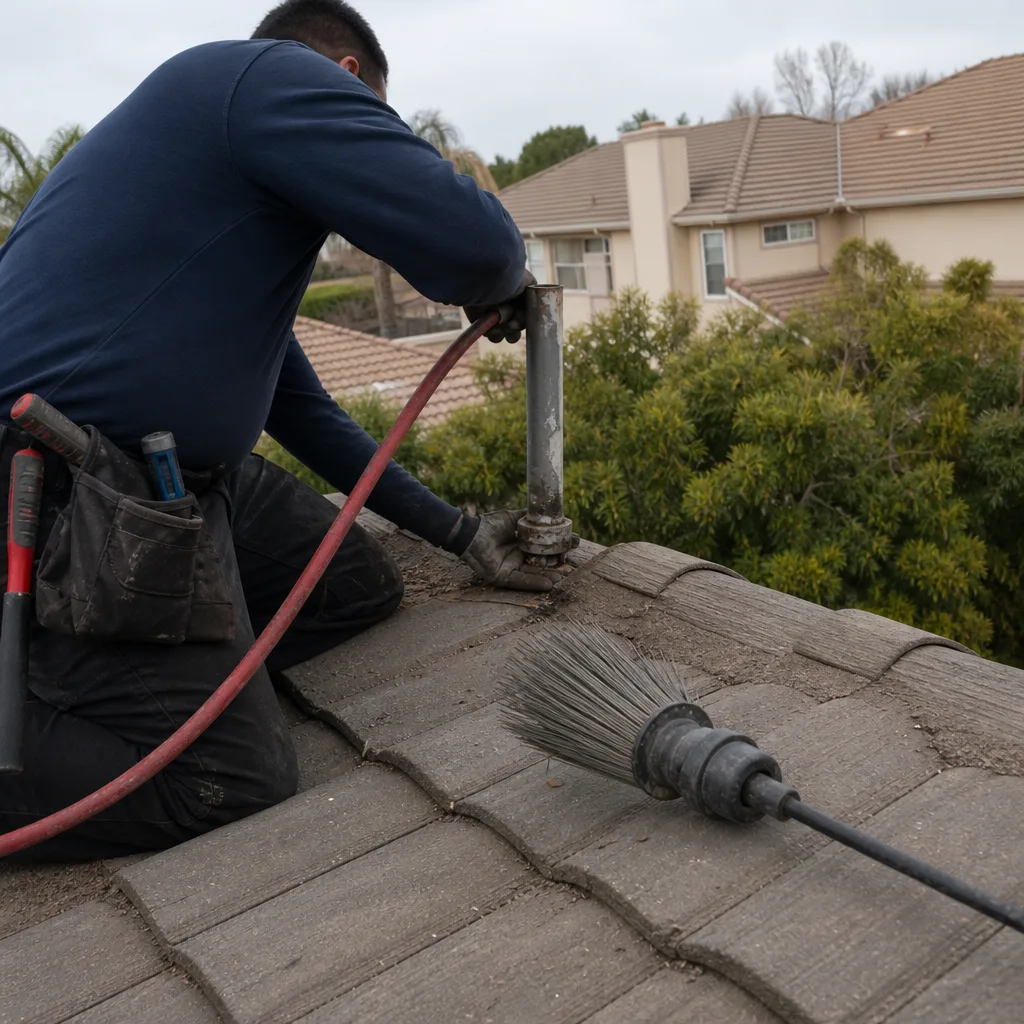
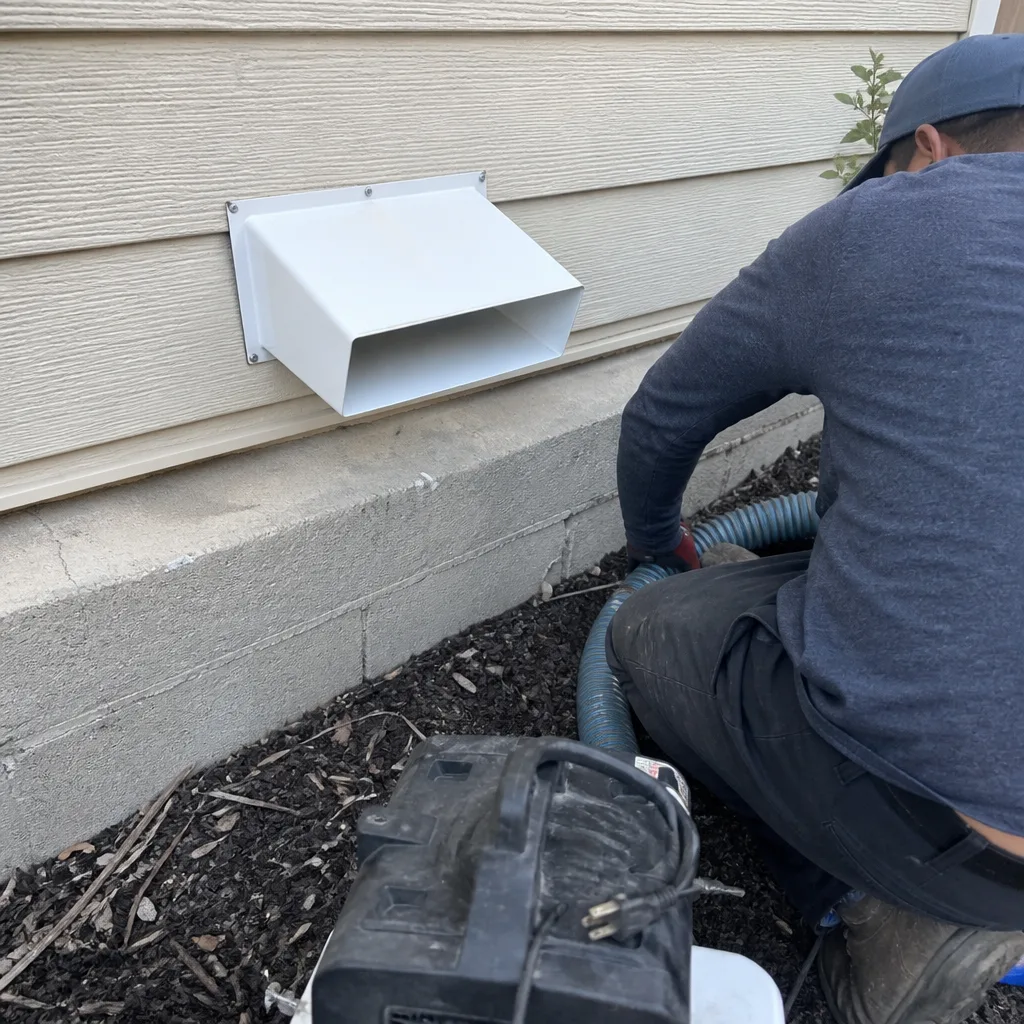
Professional dryer vent cleaning uses rotary brush systems that scrub the full length of the vent run, from the dryer connection to the exterior termination point. The brush dislodges the caked-on lint that a basic vacuum pass leaves behind. This is the same contact-versus-air-only distinction that applies to duct cleaning, with higher stakes. The brush makes contact with the vent walls. The vacuum removes what the brush dislodges. Both elements are required for the vent to actually be clean.
If your dryer takes longer than one cycle to dry a normal load, or if the exterior vent flap doesn’t open fully during operation, or if the laundry room feels warmer than it should during a dry cycle, those are signs of restricted airflow. They’re also early warning signs of the conditions that lead to dryer fires. This is not a service to defer.
Duct Work and Whole-Home Filtration: The Honeywell and Aprilaire Factor
Ducts don’t exist in isolation. They’re the distribution network for your HVAC system, and whatever moves through them is what your family breathes. This is why a duct specialist’s compatibility with whole-home filtration systems matters more than it first appears.
Honeywell and Aprilaire manufacture whole-home filtration systems that install directly into the HVAC air stream. These systems capture airborne particles at the source, before they circulate through the duct network. If your Clovis home has one of these systems, the duct cleaning contractor you hire needs to understand how it integrates with the ductwork, not treat it as an obstruction to work around.
The integration point is simple but important. A whole-home filtration system pressurizes the air stream differently than a bare duct system. The filter media creates resistance. The bypass and cabinet configurations vary by manufacturer and installation. A duct cleaning crew that doesn’t understand these systems can damage the filter cabinet, disrupt the bypass damper, or leave contaminants behind that immediately load the new filter. A company that works with Honeywell and Aprilaire systems regularly treats the filtration equipment as part of the duct system, not a separate component.
This also matters for cleaning sequence. The filtration system should be addressed after the ducts are clean, not before. If you clean the ducts and then run the existing filter, the filter is doing its job capturing remaining particles. If you replace the filter before cleaning, the new filter immediately captures the debris the cleaning missed. A specialist sequences the work correctly. A generalist replaces the filter when they think of it.
The broader point is that duct cleaning is one component of indoor air quality, not the entirety of it. Homes with whole-home filtration, proper ventilation, and clean ducts perform differently than homes with clean ducts and nothing else. A contractor who understands this system-level view is providing more than debris removal. They’re providing the mechanical basis for the air you breathe.
For the core service explanation, start with our Duct Cleaning Clovis home page.
Common Mistakes to Avoid
- Choosing solely on price. A $99 whole-house duct cleaning in Clovis is not the same service at a discount. It’s a different service entirely, running on different equipment with different outcomes. The price tells you which tier of equipment is showing up.
- Not asking about the extraction unit. “Professional equipment” is a meaningless phrase if you don’t know the machine’s CFM rating. Ask for the model number. Verify it. Thirty seconds of research eliminates the worst contractors.
- Hiring a cleaning-only company when damage may exist. If you suspect duct damage, hiring a company that can’t repair what they find means two contractors and a gap between them. Hire full-scope capability from the start.
- Deferring dryer vent cleaning. The dryer vent is the most dangerous component of the duct system when neglected. Lint fires don’t announce themselves. The fire-safety stakes make this a priority service, not an add-on.
- Treating all duct materials as identical. Flex duct and sheet metal require different agitation methods. A contractor who uses the same approach on both either doesn’t understand the difference or doesn’t care. Neither is acceptable.
- Assuming visible dust means dirty ducts. Dust on registers is common and mostly cosmetic. What matters is the accumulation inside the duct system. A professional inspection determines whether cleaning is actually warranted or whether you’re paying to solve a cosmetic issue.
- Ignoring the filtration system. If your home has Honeywell or Aprilaire filtration, the duct cleaning contractor needs to understand how to work with it. Ignoring this integration wastes the cleaning and the filter.
When to Call a Professional
Duct cleaning is not a maintenance task with a fixed annual schedule. The right interval depends on the home, the occupants, and the local environment. Clovis homes with pets, recent renovation work, or occupants with respiratory conditions accumulate duct debris faster than sealed homes with no pets and no construction history. If you’re seeing visible dust on registers shortly after cleaning the house, smelling musty odors when the system runs, or noticing that certain rooms never seem to cool properly, those are indicators that something is happening inside the ductwork that warrants inspection.
If you’ve never had the ducts inspected since moving in, or if the previous owners couldn’t tell you when the system was last cleaned, that’s a reasonable threshold for evaluation. The same applies to rental properties between tenants, where the duct condition affects the next occupants. Air Duct Cleaning services in Clovis include free estimates – call (855) 661-0630 to schedule an inspection and get an honest assessment of whether your ducts actually need work.
Frequently Asked Questions
Whole-system air duct cleaning in Clovis typically ranges from $450 to $1,200 depending on the home’s square footage, number of trunk lines and branch runs, accessibility of the ductwork, and contamination level. Prices below $300 for a full system almost always indicate Tier 1 portable vacuum equipment. Call (855) 661-0630 for an exact quote based on your home’s specific system.
The difference is equipment, scope, and outcome. A $99 cleaning runs a portable vacuum with limited CFM that removes loose debris from accessible portions of the system. A $700 cleaning runs truck-mounted or professional source-removal equipment with contact agitation that extracts debris from the full duct network. The $99 cleaning changes very little about your indoor air quality. The $700 cleaning removes what’s actually in the ducts.
Ask for before-and-after photos of accessible duct sections taken during the cleaning. A legitimate company will show you visual evidence of the debris removed and the condition of the duct surfaces after cleaning. Post-cleaning photos taken through access points or register openings demonstrate what was accomplished. If a company can’t provide visual verification, ask why not.
Most Clovis homes benefit from duct cleaning every three to five years, with shorter intervals for homes with pets, smokers, recent renovations, or family members with allergies or respiratory conditions. See our more guides & resources for additional indoor air quality tips. The Central Valley’s dusty summers and agricultural particulate loading can shorten the interval compared to coastal climates. An inspection is the only reliable way to determine whether cleaning is warranted now or later.
The price difference reflects equipment tier, crew training, and scope of work. Portable vacuum systems cost a few hundred dollars to acquire, while professional extraction units cost tens of thousands. A company running professional equipment has to charge more to recover the equipment investment and pay trained operators. The cheaper quote is almost always running cheaper equipment with a narrower scope. Call (855) 661-0630 for a quote based on professional-grade equipment and full-scope service.
Professional source-removal duct cleaning removes accumulated dust, pollen, pet dander, and mold spores from the duct system, reducing the particulate load that circulates through your home every time the HVAC system runs. The benefit is most pronounced in homes where the ducts haven’t been cleaned in years and where the system pulls in Clovis’s dusty outdoor air. For allergy sufferers, the combination of clean ducts and a properly maintained whole-home filtration system delivers the greatest reduction in airborne irritants.
The Bottom Line
Choosing the right air duct cleaning brand in Clovis isn’t about brand logos on a website. It’s about the equipment tier the brand represents and the scope of capability behind it. Portable vacuums, truck-mounted extraction, and source-removal contact systems are three different services wearing the same name. The verification process is simple: ask for model numbers, check CFM ratings, confirm HEPA containment capability, and hire a company that can repair what it finds. Duct Cleaning Clovis runs professional-grade extraction equipment with HEPA filtration, handles cleaning and repair as one scope, and treats dryer vent work with the fire-safety seriousness it deserves. Call (855) 661-0630 for a free estimate and an honest assessment of your system.
Written by the team at Duct Cleaning Clovis, serving Clovis since 2012.
See the difference
 Before
 After
 Before
 After
 Before
 After