
Last updated November 2, 2026
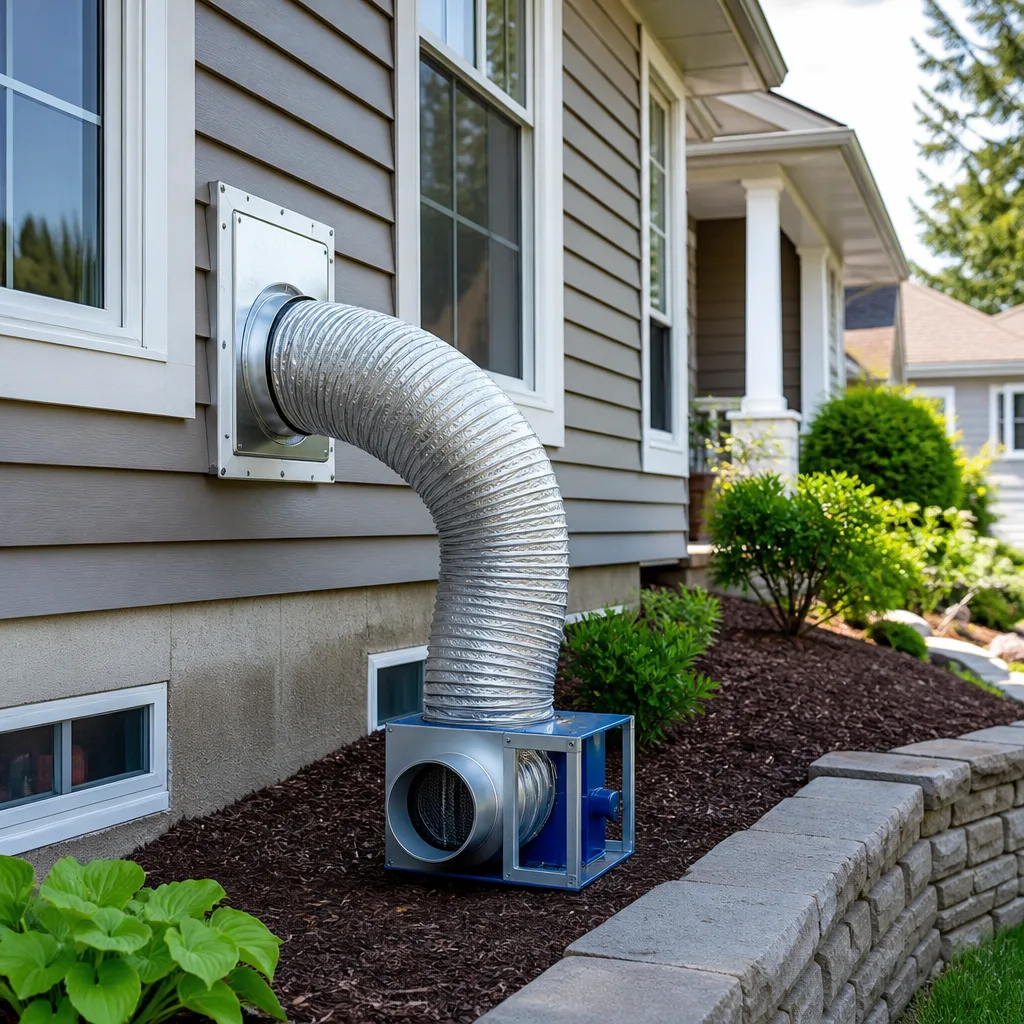 Whole-home duct cleaning
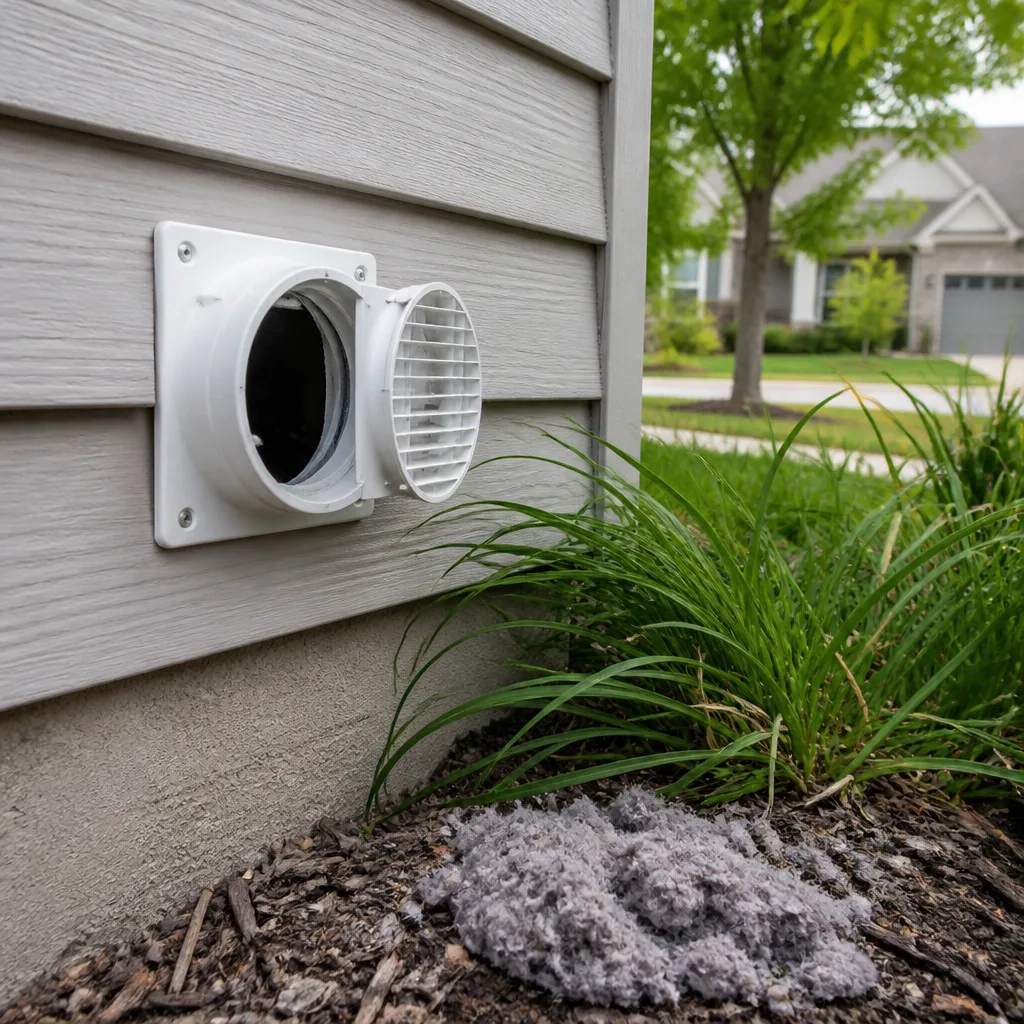 Dryer vent cleaning
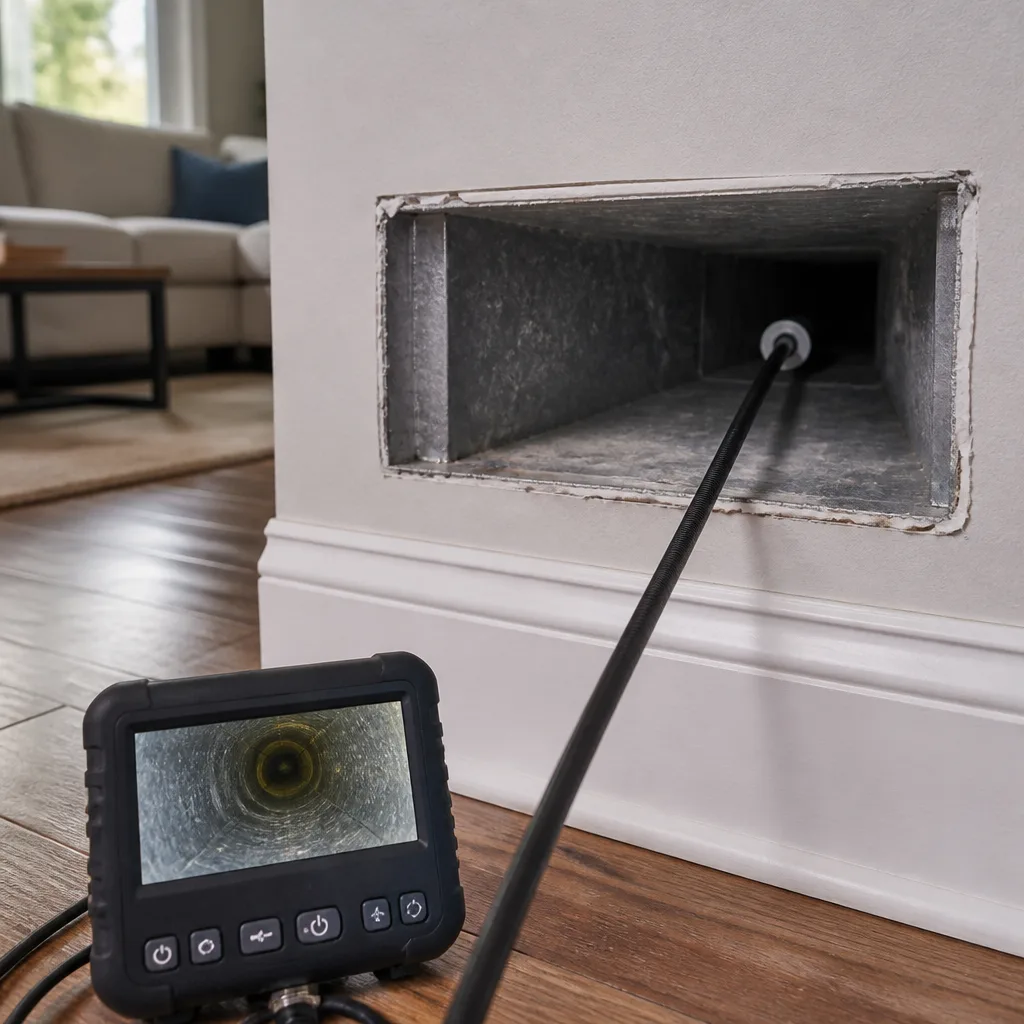 Camera inspection
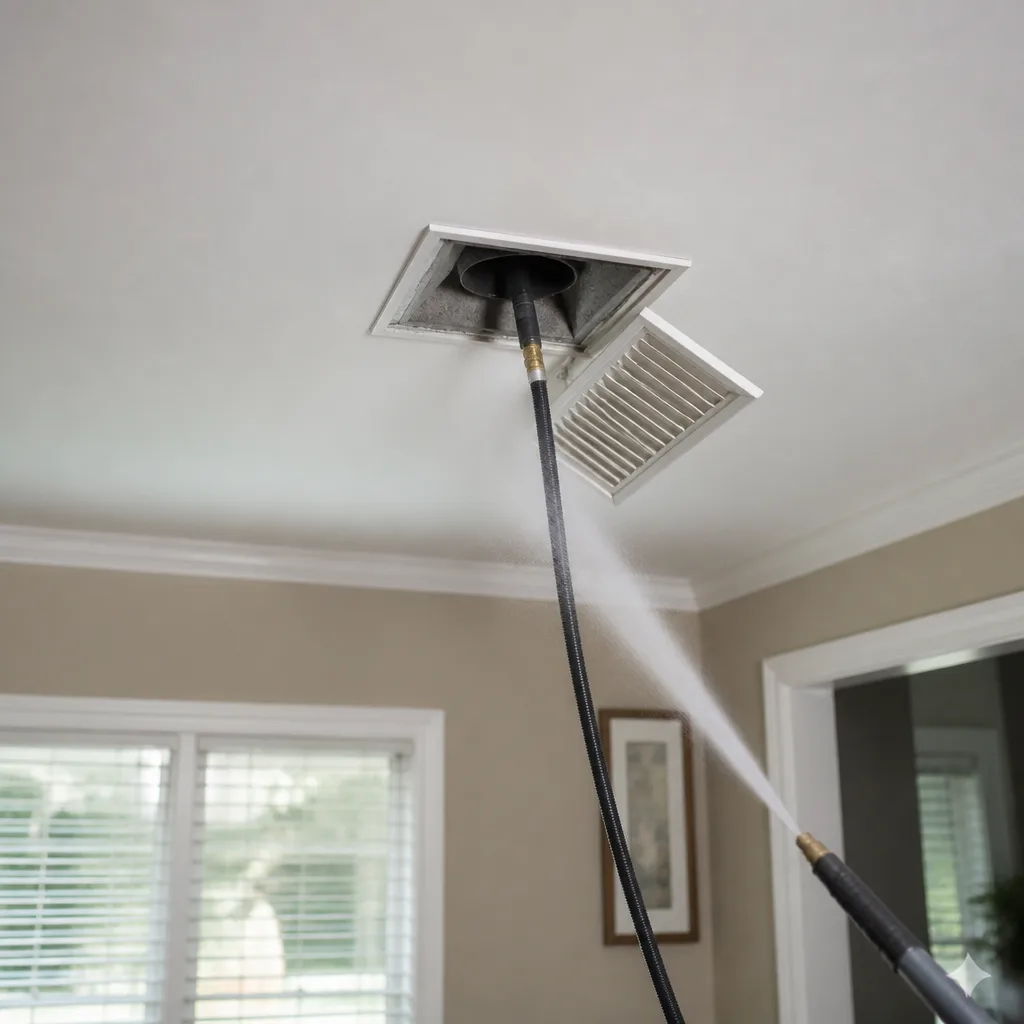 Sanitizing & deodorizing
Whole-system duct and dryer vent check with before-and-after photos - you see exactly what came out of your vents
That "$99 whole-house special" is a bait ad - the real number appears once they are in your hallway, or the "clean" is a shop-vac at the register. We photograph the inside of your ducts before and after instead.
Air Duct Cleaning Permits, Codes & Inspections in CA: What You Need to Know
California Title 24 energy code mandates that new or replaced duct systems achieve less than 6% leakage. The contractor who cleaned your ducts last year had zero legal obligation to tell you whether yours met that standard, or whether the disconnected return plenum he saw in your crawlspace needed a permit to fix. That gap between what cleaning reveals and what repair requires is where Clovis homeowners get blindsided, sometimes years later at a home inspection. This guide covers exactly which duct work triggers California mechanical permits, when Title 24 testing applies, and how to protect yourself from unpermitted work that quietly attaches to your property title. For Air Duct Cleaning Warning Signs: A Clovis Homeowner’s Reference Guide, see our companion resource.
Quick Answer
Air Duct Cleaning services in California do not require a permit, a license specific to duct cleaning alone, or a mandated inspection. However, any duct repair, replacement, or reconnection that follows a cleaning inspection falls under the California Mechanical Code and typically requires a mechanical permit from your local building department, plus possible HERS duct leakage testing under Title 24. The distinction between “maintenance” and “repair” is where permit liability begins.
Styles & brands we work with
- Whole-home duct cleaning
- Dryer vent cleaning
- Camera inspection
- Sanitizing & deodorizing
Table of Contents
- What Duct Work Requires a Permit vs. What’s Exempt in California
- How California Title 24 Part 6 Applies to Duct Replacement
- What HERS Duct Testing Is and When It’s Triggered
- Clovis and Fresno County: Local Permit Requirements in Practice
- The Liability Chain: Unpermitted Duct Repairs and Home Sales
- How to Request Documentation That Separates Cleaning from Repair
- What to Ask a Contractor Before Duct Work Begins
What Duct Work Requires a Permit vs. What’s Exempt in California
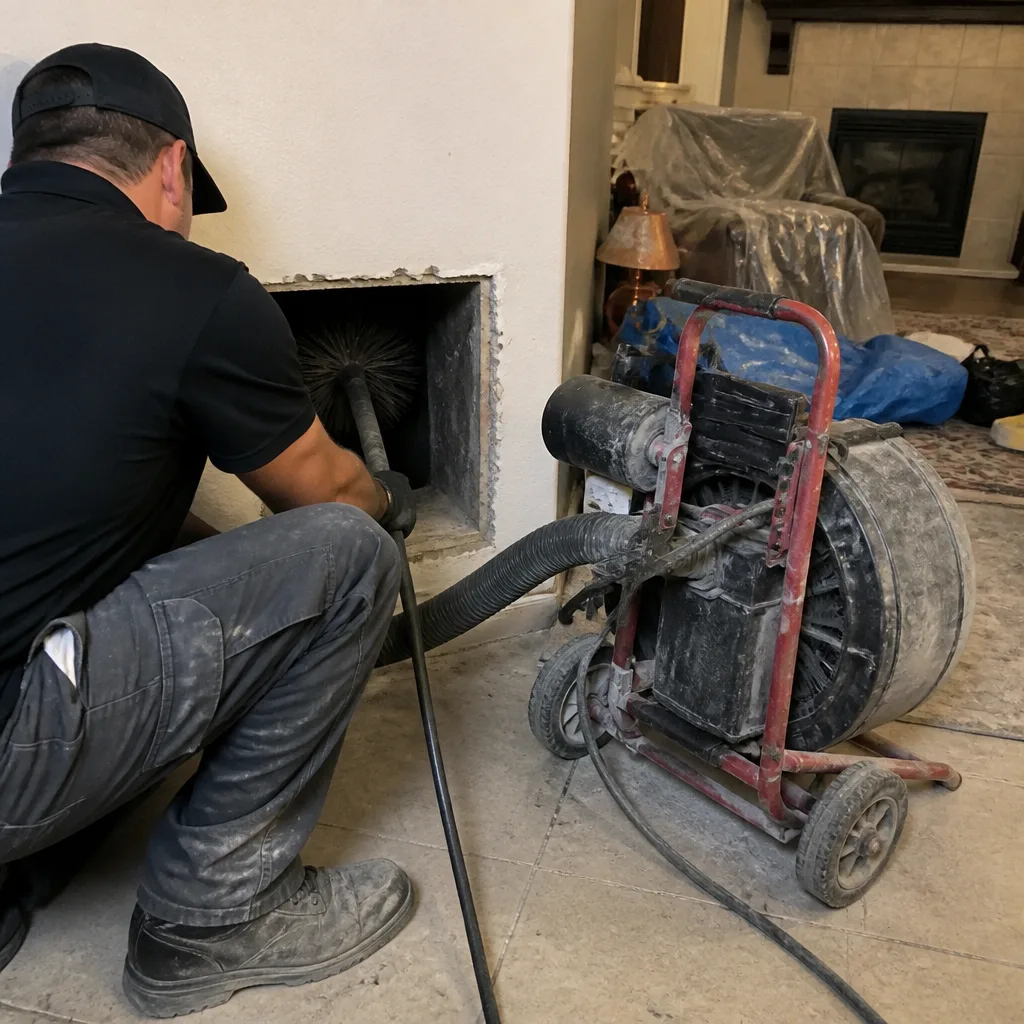
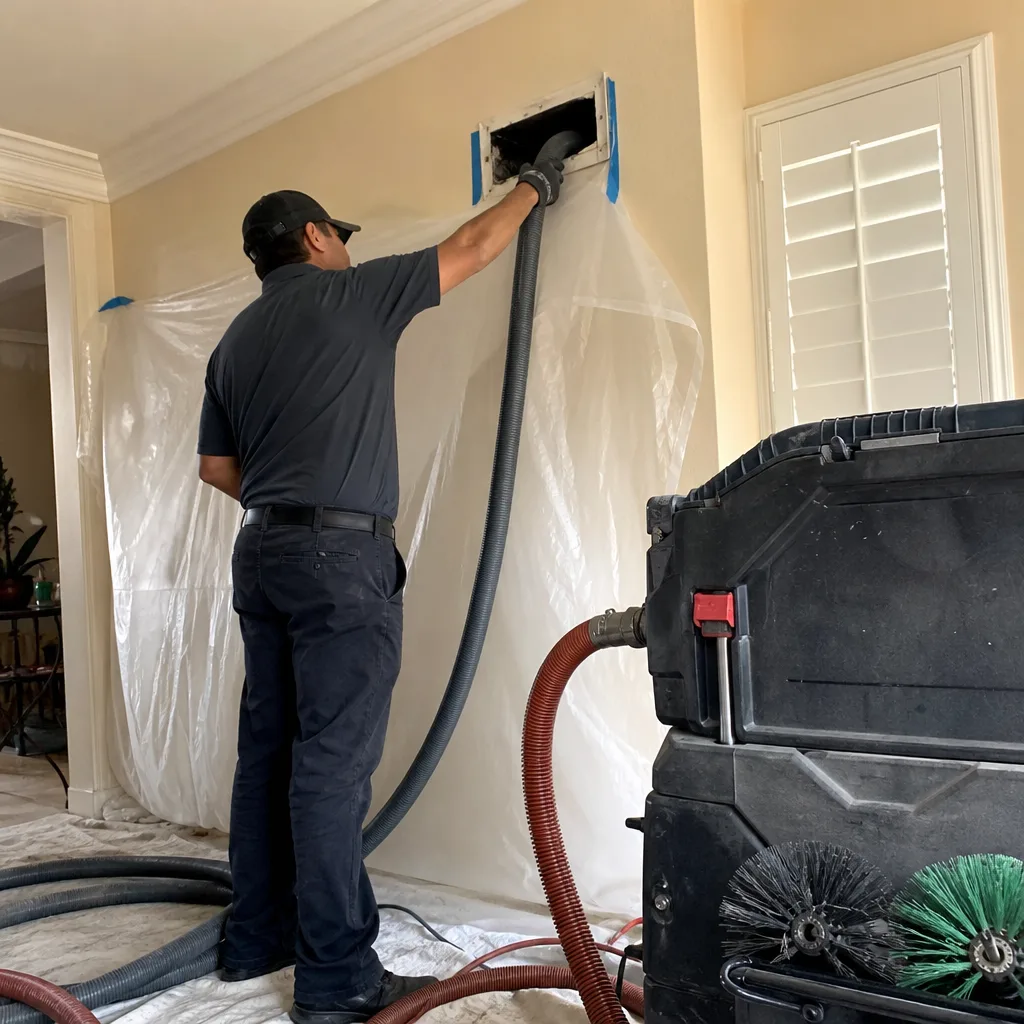
The California Mechanical Code (CMC), which adopts and amends the Uniform Mechanical Code, draws a clear line between maintenance and construction. Air duct cleaning, when performed as source removal using brushes and negative-air vacuums, is classified as maintenance. No permit is required for the act of cleaning itself, regardless of how thorough the process is. This includes Rotobrush brush-contact extraction, Nikro HEPA-filtered vacuum collection, and access hole cutting when the holes are properly sealed afterward with code-compliant materials.
What does require a permit is any alteration to the duct system’s physical structure or function. The following are permit-triggering activities under the CMC:
- Replacing duct sections – Even a 4-foot section of rusted supply trunk in a crawlspace is new ductwork, which means permit and Title 24 compliance.
- Reconnecting separated duct joints – A disconnected return plenum or supply boot that has pulled away from the main trunk is a system alteration, not maintenance.
- Adding or relocating supply or return registers – Any change to the airflow design of the duct system requires a permit.
- Installing duct sealing systems – Aeroseal or similar injected sealants that permanently alter the duct’s leakage characteristics fall under mechanical work.
- Replacing or installing a furnace or air handler – When the appliance changes, the connecting ductwork almost always requires modification to meet new code requirements.
- Modifying duct sizing or layout – Resizing a return drop or adding a branch run to serve a new room addition is construction, not maintenance.
In our experience in Clovis, the most common scenario is a cleaning technician who finds a separated duct joint during the pre-inspection. The homeowner asks us to fix it while we’re there. We can, but that fix is a repair that legally requires a mechanical permit. Companies that happily “reconnect” ducts without pulling permits are creating a liability trail that the homeowner inherits. At a minimum, a contractor performing duct repairs should hold a C-20 warm-air heating, ventilating, and air-conditioning contractor’s license from the Contractors State License Board. Our Air Duct Repair in Clovis work always distinguishes between what we can do as maintenance and what requires permit documentation.
How California Title 24 Part 6 Applies to Duct Replacement
California’s Title 24, Part 6 Energy Code exists to reduce wasted energy in buildings, and duct leakage is one of its prime targets. The code’s baseline requirement is simple in concept: when ducts are installed, replaced, or extended, the completed system must leak no more than 6% of the air handler’s rated airflow when tested at 25 Pascals of pressure. That’s not a suggestion. It’s a mandatory standard enforced through the permitting process.
Here’s what that means in practice for a Clovis homeowner whose cleaning inspection reveals a section of crushed or rusted-out supply duct under the house:
- Any new duct section must be sealed to a leakage standard that contributes to the whole system meeting the 6% threshold.
- The work must be documented in the permit record, including materials used and sealing methods.
- Depending on the scope, a HERS rater may need to verify duct leakage after the work is complete.
- If the rest of the existing duct system leaks badly, bringing one section up to code may not satisfy the inspector, even though the code applies to the altered portion.
The practical reality is that Title 24 compliance rarely makes sense as a piecemeal project. If one section of your ductwork is bad enough to need replacement, the rest of the system is likely leaking well beyond 6% too. That’s why we often recommend comprehensive Air Duct Cleaning in Clovis paired with a full system evaluation, so the repair scope is understood up front rather than discovered incrementally.
Title 24 also addresses duct insulation requirements. New or replaced ducts in unconditioned spaces (attics, crawlspaces) must meet minimum R-value standards based on your climate zone. Clovis sits in Climate Zone 13, which requires R-8 insulation on supply ducts in unconditioned spaces and R-6 on return ducts. If a repair reveals bare or under-insulated duct sections, the code requires correcting that as part of the permitted work.
What HERS Duct Testing Is and When It’s Triggered
HERS stands for Home Energy Rating System. A HERS rater is an independent, state-certified professional who verifies that building work meets Title 24 energy standards. When duct replacement or significant duct modification occurs under a permit, the building department will often require a HERS duct leakage test as a condition of permit final approval.
The test itself is straightforward to explain: the rater seals all supply and return registers, connects a calibrated fan to the air handler, pressurizes the duct system to 25 Pascals, and measures how much air escapes. The result is expressed as a percentage of total system airflow. Under 6% passes. Above 6% fails, and the contractor must locate and seal leaks until the system passes.
When is HERS testing triggered? In our experience across Clovis and the broader Fresno County area, the following situations almost always require it:
- Complete duct system replacement (all supply and return ductwork)
- New duct runs added to serve a room addition or converted garage
- Duct replacement that exceeds a percentage threshold defined by the local building official (often 40% or more of the system)
- Any work where the permit applicant cannot document that the altered sections meet code without field verification
HERS testing adds time and cost to a repair project, typically a site visit of 1-2 hours plus report preparation. It also adds accountability. A contractor who knows a HERS rater will verify the work seals ducts differently than one who is simply slapping tape on joints and hoping the inspector doesn’t look too closely. That’s one reason we use Abatement Technologies and Guardsman sealing products on repair jobs: the materials matter when someone with a calibrated fan and a clipboard is verifying your work.
Clovis and Fresno County: Local Permit Requirements in Practice
Clovis operates its own building department, separate from Fresno County. The City of Clovis Building Division enforces the California Mechanical Code with local amendments, and in our experience, they are thorough without being unreasonable. A mechanical permit for duct replacement in Clovis typically costs $120-$350 depending on project valuation, and reviews are typically completed within 5-10 business days for straightforward residential work.
What surprises many Clovis homeowners is how the city’s permit records intersect with other local requirements:
- Fresno County Air Pollution Control District – While focused primarily on industrial sources, the district’s interest in residential combustion appliances means any work on gas furnace flues or combustion air ducts may trigger additional review.
- Clovis Municipal Code Chapter 15.20 (Mechanical Code) – Adopts the CMC with amendments. Most relevantly for duct work, the city requires accessible documentation that duct repairs meet current seismic bracing and fire-dampening standards where applicable.
- Existing home stock in neighborhoods like Old Town Clovis and the Harlan Ranch area – Homes built before 1992 in Clovis often have duct systems that were installed before modern leakage standards existed. A repair permit on these homes frequently reveals that the entire duct system is non-compliant, which expands scope.
Homeowners sometimes ask if they can skip the permit to save money. We advise against it for reasons this guide covers in detail, but the short version is: unpermitted mechanical work in Clovis shows up on the title report when you sell, and the buyer’s home inspector will document it. The cost of retroactive permits is typically 2-3 times the original permit fee, plus the cost of opening up any work the inspector can’t visually verify. It’s a false economy.
For broader context on what a proper duct inspection and cleaning should include in this market, see our guide to Duct Cleaning Clovis home services and what distinguishes professional-grade work from surface-level brushing.
The Liability Chain: Unpermitted Duct Repairs and Home Sales
Here’s a scenario we’ve seen play out multiple times in Clovis real estate transactions. A homeowner has their ducts cleaned in 2019. The technician finds a disconnected return duct and reconnects it with sheet metal screws and foil tape. No permit. The homeowner is happy because their system works better. Fast forward to 2025. The homeowner lists the house. The buyer’s inspector – a sharp one – notices the foil tape pattern that suggests a field repair rather than original construction. He documents it. The buyer’s agent asks for the permit record. There isn’t one. Now the seller is negotiating a credit, a retroactive permit, or a repair escrow, all under time pressure.
The California statutory disclosure requirements under Civil Code Section 1102 require sellers to disclose material facts about the property, including known unpermitted work. Failing to disclose doesn’t protect the seller; it exposes them to post-sale liability. The buyer can sue for the cost of bringing the work to code, plus damages. The statute of limitations on such claims in California is three years for fraud and four years for breach of contract, which means the exposure extends years beyond the sale itself.
This is the liability chain, and it’s worth mapping explicitly:
- Step One: Unpermitted duct repair is identified during a cleaning or HVAC service visit. The contractor either doesn’t pull a permit or tells the homeowner one isn’t needed.
- Step Two: Work is completed. The homeowner has no permit documentation, no inspection record, and no HERS verification if applicable.
- Step Three: The home is listed for sale. The buyer’s inspection reveals evidence of duct modification that doesn’t match the permit history on file with the City of Clovis.
- Step Four: The seller now must either obtain a retroactive permit (which involves opening walls or ceilings if the inspector can’t see the work), offer a price concession, or find a cash buyer who will accept the defect.
- Step Five: If the seller simply closes without disclosing, the buyer’s post-sale discovery creates a lawsuit that the seller’s homeowner’s insurance may not cover, since intentional non-disclosure is typically excluded from E&O and liability coverage.
The solution is simple and entirely within your control: require a permit for any duct repair, replacement, or reconnection. Insist on it in writing before work begins. A contractor who pushes back is telling you something important about how they operate.
How to Request Documentation That Separates Cleaning from Repair
One of the most useful things a homeowner can do after any duct work is to maintain a clean paper trail that distinguishes maintenance from construction. This matters because when you sell, the buyer’s agent and inspector will ask for both. Here’s what we recommend requesting from any contractor who works on your ducts in Clovis:
For Cleaning Work (No Permit Required)
- A detailed service report that lists what was cleaned, what equipment was used, and what observations were made. Professional-grade equipment like Rotobrush and Nikro systems produce measurable results that should be documented.
- Before-and-after photos of the duct interiors. Any contractor using professional extraction equipment should be able to provide these without hesitation.
- A written statement that no repairs, replacements, or system alterations were performed during the cleaning, and that the work was maintenance-only under the CMC.
For Repair Work (Permit Required)
- The mechanical permit number issued by the City of Clovis Building Division.
- Written confirmation that the work will be inspected by the city before final approval.
- Documentation of any HERS testing that will be required, including the HERS rater’s identity and certification number.
- A written scope of work that clearly identifies which duct sections are being replaced, sealed, or modified, along with the materials to be used (including sealing products like Guardsman materials where applicable).
- Final inspection sign-off documentation that the permit record has been closed.
We recommend creating a simple folder, physical or digital, labeled “HVAC and Duct Records.” Every service visit goes in it. Every permit number goes in it. When you sell, you hand the folder to your agent. It’s the single most effective way to avoid the liability chain described above.
For homeowners dealing with Dryer Vent Cleaning in Clovis, the documentation standard is different: dryer vent cleaning is fire-safety maintenance, not a mechanical system alteration, so no permit applies. But you should still receive before-and-after photos of the vent run and confirmation of airflow testing. The life-safety dimension here is real: lint buildup is one of the leading causes of residential dryer fires in California, and documentation proves the work was actually done.
What to Ask a Contractor Before Duct Work Begins
Most of the permit problems we see in Clovis trace back to a single failure: the homeowner never asked the right questions, and the contractor never volunteered the answers. Here’s the list of questions we recommend asking, in writing, before any duct work starts on your home:
- “Is this work classified as maintenance or repair under the California Mechanical Code?” If the answer is repair, the next question follows immediately.
- “Will a mechanical permit be required for this scope of work? If so, will you be pulling it, and what is the permit number?” Any licensed contractor should answer this directly. Vague answers are a red flag.
- “Will HERS duct testing be required, and if so, who will perform the test?” The contractor should know whether your project triggers HERS verification.
- “What is your CSLB license number, and under what classification is it issued?” You should verify this yourself at cslb.ca.gov. Duct replacement requires a C-20 license in California.
- “What documentation will I receive when the work is complete?” The answer should include the final inspection record, permit closure documentation, and any HERS test results.
- “What sealing materials and methods will you use, and how do they comply with Title 24 leakage standards?” This separates professionals who understand code from handymen who use foil tape and hope.
We’re a full-scope duct specialist, not a company that only cleans. That scope includes our repair capability, which means we’re familiar with the permitting process at the City of Clovis and can walk you through it without drama. The equipment matters too: Rotobrush brush-contact extraction, Nikro HEPA-filtered vacuum collection, and Abatement Technologies contamination-remediation tools are the same professional-grade systems used in restoration work. They’re not consumer-grade shop vacs on a truck.
Common Mistakes to Avoid
- Assuming cleaning and repair are the same category. They aren’t. Cleaning is maintenance; repair is construction. Treating them as interchangeable is how permit problems start.
- Accepting verbal assurances that “no permit is needed.” Get it in writing. If the contractor won’t put it in writing, the statement isn’t worth anything when the building inspector asks questions.
- Choosing a contractor based on price alone. The low bid on duct replacement often excludes the permit cost, HERS testing, and proper sealing materials. The real cost arrives later, at final inspection or home sale.
- Not documenting cleaning work. A cleaning report with before-and-after photos is cheap insurance. It establishes what was and wasn’t modified, which matters at resale.
- Ignoring duct damage discovered during cleaning. A separated joint or rusted section doesn’t fix itself. Deferring the repair compounds the problem and the eventual permit scope.
- Assuming older Clovis homes are grandfathered from Title 24. They are not. Once you alter a duct system, current code applies to the work, regardless of the home’s construction date.
- Using a general contractor without a C-20 license for duct replacement. The license class exists specifically because warm-air duct systems require specialized knowledge. A general B license does not authorize HVAC work in California.
See the difference
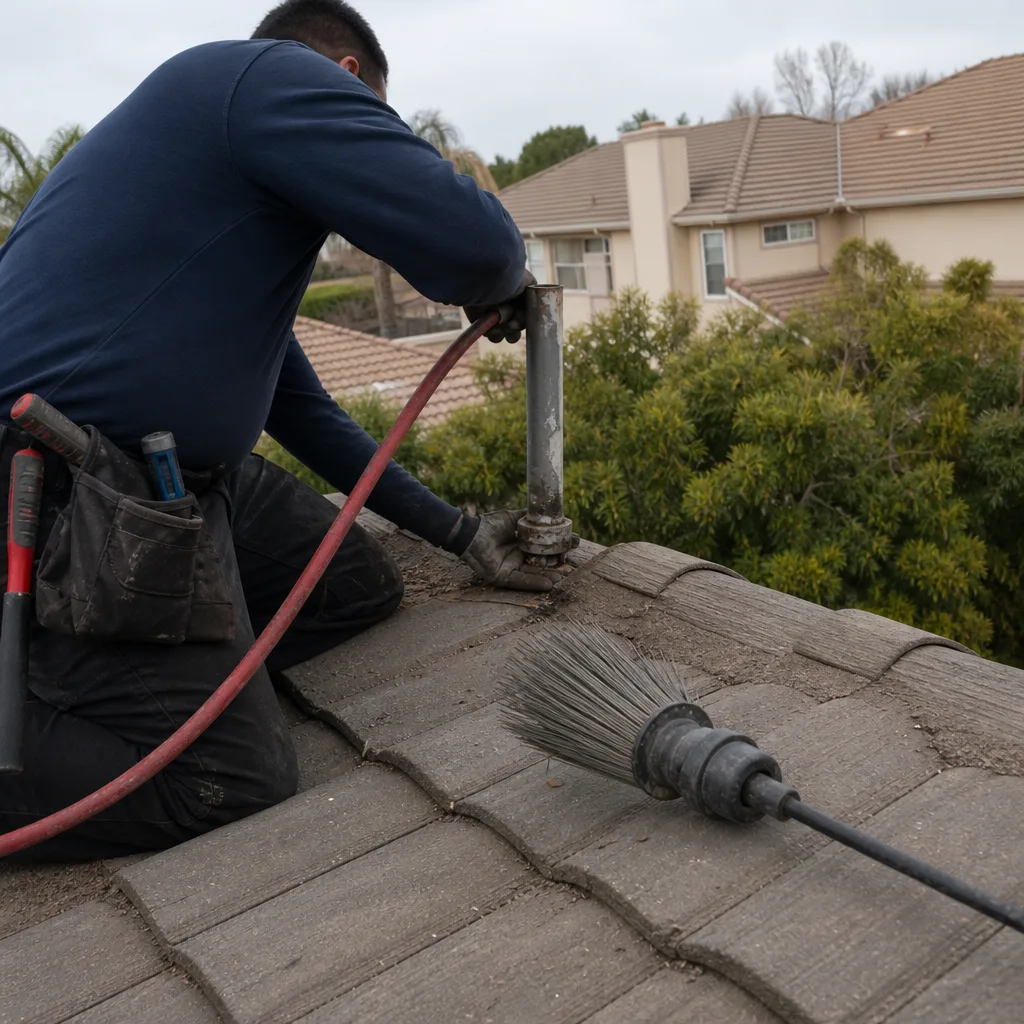 Before
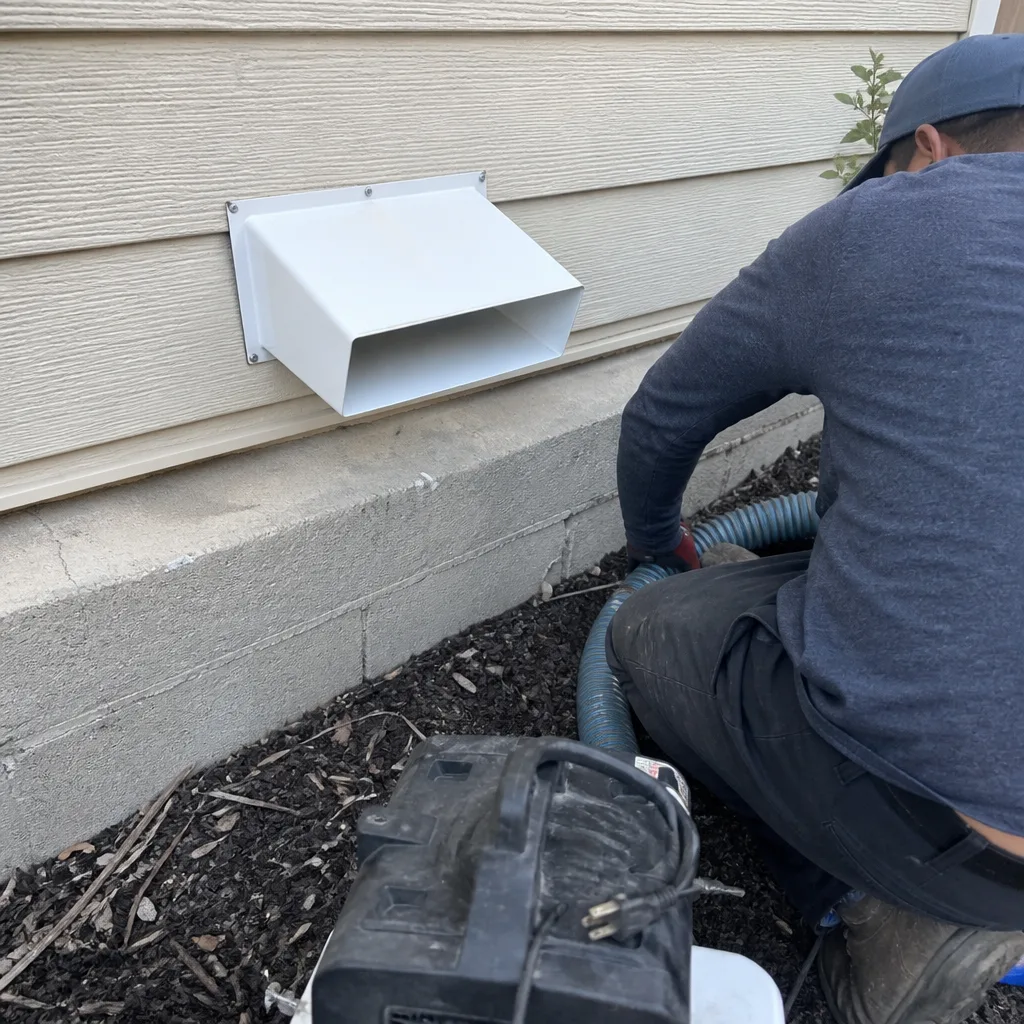 After
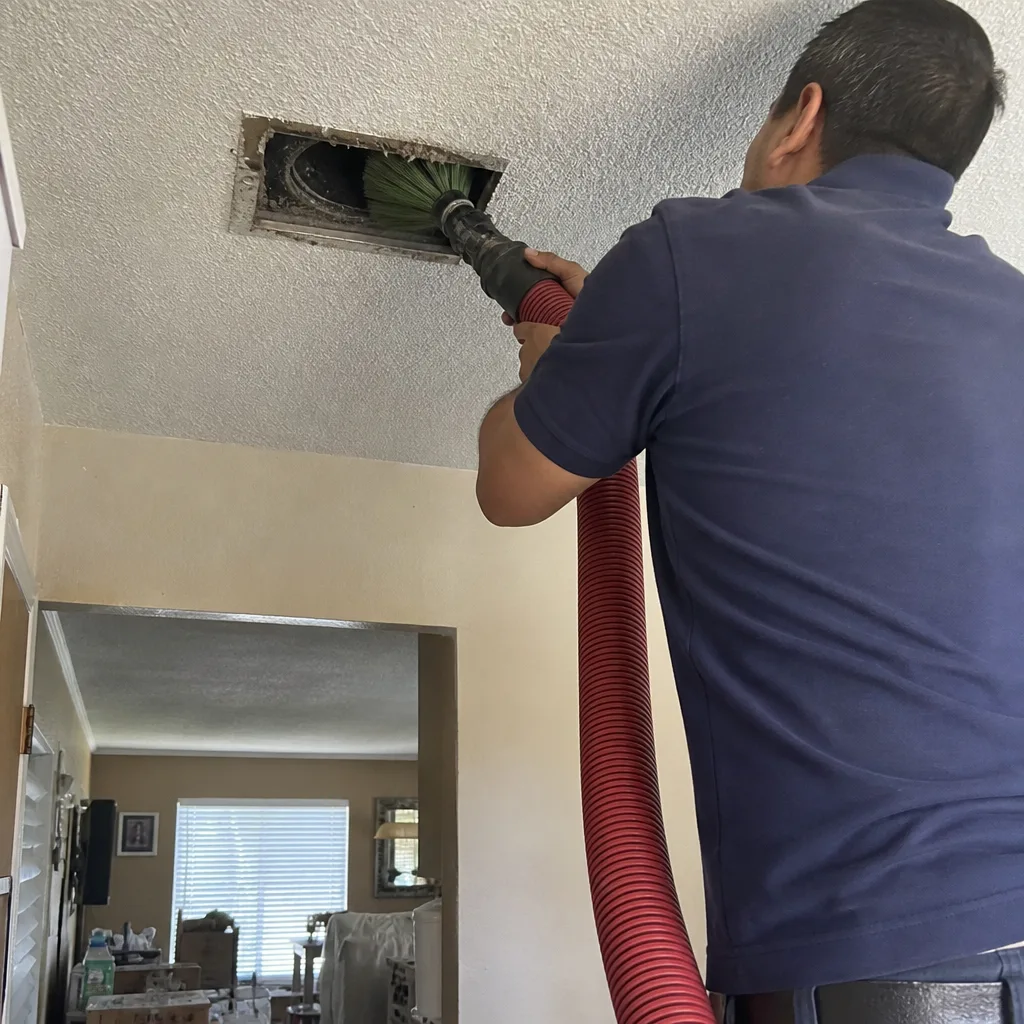 Before
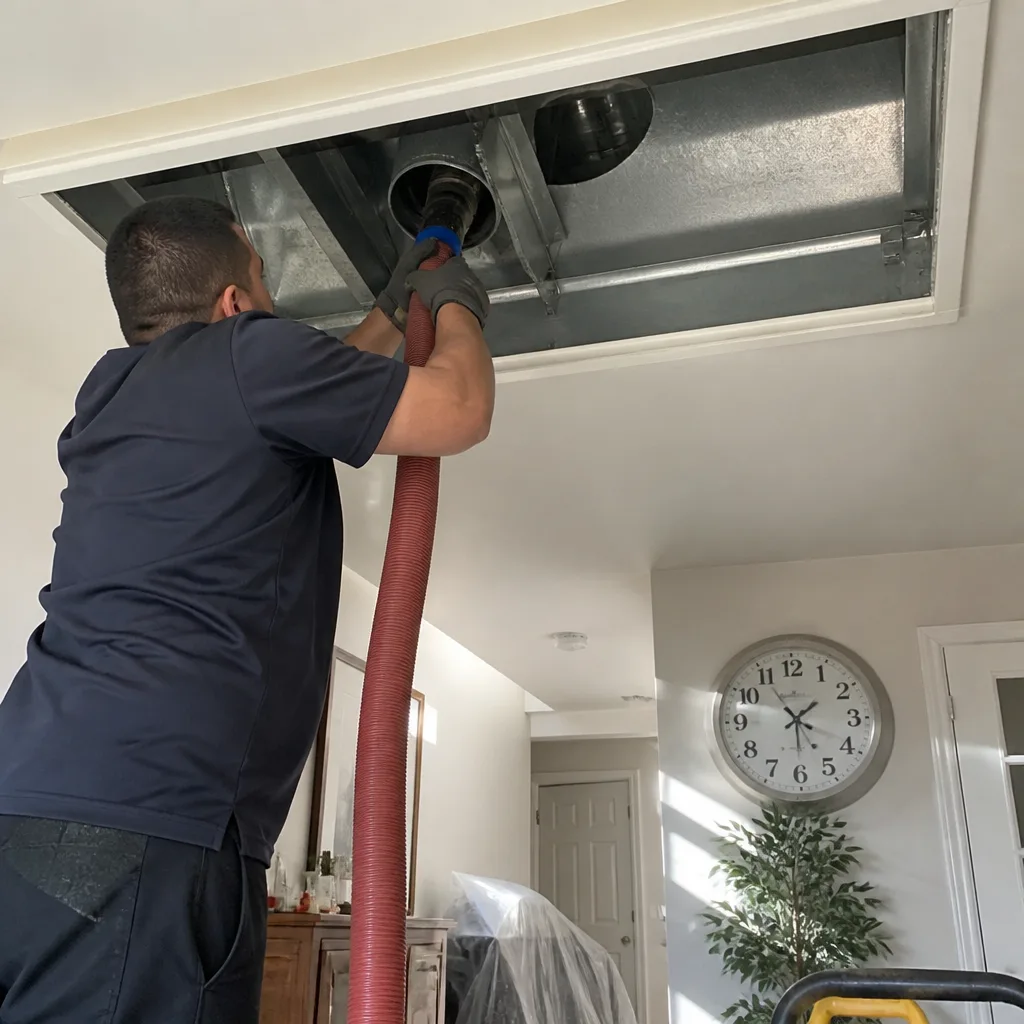 After
 Before
 After
When to Call a Professional
If your duct cleaning inspection has revealed separated joints, collapsed sections, rust-through on the supply trunk, or evidence of rodent damage inside the ducts, you’re now in repair territory. That means permits, possibly HERS testing, and definitely a contractor who holds a C-20 license. The same applies if you’re planning a home sale and suspect your ducts were modified by a previous owner without permits. The time to address it is before listing, not during escrow. If you’re in Clovis and want a straight answer about whether your duct situation requires a permit or simply a thorough cleaning, Duct Cleaning Clovis offers free estimates in Clovis. Call (855) 661-0630 and we’ll assess your system, tell you exactly where you stand, and document everything.
Frequently Asked Questions
No. Air duct cleaning is classified as maintenance under the California Mechanical Code and requires no permit, regardless of the equipment used or how thorough the cleaning is. The permit question only arises when cleaning reveals damage that requires repair, replacement, or system modification.
Any duct repair, replacement, reconnection, or modification requires a mechanical permit from the City of Clovis Building Division if you live within Clovis city limits. The determining factor is whether the work alters the physical structure or airflow characteristics of the duct system. Reconnecting a separated joint, replacing a rusted section, or adding a new supply run all qualify as permit-triggering work.
HERS (Home Energy Rating System) testing measures how much air leaks from your duct system under pressure. California Title 24 requires that new or replaced ductwork leak no more than 6% of total system airflow. When duct replacement triggers this requirement, a state-certified HERS rater verifies compliance, typically after the work is complete but before the building department closes the permit.
Yes, in most cases. Home inspectors in Clovis are trained to spot telltale signs of field duct repairs, such as non-original foil tape patterns, mismatched duct sections, or evidence of recent access hole cutting. Once documented, the buyer’s agent will request the matching permit record. When it doesn’t exist, the seller faces retroactive permitting, price concessions, or post-sale liability exposure under California’s disclosure laws.
A professional duct cleaning report should include before-and-after photographs of the duct interiors, a description of the equipment used (such as Rotobrush brush-contact extraction or Nikro HEPA-filtered vacuum systems), the scope of ducts cleaned, and a clear statement that no system alterations were performed. This documentation serves as your proof that the work was maintenance-only, which matters at resale.
No. Dryer vent cleaning is fire-safety maintenance, not mechanical system construction. No permit applies, but you should still receive photographic documentation that the full vent run was cleaned and confirmed clear. Lint buildup is a leading cause of residential dryer fires in California, and documentation proves the work was actually performed. For complete dryer vent service, see our Dryer Vent Cleaning in Clovis page.
The Bottom Line
California has drawn a sharp legal line between duct cleaning and duct repair, and that line is where permits, inspections, and liability begin. Cleaning is maintenance, exempt from permits and paperwork. Repair is construction, subject to the California Mechanical Code, Title 24 leakage standards, and local permitting through the City of Clovis. The challenge is that these two categories collide constantly in the real world, because cleaning frequently reveals the need for repair. The homeowners who protect themselves are the ones who insist on documentation, demand permits for repair work, and choose contractors who understand the difference. The paperwork may feel tedious in the moment. It’s cheap insurance against a problem that follows the title of your home.
Written by the team at Duct Cleaning Clovis, serving Clovis since 2012.
Ready to find out whether your ducts need cleaning, repair, or both? Call (855) 661-0630 for a free estimate in Clovis.