
Last updated November 2, 2026
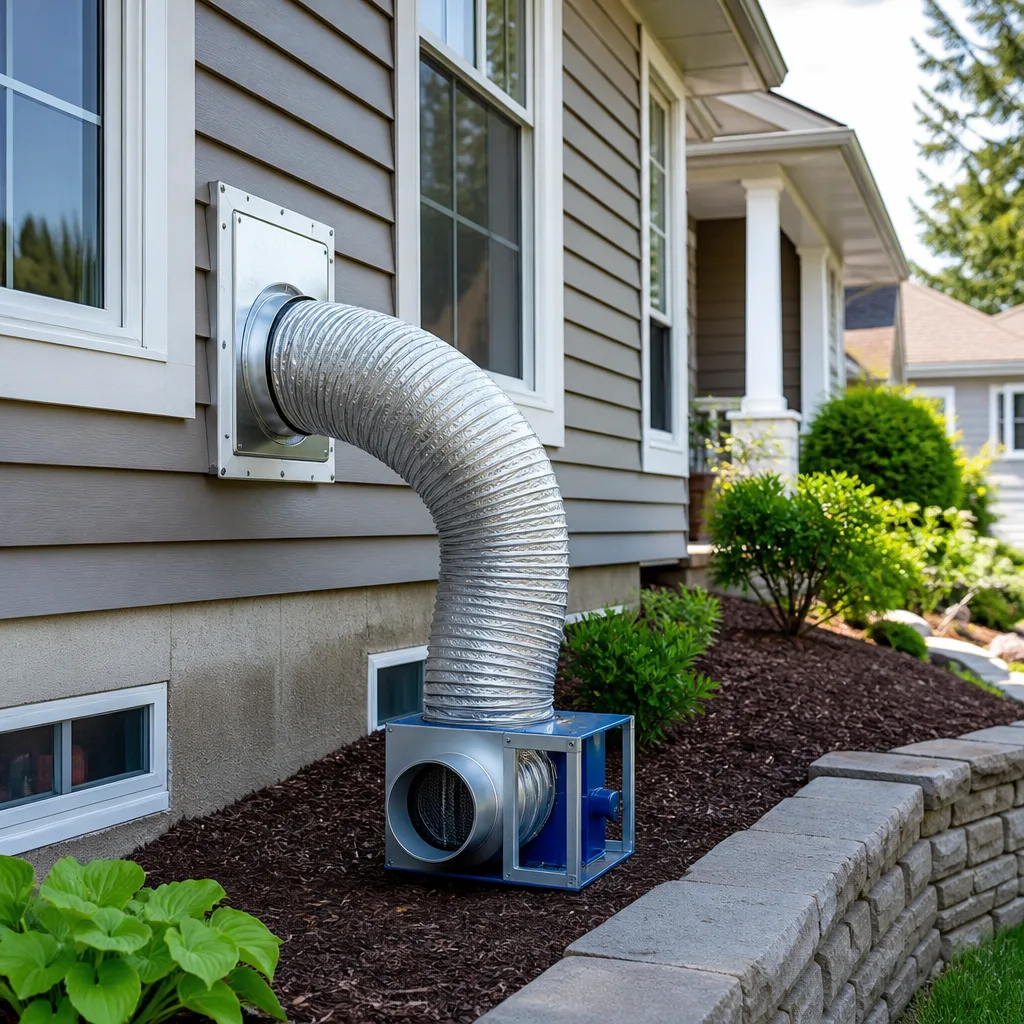 Whole-home duct cleaning
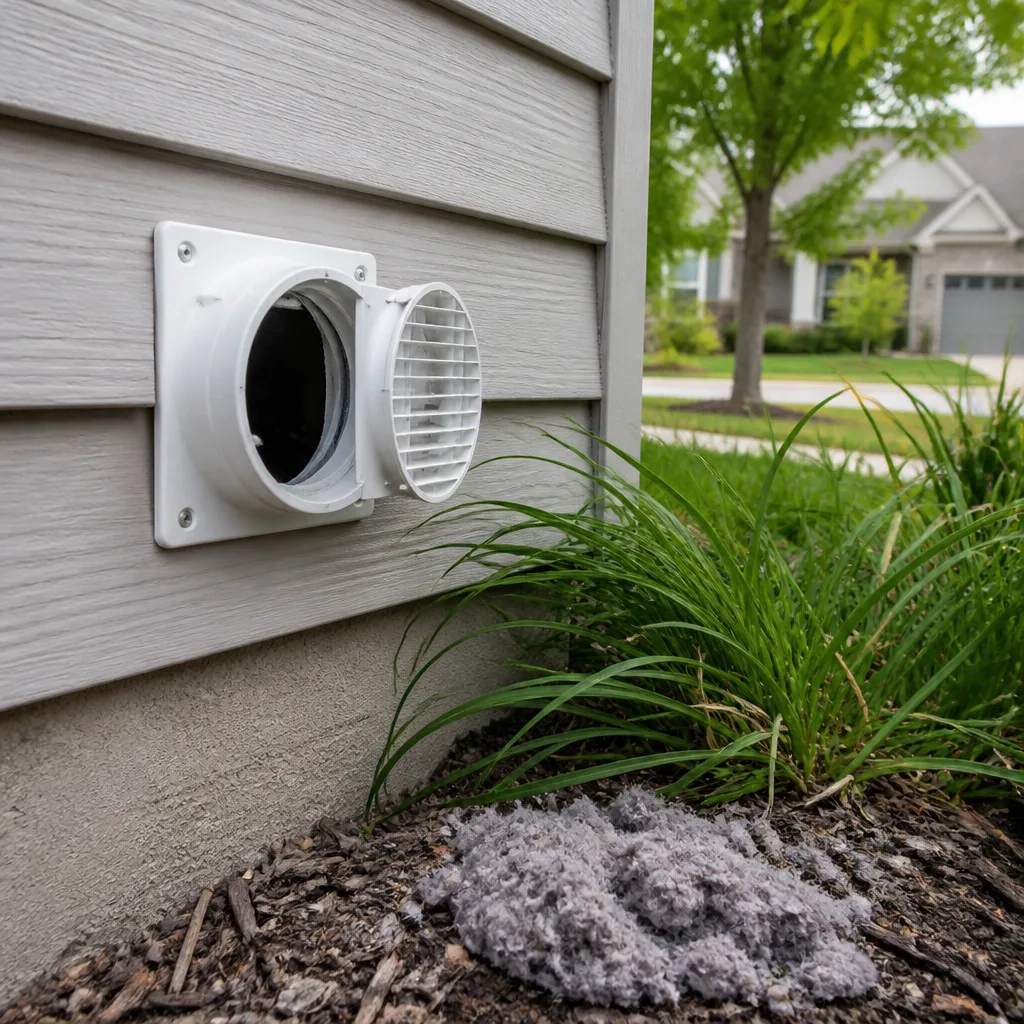 Dryer vent cleaning
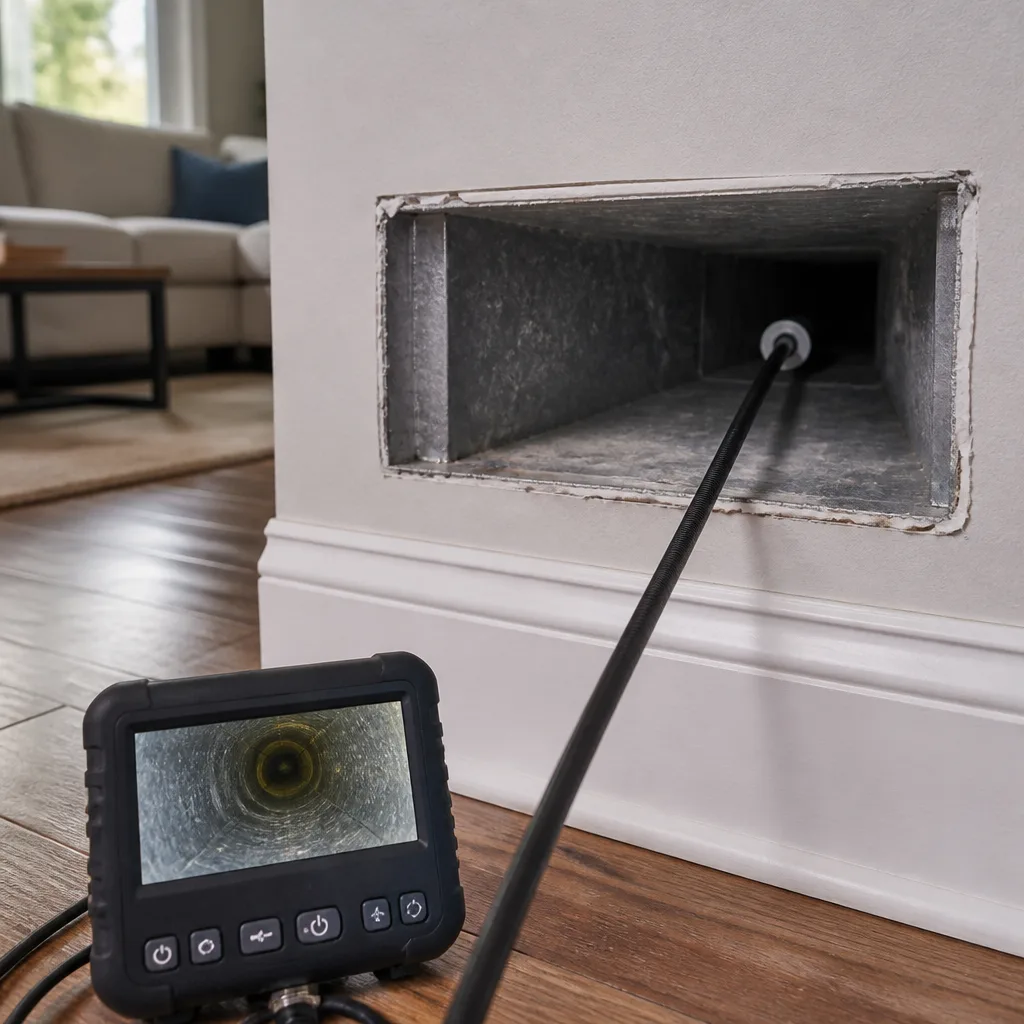 Camera inspection
 Sanitizing & deodorizing
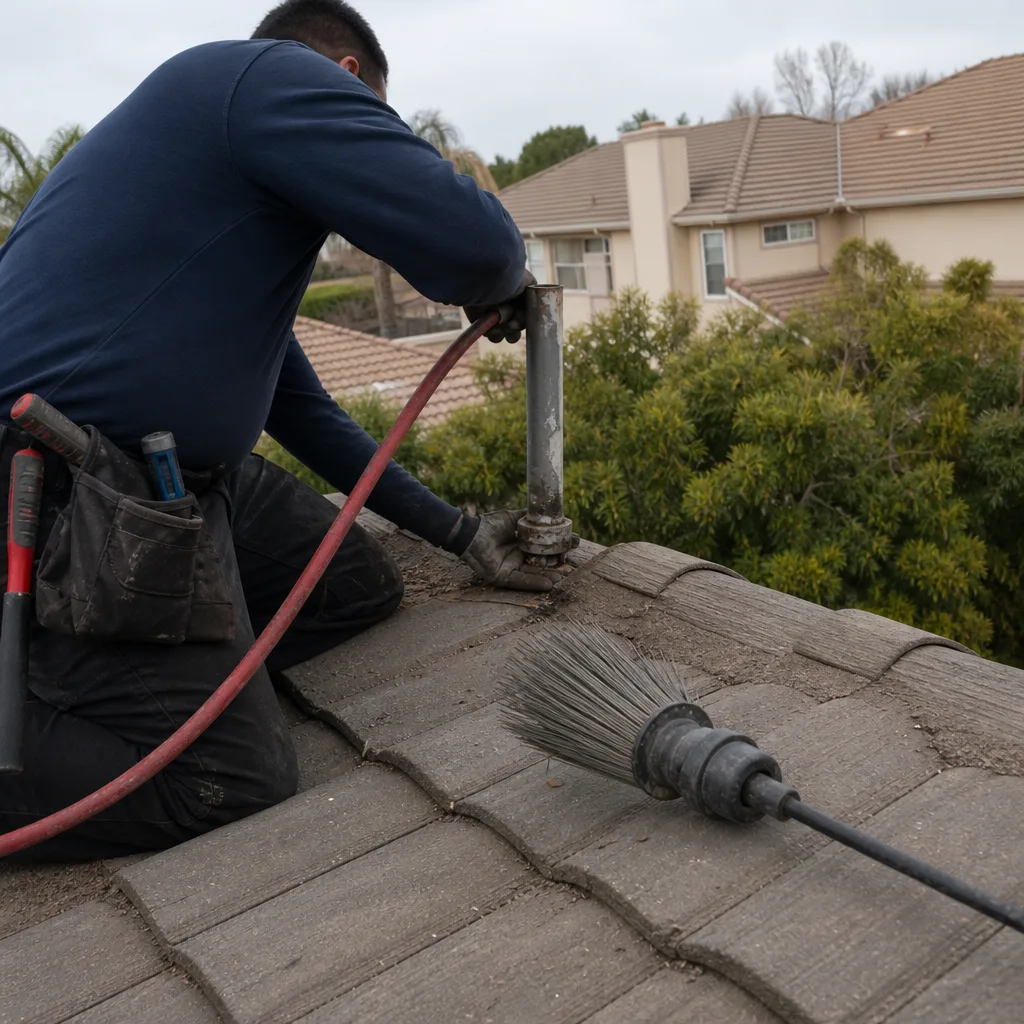
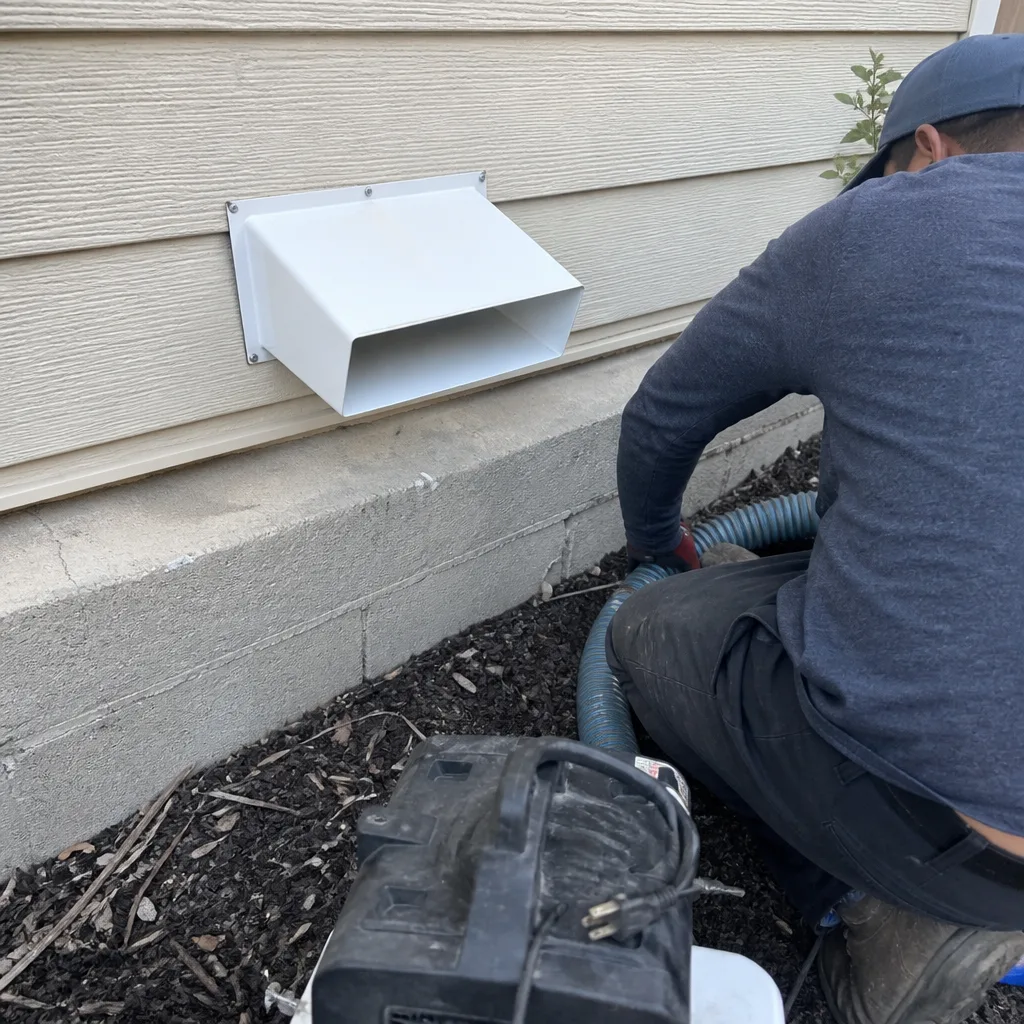
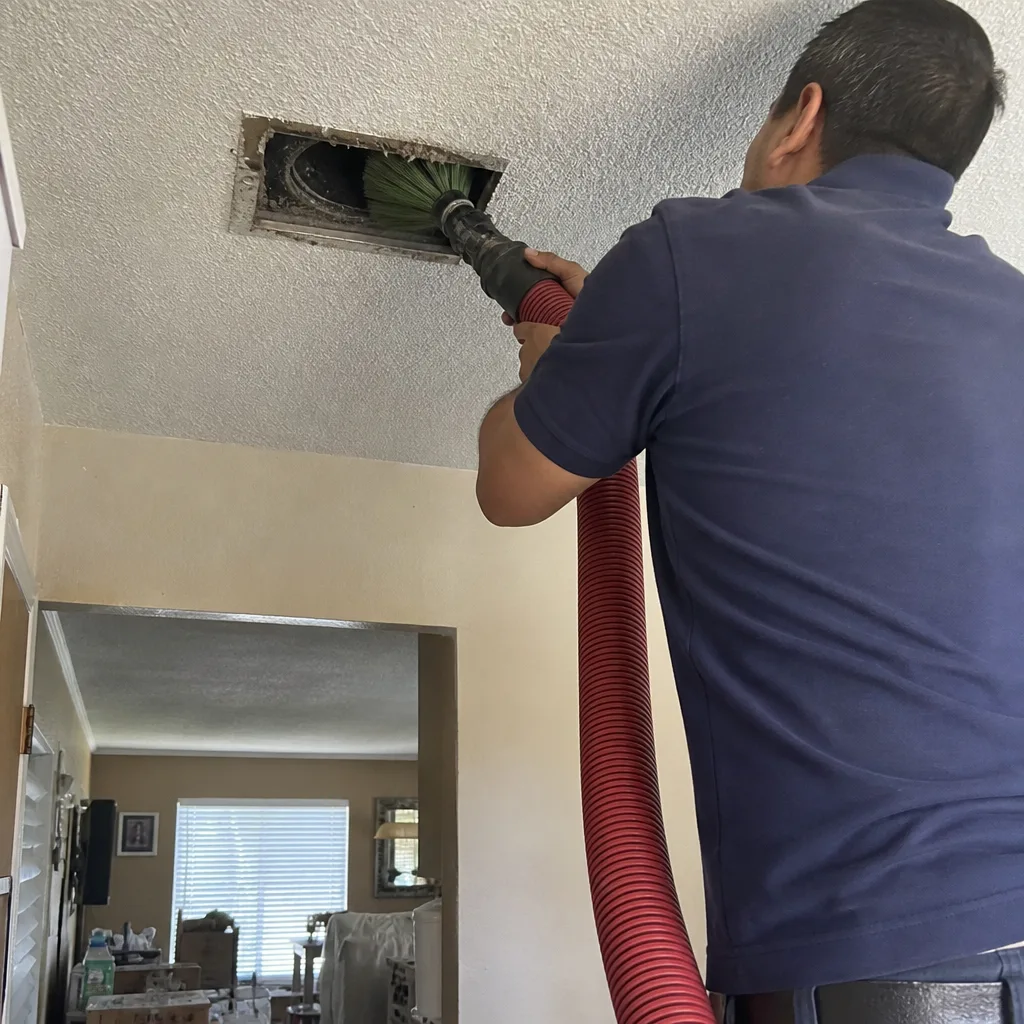
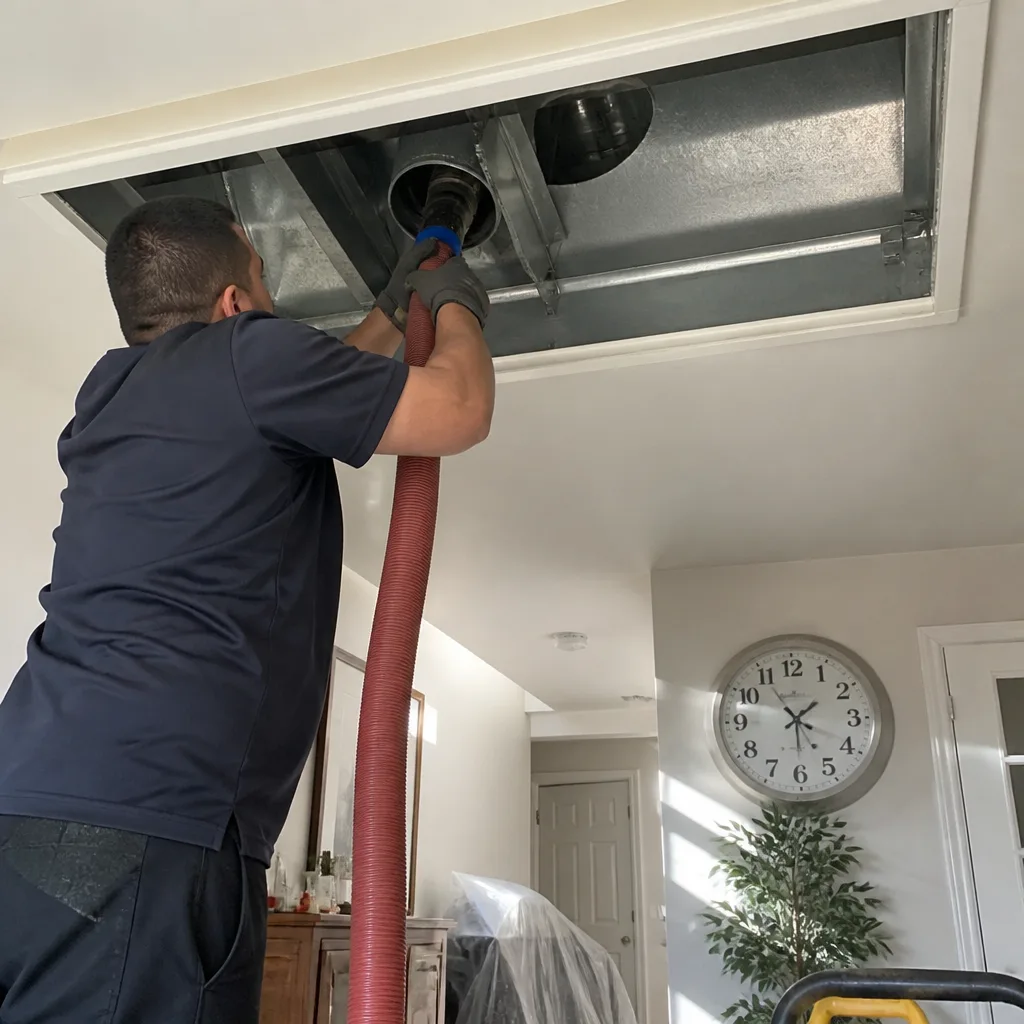
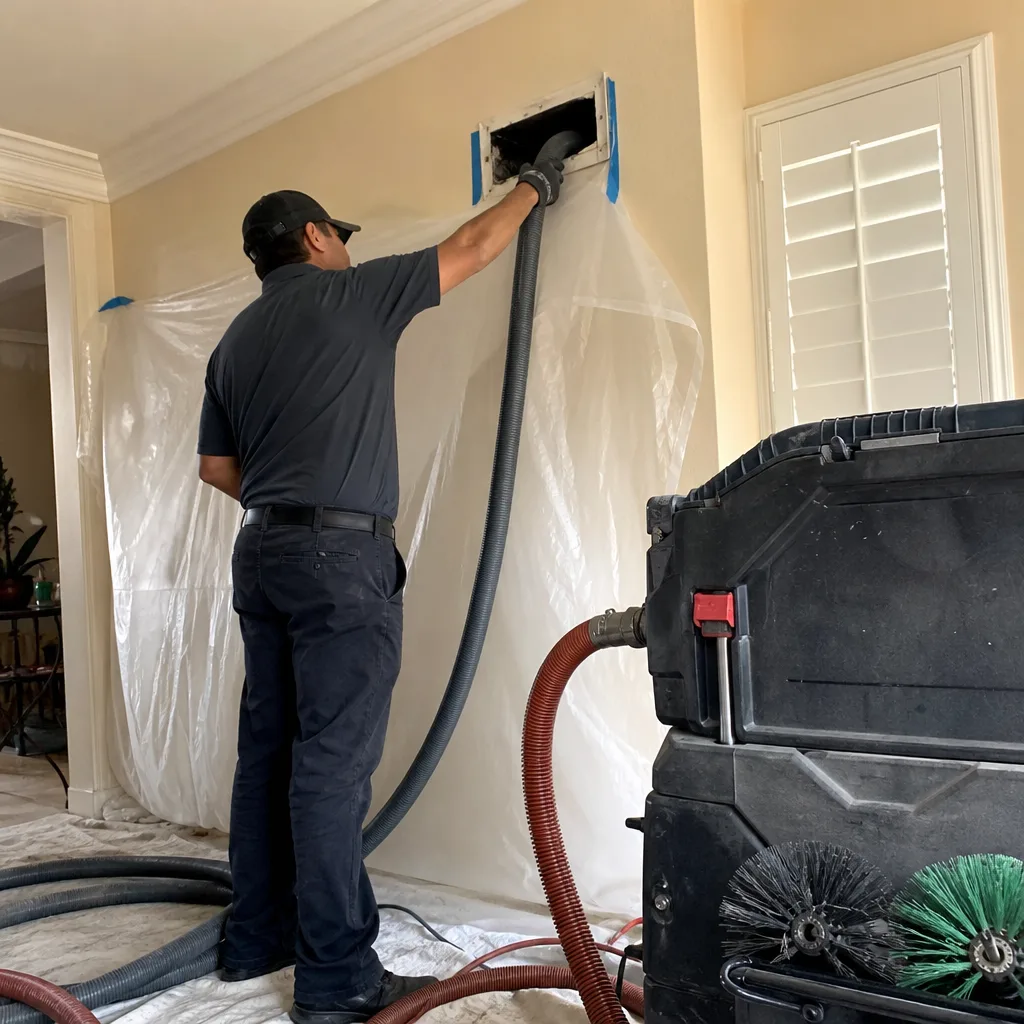
Whole-system duct and dryer vent check with before-and-after photos - you see exactly what came out of your vents
That "$99 whole-house special" is a bait ad - the real number appears once they are in your hallway, or the "clean" is a shop-vac at the register. We photograph the inside of your ducts before and after instead.
Air Duct Cleaning Troubleshooting: Common Problems and How to Fix Them
If your house is still dusty two weeks after a duct cleaning, the technician might not be at fault – your ducts may be pulling unfiltered attic air through gaps a cleaning crew never touched. That’s the uncomfortable truth most homeowners in Clovis never hear: a duct cleaning removes what’s inside the ducts, but it does nothing for what’s entering the ducts after the van leaves. This guide walks through the failure points most companies won’t mention, because they either don’t have the equipment to detect them or don’t offer the Air Duct Cleaning repair work needed to fix them. By the time you finish reading, you’ll know whether your next call should be for a re-clean, a repair, or an HVAC tech – and exactly what questions to ask before spending another dollar.
Styles & brands we work with
- Whole-home duct cleaning
- Dryer vent cleaning
- Camera inspection
- Sanitizing & deodorizing
Quick Answer
Persistent dust, odors, or weak airflow after a duct cleaning almost always traces to one of three root causes: incomplete mechanical agitation during the cleaning, unaddressed duct leakage pulling unfiltered air into the system, or a filtration problem at the air handler that no duct cleaning can resolve. The fix depends entirely on which failure mode you have. Dust returning within days points to duct leaks or a failing filter rack; musty odors point to moisture, not debris; uneven room temperatures point to airflow design or damper issues, not cleanliness.
Table of Contents
- Failure Mode 1: Incomplete Mechanical Agitation
- Failure Mode 2: Unaddressed Duct Leakage
- Failure Mode 3: Filtration Failure at the Air Handler
- Symptom-to-Diagnosis Matrix: What Each Complaint Actually Points To
- How to Self-Test for Duct Leakage Before Calling Anyone Back
- Why Persistent Musty Odors After Cleaning Point to Moisture, Not Debris
- Rotobrush Re-Run, Nikro Extraction Boost, or Duct Repair: Questions to Ask Any Contractor
- What Clovis Homeowners Should Know About Local Duct Conditions
- Common Mistakes to Avoid
- When to Call a Professional
- Frequently Asked Questions
- The Bottom Line
Failure Mode 1: Incomplete Mechanical Agitation
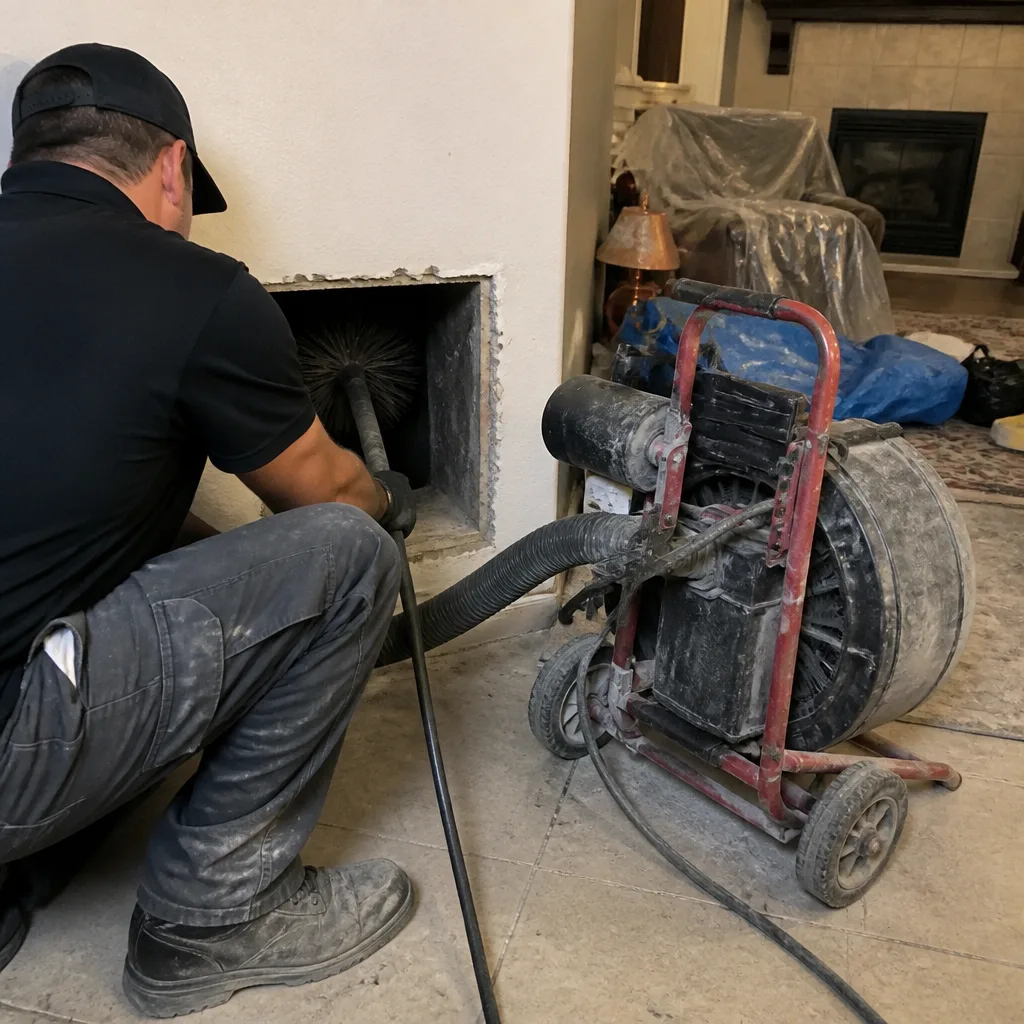
The first and most common reason a duct cleaning “doesn’t work” is that the debris was never actually dislodged from the duct walls. A vacuum alone cannot remove the film of dust, pet dander, and construction debris that adheres to duct surfaces over years. It requires mechanical agitation – bristles, brushes, or compressed air physically scrubbing the interior walls while negative pressure pulls the loosened material out. When a crew runs a basic truck-mount vacuum without agitation, or uses a consumer-grade shop vac, the visible dust is removed but the bonded layer stays. In Clovis, where summer attic temperatures bake duct interiors and harden debris, this adhesion is worse than in coastal climates. The fix is a re-cleaning with true brush-contact extraction. The Duct Cleaning Clovis home approach uses Rotobrush systems specifically because the rotating bristles break that baked-on layer free before the Nikro HEPA-filtered vacuum extracts it. If your last cleaning involved a large hose and little else, the debris is probably still there.
How to Confirm This Failure Mode
- Remove a register cover and run a white cloth along the inside of the duct boot. Gray or brown residue means a bonded layer remains.
- Check the register vanes themselves. If they carry a sticky, greasy film, agitation was insufficient.
- Ask the previous company what agitation method they used. If they can’t name it, there wasn’t one.
Homes in Clovis neighborhoods like Harlan Ranch or Quail Lake that were built during the 2000s construction boom often have drywall dust permanently fused into duct interiors from the build phase. That material does not vacuum out. It has to be scrubbed out.
Failure Mode 2: Unaddressed Duct Leakage
Here’s the failure mode that makes people angry: the ducts were cleaned properly, but dust returned within days because the ducts are leaking. In a typical Clovis home, 20 to 30 percent of conditioned air can escape through gaps at duct joints, register boots, and plenum connections. That escaping air creates negative pressure inside the duct system, which pulls unfiltered attic air – dust, insulation fibers, rodent droppings – right back into the ducts through those same gaps. The homeowner sees dust settling on furniture and assumes the cleaning failed. The cleaning didn’t fail. The duct system failed, and no amount of re-cleaning will stop the dust until the leaks are sealed. This is why full-scope Air Duct Repair in Clovis matters. A cleaning company that doesn’t offer repair can only re-clean and hope. A company that repairs can actually stop the infiltration at the source.
Signs of Duct Leakage
- Dust reappears on surfaces within three to seven days after a thorough cleaning
- Rooms farthest from the air handler stay warm in summer or cold in winter
- Utility bills stay high even after cleaning, because conditioned air keeps escaping
- You can feel air moving near duct joints in the attic when the system runs
If any of these match, the next step is a leakage inspection, not another cleaning. A contractor with repair capability can test junctions with a smoke pencil or pressure gauge and seal the actual gaps with mastic or foil tape – not duct tape, which fails in Clovis attics within two summers.
Failure Mode 3: Filtration Failure at the Air Handler
The third failure mode has nothing to do with the ducts themselves. If your air handler’s filter rack is loose, the wrong filter size is installed, or the filter is being bypassed entirely, unfiltered air enters the system after the filter and gets distributed through the ducts. This produces dust on surfaces even when the ducts are spotless. It also explains why a homeowner might have two cleanings in a year and still see dust. The ducts aren’t the source – they’re the delivery system for a filtration problem upstream. In Clovis, where evaporative coolers historically outnumbered central AC in older homes, retrofit systems often have poorly sealed filter racks or mismatched filter sizes. A technician who only looks at ducts will never find this. A technician who understands the whole system will check filter fit, rack sealing, and whether the blower compartment is pulling air around the filter rather than through it. If you have a Honeywell or Aprilaire whole-home filtration system installed, that system needs to be inspected as part of the troubleshooting – a clogged or bypassed media cabinet will send particulate straight into your supply ducts regardless of how clean those ducts are.
Questions to Ask About Filtration
- Is the filter the exact dimensions of the rack, or is there visible gap around the edges?
- Does the filter rack door seal tightly, or can you feel air pulling around it when the blower runs?
- If a whole-home filtration system is installed, when was the media last replaced?
- Is the blower compartment pulling air from an unconditioned space, like a garage or attic?
These are the questions that separate a duct specialist from a vacuum operator. The ducts are only one part of the air distribution path, and troubleshooting has to account for the entire path.
Symptom-to-Diagnosis Matrix: What Each Complaint Actually Points To
Most homeowners describe symptoms, not causes. Here’s a matrix that maps the complaint you’re experiencing to the actual system failure it indicates, so you can approach any contractor with a diagnosis rather than a vague request for “another cleaning.”
| Symptom | Most Likely Cause | Fix |
|---|---|---|
| Dust returns within days of cleaning | Duct leakage pulling attic air into the system | Leak inspection and sealing at joints and boots |
| Dust never reduced at all after cleaning | Incomplete agitation – bonded debris still on duct walls | Re-clean with brush-contact extraction (Rotobrush) |
| Musty odor persists after cleaning | Moisture intrusion, clogged drain pan, or microbial growth in duct lining | Moisture source inspection, drain pan service, possible duct liner replacement |
| Some rooms never get adequate airflow | Damper misconfiguration, duct crush, or duct design flaw | Airflow test, damper adjustment, duct repair |
| Energy bill unchanged after cleaning | Leaking supply ducts or insulation failure on the plenum | Leak sealing, plenum inspection |
| Visible debris at one or two registers only | Localized duct damage or disconnected boot at that run | Targeted repair of that specific run |
| Burning smell when heat runs | Debris on heat exchanger or in supply plenum | Immediate inspection; do not run heat until cleared |
| Whistling or high-pitched noise at registers | Oversized system, closed dampers, or undersized return | Airflow assessment and damper adjustment |
This matrix exists because the worst outcome is paying for a second cleaning that doesn’t address the actual problem. In our experience, roughly a third of the “failed cleaning” calls we receive in Clovis turn out to be leakage or filtration issues that a cleaning alone could never solve.
How to Self-Test for Duct Leakage Before Calling Anyone Back
Before you spend money on any follow-up service, run a simple smoke test at your register joints. This is a diagnostic step any homeowner can perform, and it will tell you whether leakage is contributing to your dust problem within about ten minutes.
- Turn the HVAC fan to “On” at the thermostat, so the blower runs continuously. Do not use “Auto” – you need constant airflow.
- Close all windows and exterior doors.
- Light a smoke pencil or incense stick and hold it near the joint where each register boot meets the wall or ceiling.
- Watch the smoke. If it wavers, gets pulled toward the joint, or disappears into the gap, that joint is leaking air from the wall cavity or attic into your living space.
- Repeat this at every register in the house, including return grilles.
- Note which locations show leakage. If three or more registers show smoke pull, duct leakage is a likely contributor to your dust problem.
This test doesn’t quantify the leak severity, but it confirms the presence of infiltration at the register plane – which is the most common leak point in Clovis homes, where register boots are frequently sealed with nothing more than a friction fit into the drywall cutout. If you confirm leakage, your next call should be to a company that offers duct repair, not just duct cleaning. Sealing those boot junctions with mastic and proper mechanical fastening stops the attic air from entering the conditioned space at the register face.
Why Persistent Musty Odors After Cleaning Point to Moisture, Not Debris
Here’s a hard truth many Clovis homeowners don’t want to hear: if your ducts still smell musty after a thorough cleaning, the cleaning was never going to fix the smell. Musty odors are a moisture signature, and brushing or vacuuming does not remove moisture – it only removes the organic material that moisture feeds on. The source is typically one of three things: a condensate drain pan that isn’t draining properly, a duct run in the attic that has been crushed or disconnected and is now collecting humid air, or a section of flex duct with a pinhole tear that’s pulling in humid attic air or, worse, has condensation forming inside the insulation layer. In the Clovis climate, where summer attic temperatures routinely exceed 130 degrees and the temperature differential between cooled supply air and attic air is extreme, condensation inside poorly insulated duct runs is a known problem in older homes.
How a Technician Should Confirm the Moisture Source
- Inspect the evaporator coil and drain pan for standing water or biological growth
- Use a borescope or access camera to inspect duct interiors for water staining, rust, or visible growth
- Check the duct insulation for dampness – wet insulation must be replaced, not dried
- Test supply air for elevated humidity compared to return air
- Trace the duct runs in the attic for sagging sections where condensation may pool
Any contractor who responds to a persistent musty odor by simply offering another cleaning is not diagnosing – they’re guessing at your expense. A proper odor investigation identifies the moisture source first. Then the fix is either a drain pan repair, duct replacement for the damaged section, or insulation remediation. Cleaning is the final step, not the first one.
Rotobrush Re-Run, Nikro Extraction Boost, or Duct Repair: Questions to Ask Any Contractor
If you’ve made it this far and you’re convinced a follow-up visit is necessary, check our Choosing the Right Air Duct Cleaning Brand: A Buyer’s Guide for Clovis to figure out what kind of follow-up. This is where most homeowners get fleeced, because they authorize “whatever it takes” without understanding what they’re paying for. Here are the questions to ask before authorizing more work – and what the answers should sound like.
If Dust Returned Quickly (Leakage Suspected)
- “Do you test for duct leakage, or do you only clean?” – If they only clean, hang up. A re-clean will not stop leakage-driven dust.
- “What sealing materials do you use?” – The answer should be mastic or foil tape rated for duct use. If they say duct tape, hang up.
- “Will you show me the gaps you sealed?” – A real repair job includes before-and-after documentation. If they won’t show you, they didn’t seal anything.
If Dust Never Reduced (Incomplete Agitation Suspected)
- “What agitation method do you use?” – The answer should be a named brush-contact system, like Rotobrush. “We use a really strong vacuum” is not agitation.
- “Is your vacuum HEPA-filtered?” – The answer should be yes, with a named system like Nikro. If the vacuum isn’t HEPA-filtered, fine particulate is being blown out the exhaust, not captured.
- “Do you do a before-and-after camera inspection of the duct interior?” – If they can’t show you the duct walls after cleaning, you’re taking their word on faith.
If the Problem Is Odor or Airflow
- “Do you inspect the drain pan and coil as part of the diagnostic?” – Odor work that skips the drain pan is incomplete.
- “Can you repair a crushed or disconnected duct run while you’re here?” – If they only clean, you’ll need a second contractor for the repair. Full-scope companies like the Air Duct Cleaning in Clovis service model can address both in one visit, because there’s an on-staff repair capability that cleaning-only crews lack.
The right contractor answers these questions directly and without defensiveness. The wrong contractor changes the subject to pricing or timelines. In Clovis, where the market includes everything from $49 whole-house specials to legitimate remediation-grade companies, the questions are the only reliable filter.
What Clovis Homeowners Should Know About Local Duct Conditions
Every region has duct problems specific to its climate and housing stock, and Clovis is no exception. If you own a home here, your ducts face conditions that a generic national guide will never mention. Here’s what matters locally.
First, the attic heat. Clovis summers push attic temperatures past 130 degrees regularly, and that heat bakes debris onto duct interiors. What would be a loose film of dust in a cooler climate becomes a hardened, adhered layer here. That’s why mechanical agitation with a brush-contact system matters more in Clovis than it would in, say, a coastal city where humidity keeps debris softer. A vacuum-only cleaning in this market leaves more behind than the same cleaning would elsewhere.
Second, the housing stock. Much of Clovis was built in two waves: the 1970s-to-1980s expansion and the 2000s boom. The newer homes often have energy-code-driven insulation requirements but rushed duct installations. The older homes frequently have original duct runs that were never sealed properly in the first place. Both create leakage patterns, just for different reasons. Homes in established neighborhoods like Tarpey Village or the Clovis High area often have metal duct with deteriorated tape at the joints. Homes in newer developments frequently have flex duct that’s been compressed or kinked during installation.
Third, the dust load. Clovis sits in the San Joaquin Valley, where agricultural dust, pollen, and particulate matter are a year-round reality. Your ducts are filtering this air – or rather, your HVAC filter is, and the ducts are carrying whatever gets through. Homes near agricultural edges or along major corridors like Shaw or Herndon see higher dust loads than homes in the interior. This doesn’t change the troubleshooting framework, but it does mean that a homeowner in Clovis is more likely to notice dust recurrence quickly simply because there’s more ambient dust available to enter through any leak.
Fourth, the evaporative cooler legacy. Many older Clovis homes had swamp coolers before central AC was retrofitted in. Those retrofits often left behind duct configurations that were never redesigned for refrigerated air – undersized returns, mismatched plenums, and filter racks that were an afterthought. If your home was built before 1990 and has had central AC added, your duct system may have been originally sized for evaporative cooling, which moves more air at lower static pressure. Running refrigerated air through those same ducts creates a different set of problems, including higher leakage rates under positive pressure.
Common Mistakes to Avoid
- Booking another cleaning without diagnosing the failure mode. If the first cleaning didn’t work, the second one probably won’t either unless you know why the first one failed. Symptoms first, service second.
- Assuming the cleaning company was bad when the real problem is leakage. A good cleaning on a leaking duct system still results in dust within days. The cleaning wasn’t the failure – the ducts were.
- Ignoring the filter rack. A $15 filter in a loose rack bypasses unfiltered air around the filter entirely. The ducts get blamed, but the rack is the problem.
- Using duct tape to seal duct joints yourself. Duct tape fails in Clovis attics within two summer seasons. Mastic or UL-listed foil tape is the correct material, and doing it wrong creates a false sense of repair.
- Getting a second opinion from the same company. If a company missed the diagnosis the first time, calling them back for a free re-clean doesn’t change the diagnostic skill that failed you. A fresh set of eyes – ideally from a company with repair capability – is more likely to identify the actual cause.
- Treating musty odor as a cleaning problem. Odor is moisture. Cleaning removes debris but not moisture. Any contractor who doesn’t investigate the moisture source is not solving the problem.
- Skipping the dryer vent because “the ducts are the priority.” A clogged dryer vent can continue accumulating lint even while you troubleshoot your HVAC ducts. Dryer Vent Cleaning in Clovis should be part of the same home assessment, because lint buildup is a fire risk that operates independently of your HVAC duct cleanliness.
When to Call a Professional
Some troubleshooting steps are safe to do yourself – the smoke pencil test at registers, checking filter fit, observing which rooms get weak airflow. But certain situations require professional equipment and access that most homeowners don’t have. If you confirm leakage at multiple register joints, if musty odor persists after a drainage check, if you see visible moisture or staining inside a duct, or if airflow to certain rooms has dropped noticeably, stop guessing and get a diagnostic visit. A proper inspection should include camera access into the ducts, a leakage assessment at joints and boots, and a filter/coil check – not just a quote for re-cleaning. Duct Cleaning Clovis offers free estimates in Clovis – call (855) 661-0630.
Frequently Asked Questions
If dust returns within days of a cleaning, see our Air Duct Cleaning Warning Signs: A Clovis Homeowner’s Reference Guide – the most likely cause is duct leakage pulling unfiltered attic air into your system through gaps at register boots or duct joints. The second most likely cause is a filter bypass at the air handler. A re-cleaning won’t fix either of these – you need leak sealing or a filter rack repair. If the dust never reduced at all, the original cleaning likely failed to mechanically agitate the duct walls, leaving bonded debris behind.
A smoke test at register joints is the simplest confirmation: turn the fan to “On,” close windows and doors, and hold a smoke pencil or incense near each register joint. If smoke pulls toward the joint, air is being drawn in from the wall cavity or attic. Other signs include dust returning quickly after cleaning, uneven room temperatures, and energy bills that don’t improve even after duct service.
Yes, and when they do, the cause is almost always moisture rather than debris. A cleaning removes organic material but not the moisture source. Common culprits include a clogged condensate drain pan, a disconnected duct run pulling humid attic air, or condensation forming inside damaged duct insulation. Proper diagnosis requires an inspection of the drain pan and duct interiors, not another cleaning pass.
Duct sealing costs in the Clovis market typically range from $300 to $900 depending on the number of joints and boots requiring work, the accessibility of the duct runs in the attic, and whether any duct sections need replacement rather than sealing. A proper quote requires visual inspection of the actual leak locations. Call (855) 661-0630 for a free estimate based on your specific system.
In the Clovis climate, with San Joaquin Valley dust loads and summers that bake debris onto duct walls, a thorough cleaning every three to five years is reasonable for most homes. Homes with pets, residents with respiratory conditions, or recent remodeling work may benefit from shorter intervals. However, if you’re cleaning more often than every three years and still seeing dust, the problem is almost certainly leakage or filtration, not cleaning frequency.
For more guides & resources, look for a company that names its equipment – brush-contact agitation systems like Rotobrush and HEPA-filtered vacuums like Nikro are the standard for remediation-grade work. Ask whether they offer duct repair alongside cleaning, because a cleaning-only company cannot fix the leaks that cause most “failed cleaning” complaints. Ask whether they document the job with camera inspections before and after. If the answer to any of these is vague, keep looking.
The Bottom Line
A duct cleaning that “didn’t work” is almost never a mystery. It’s one of three things: the debris was never properly agitated off the duct walls, the ducts are leaking and pulling unfiltered air back in, or the filtration at the air handler is compromised and the ducts are just delivering dirty air. The homeowner’s job is to figure out which one applies before paying for another service. Use the smoke test to check for leakage. Check your filter rack for gaps. If the original cleaning didn’t use mechanical agitation, that’s your answer. And if the problem is leakage or repair, hire a company that can actually fix it – not one that can only clean around it. In Clovis, with our attic heat, valley dust, and aging housing stock, the duct system takes more abuse than most. Troubleshooting it properly means treating it as a system, not a tube.
Written by the team at Duct Cleaning Clovis, serving Clovis since 2012.
See the difference
 Before
 After
 Before
 After
 Before
 After